Uganda Hotel Owners Association chairperson Jean Byamugisha has called for financial institutions to offer flexible loan repayment arrangements to hospitality businesses seeking to invest in renewable energy. Byamugisha warned that rigid repayment schedules could discourage hotels from embracing green technologies. She emphasized that access to affordable green financing is critical to the success of Uganda's National Green Hospitality Initiative.
Byamugisha explained that hotels generally record stronger revenues during peak tourism seasons, enabling them to meet loan obligations, while off-peak periods often come with reduced occupancy and financial pressure. She urged lenders to consider allowing hospitality businesses more time to repay their loans during quieter months instead of imposing fixed repayment schedules that may not reflect their actual cash flows.
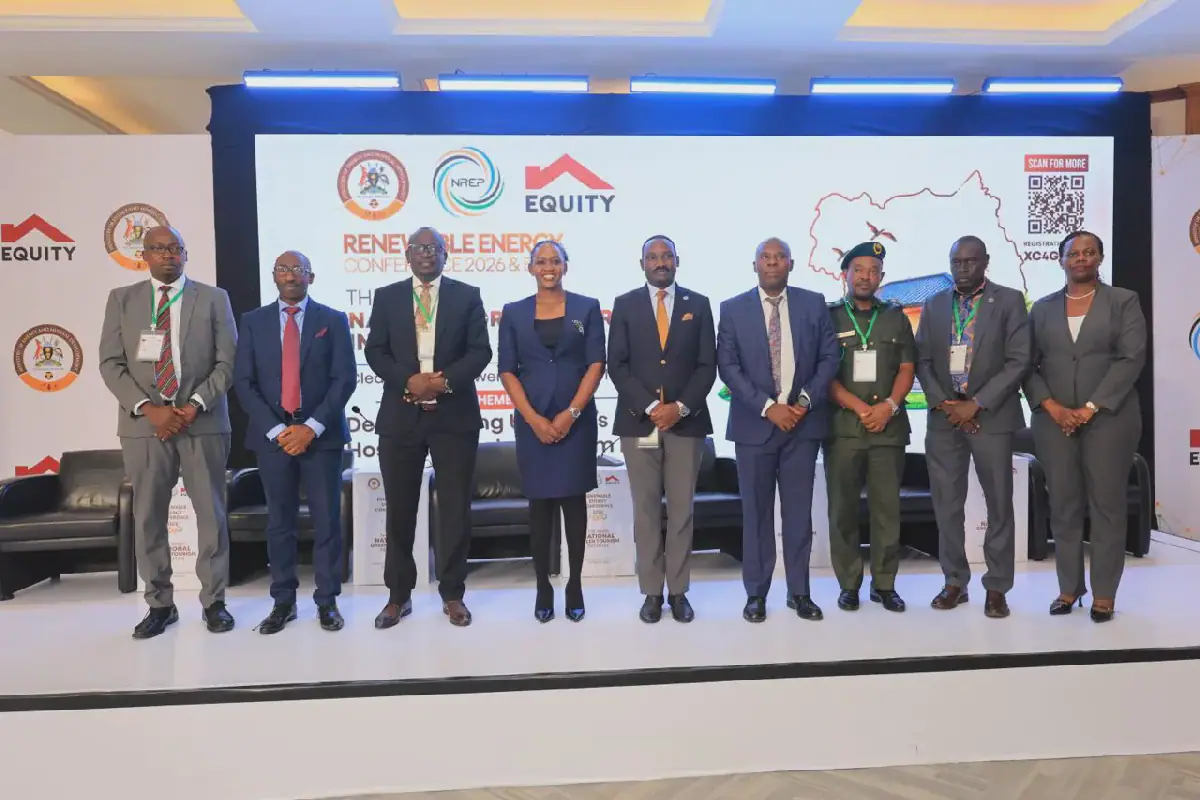
The National Green Hospitality Initiative was launched on October 20, 2026, at Serena Hotel Kampala, co-hosted by the Ministry of Energy and Mineral Development and Equity Bank Uganda. The initiative aims to help hotels, lodges, resorts, and conference facilities reduce energy costs and improve operational efficiency through renewable energy investments. Minister of State for Energy and Mineral Development Phiona Nyamutoro attended the launch.
Equity Bank Uganda's Director of Public Sector and Social Investments, Catherine Psomgen, said financial institutions must move beyond promoting sustainability and focus on converting viable green-energy opportunities into bankable investments. Psomgen noted that hospitality businesses depend heavily on energy for lighting, cooking, water heating, cooling, laundry, and transport, making investments in clean-energy technologies an opportunity to improve profitability and business resilience.
Psomgen said Equity Bank was positioning itself to support the transition through green loans, equipment financing, leasing, blended finance, and other financing arrangements. These financing options are expected to support the adoption of solar photovoltaic systems, battery storage, efficient cooling systems, and clean-cooking technologies. The bank will also help hospitality operators assess their cash flows, develop bankable projects, and explore suitable financing options for energy upgrades.
The initiative proposes establishing a specialized financing window combining green loans, concessional credit, and Energy Service Company pay-as-you-save models to make investments more accessible to hospitality businesses. The success of the program will be measured through investments mobilized, technologies deployed, jobs created, and improvements in business performance. Four to five hospitality facilities will be identified for detailed energy assessments and potential retrofits.
The success of the initiative depends on the availability of financing and whether banks develop repayment arrangements that accommodate the industry's fluctuating revenues. Byamugisha maintained that financial institutions must understand the business cycles of hotels and tailor their products accordingly if Uganda's hospitality sector is to fully benefit from the transition to clean energy.
Key points
- Hotel owners in Uganda are seeking flexible loan repayment arrangements to invest in renewable energy.
- The National Green Hospitality Initiative aims to help hotels reduce energy costs and improve operational efficiency through renewable energy investments.
- Equity Bank Uganda is positioning itself to support the transition to clean energy through green loans and other financing arrangements.