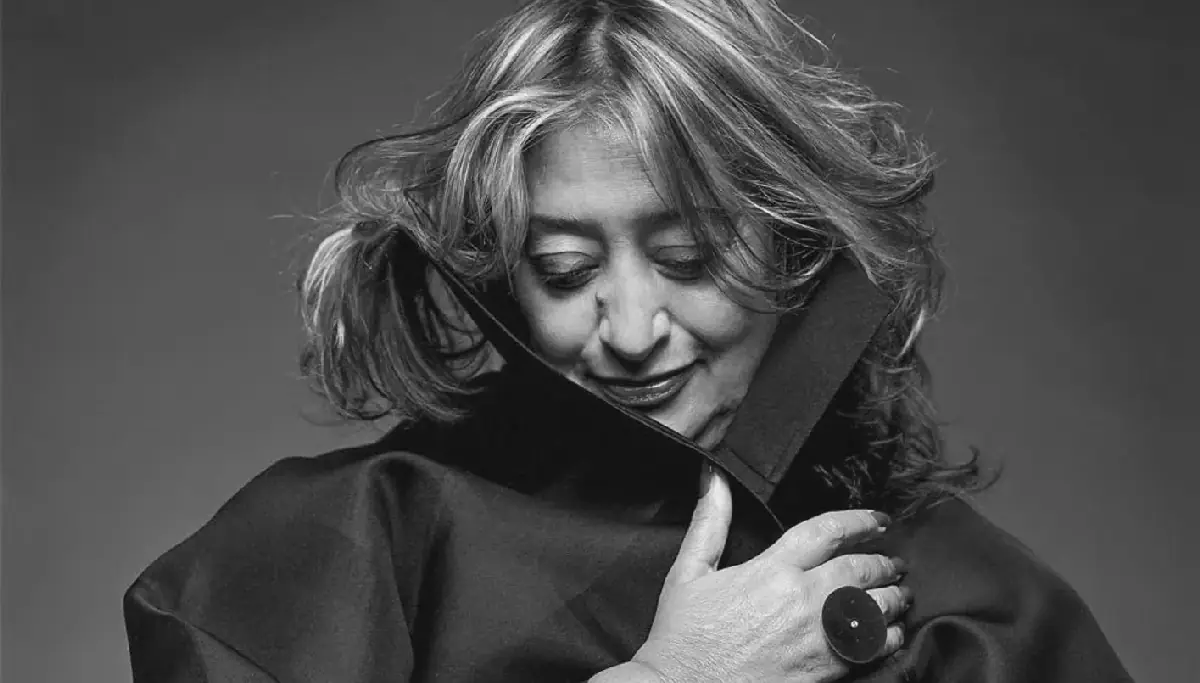
Zaha Hadid was born on October 31, 1950, in Baghdad, Iraq. She studied mathematics at the American University in Beirut before pursuing a career in architecture in London. Her early life and education laid the foundation for her future success, as she developed a unique style that blended artistry and engineering. Hadid's work was influenced by her Iraqi heritage and her experiences living in the Middle East and Europe.
Hadid's architectural style was characterized by its use of fluid lines, organic shapes, and dynamic compositions inspired by nature and geology. Her designs challenged traditional notions of buildings and urban spaces, and she became known as the "Queen of Curves." Throughout her career, Hadid pushed the boundaries of what was possible in architecture, experimenting with new materials and technologies to create innovative and functional designs.
Despite facing numerous challenges and setbacks throughout her career, Hadid persevered and continued to develop her vision. Her big break came in 2004 when she became the first woman to win the Pritzker Prize, one of the most prestigious awards in architecture. This recognition cemented her status as a leading figure in the architectural world and paved the way for future generations of female architects.
Hadid's portfolio of work includes some of the most iconic buildings and structures of the 21st century. Her designs can be found in cities around the world, including the Heydar Aliyev Center in Baku, Azerbaijan; the London Aquatics Centre; the MAXXI Museum of Contemporary Art in Rome; and the Guangzhou Opera House in China. Her work has also had a lasting impact on the Middle East, where she designed several notable projects, including the King Abdullah Petroleum Studies and Research Centre in Riyadh, Saudi Arabia.
In addition to her work on large-scale buildings and projects, Hadid was also a prolific designer of furniture, interior decor, and exhibitions. Her designs often blurred the lines between art and architecture, and she was known for her ability to create functional and beautiful spaces. Throughout her career, Hadid collaborated with a wide range of artists, designers, and engineers, pushing the boundaries of what was possible in architecture and design.
Zaha Hadid passed away on March 31, 2016, at the age of 65, but her legacy continues to inspire architects and designers around the world. Her work remains a testament to her innovative spirit and her commitment to pushing the boundaries of what is possible in architecture. Today, Hadid is remembered as a trailblazer for women in architecture and a true visionary who left an indelible mark on the built environment.
Zaha Hadid's impact on architecture cannot be overstated. She challenged traditional notions of buildings and urban spaces, and her designs continue to inspire architects and designers around the world. Her legacy serves as a reminder that architecture has the power to shape our experiences and our perceptions of the world around us.
Key points
- Zaha Hadid was a pioneering Iraqi-British architect who left an indelible mark on modern architecture with her innovative and daring designs.
- Hadid's work continues to inspire architects and designers around the world, and her legacy serves as a reminder that architecture has the power to shape our experiences and our perceptions of the world around us.
- Throughout her career, Hadid was recognized with numerous awards and accolades, including the Pritzker Prize, which she won in 2004.