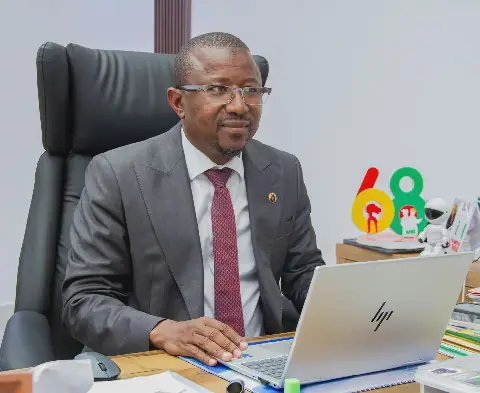
Hotel operators in Nigeria are calling for urgent government intervention to address the challenges of multiple taxation, high operating costs, and inadequate electricity supply. The National Secretary of the Nigerian Hotels Association (NHA), Prince Amos Uyo, made the call while speaking on the hospitality and tourism sector. He stated that hotels are major contributors to employment and government revenue but are being weighed down by excessive and duplicative charges from different government agencies.
According to Prince Amos Uyo, hotel operators currently contend with more than 25 different taxes, levies, rates, and regulatory charges imposed by the three tiers of government and non-governmental organisations. Some of these charges include Company Income Tax, Value Added Tax (VAT), Education Tax, and Police Trust Fund Levy at the federal level. State and local government charges include tourism levy, hotel occupancy tax, consumption tax, environmental levy, fire service charge, tenement rate, signage fee, waste disposal charges, liquor licence, health permits, and other fees.
The NHA secretary emphasized that the problem is not taxation itself but the duplication and lack of coordination among collecting agencies. Different government agencies often visit the same hotel to demand separate payments, while operators are sometimes subjected to threats of sealing their premises or arbitrary assessments when they are unable to meet the demands. Uyo called for the harmonization of hospitality taxes through a single-window collection system, under which all legitimate taxes and levies payable by hotels would be collected through one platform and subsequently shared among the federal, state, and local governments according to an agreed formula.
Prince Amos Uyo also advocated for a legal limit on the number of permissible levies imposed on hotels, proposing that only five major charges should remain: VAT, Company Income Tax, Tourism Levy, Tenement Rate, and Waste Levy. He further called for the establishment of a National Tourism Tax Ombudsman to handle complaints from operators and check alleged harassment and illegal collections by government agencies. Additionally, he suggested that the government should consider tax incentives, including a five-year tax holiday and single-digit interest loans for new hotel investments.
Poor power supply remains another major burden for hotel operators, who are often forced to provide their own infrastructure and alternative sources of electricity. Uyo recalled that he personally spent more than N20 million to extend a commercial electricity line to his hotel, including the purchase of cables and a transformer. However, operators could still be required to pay distribution companies for electricity services connected to infrastructure they had substantially financed themselves.
The NHA official warned that the rising cost of operations is discouraging investment, with some investors considering taking new projects to countries such as South Africa and Rwanda, where access to public infrastructure and a more coordinated tax environment could make investment more attractive. The impact of these challenges goes beyond the hotel industry, as hospitality is closely linked to transportation, food production, entertainment, retail, and other businesses.
The association urged the National Assembly, particularly the Senate Committee on Tourism, to urgently sponsor legislation to harmonize hospitality taxes and establish a more predictable regulatory framework for the industry. The NHA also called for mandatory consultation with hotel operators before the introduction of new levies, saying stakeholders should have a voice in policies directly affecting the sector.
Key points
- Hotel operators in Nigeria face over 25 different taxes and levies imposed by various government agencies.
- The Nigerian Hotels Association is calling for tax harmonization and a single-window collection system.
- Poor power supply and high operating costs are discouraging investment in the hospitality industry.