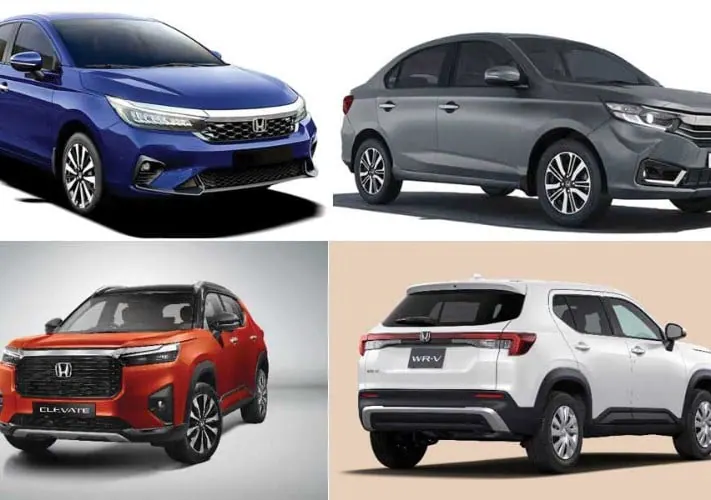
Japanese automaker Honda is set to implement one of its largest cost-cutting plans in history, aiming to reduce expenses by approximately 1.5 trillion yen, equivalent to $9.4 billion, by 2030. This move is part of Honda's efforts to revamp its business in the automotive sector and counter the growing pressure from Chinese competitors, particularly in the electric vehicle market.
The cost-cutting plan is a strategic response to the intensifying competition in the global automotive industry, especially from Chinese companies like BYD. Honda's decision to reduce costs comes as the company seeks to maintain its market share and competitiveness in the face of increasing challenges from new entrants, particularly in the electric vehicle segment.
According to sources, Honda's cost-cutting measures will focus on optimizing its production processes, reducing waste, and improving operational efficiency. The company aims to achieve these savings through a combination of streamlining its manufacturing operations, renegotiating supplier contracts, and implementing new technologies to enhance productivity.
The announcement of Honda's cost-cutting plan coincides with reports of increased competition in the Egyptian market, where the company operates. Local automotive industry stakeholders have expressed concerns about the impact of Chinese imports on the market, with some calling for measures to support domestic manufacturers and maintain a level playing field.
Honda's efforts to reduce costs and improve efficiency are also driven by its goal to expand its presence in the electric vehicle market. The company has announced plans to launch new electric vehicle models in the coming years, with Egypt being one of the target markets. However, Honda faces stiff competition from established players and new entrants, including Chinese companies.
Industry analysts have noted that Honda's cost-cutting plan is a necessary step to ensure the company's long-term viability in the highly competitive automotive market. However, they also caution that the company must balance its cost-cutting efforts with investments in research and development, particularly in emerging technologies like electric vehicles and autonomous driving.
As Honda implements its cost-cutting plan, the company is also expected to focus on strengthening its partnerships with local distributors and dealers in Egypt and other markets. By improving its relationships with these partners, Honda aims to enhance its sales and service capabilities, ultimately improving customer satisfaction and loyalty.
Key points
- Honda aims to cut costs by $9.4 billion by 2030 to stay competitive amid growing pressure from Chinese automakers.