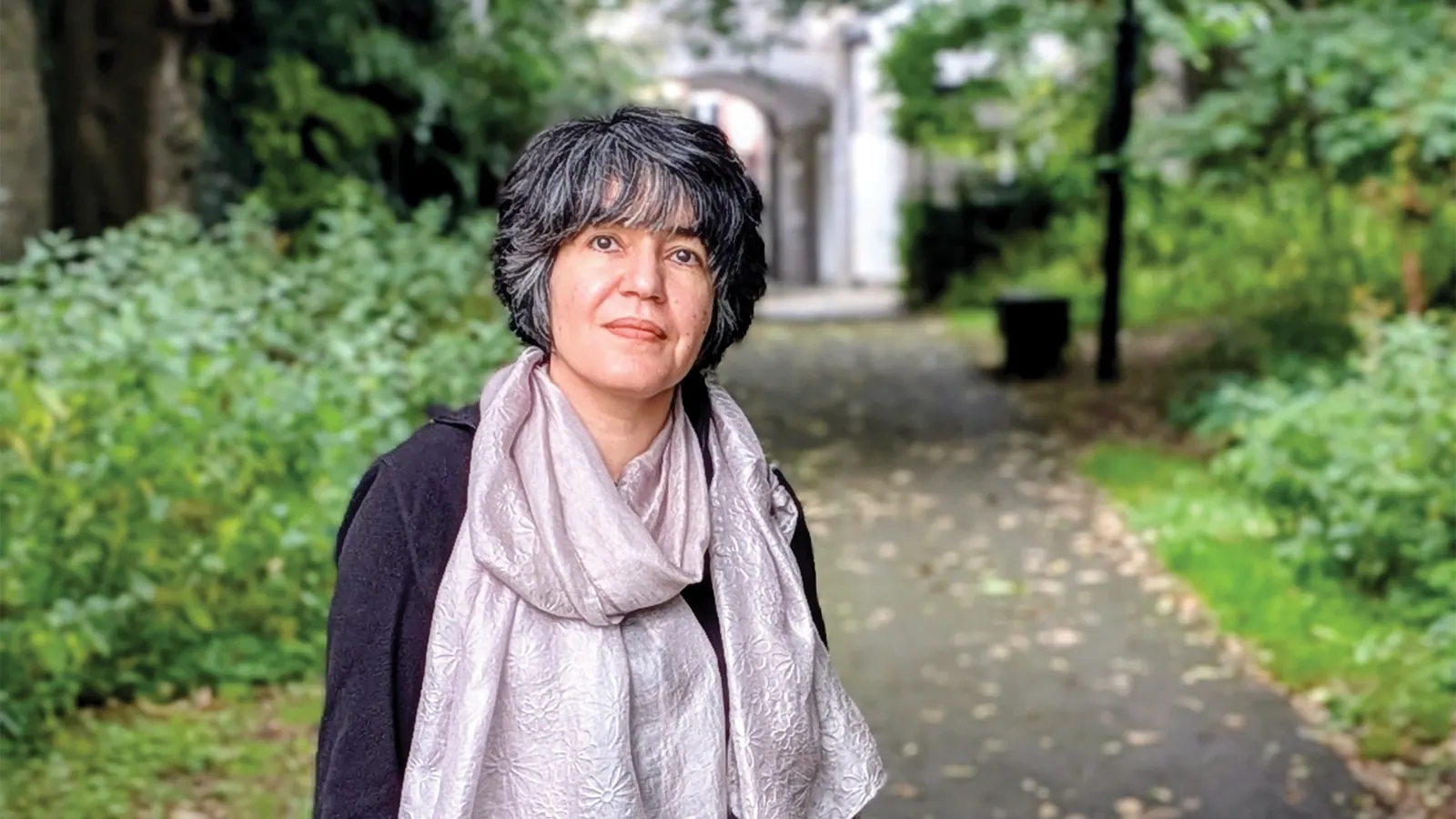
Dr Karishmeh Felfeli-Crawford, a petite woman with a passion for classical piano, never imagined that her life would take a drastic turn, leading her to become homeless in London. Born in Pune, India, she moved to Ireland, where she worked as a music teacher and presenter on BBC Radio 3. However, her life changed after she was diagnosed with Type 1 bipolar disorder, which led to a series of tumultuous years, including a psychotic episode that caused her to run away from her home in Ireland.
In 2018, Dr Felfeli-Crawford and her husband, Stephen, relocated to County Mayo in the West of Ireland due to the rental housing crisis. However, she struggled to adjust to life in a small town and refused to take anti-psychotic medication, leading to a manic and psychotic episode. She booked a flight to London, leaving her husband and home behind with no clothes or baggage. Her few belongings were stolen within the first 24 hours, and she became untraceable.
Dr Felfeli-Crawford began sleeping rough in Hyde Park, London, wearing the same clothes she had left home in. Her mind was ablaze with connections, and she experienced psychosis, which made her perceive everyday objects as larger than life. Her only concern was finding something to eat and drink. She relied on random acts of kindness from strangers, including the Muslim community in Edgeware Road, which offered her hot food, and the Langham Hotel, which allowed her to take shelter from the rain.
Despite her struggles, Dr Felfeli-Crawford encountered several kind-hearted individuals who helped her during her time on the streets. The famous soprano Danielle De Niese offered to buy her lunch, and the Hilton Hotel on Edgeware Road allowed her to use their bathroom facilities. She also received a £20 note from a stranger after playing the piano at Tottenham Court Road station, which was her first feel of real money in over three months.
Dr Felfeli-Crawford's mental state continued to deteriorate, and she experienced a complete break from reality. She lost all memory of her past, including her life in Ireland, her husband, and her family. Her only recollection was of cafe and bathroom locations. She struggled to cope with the changing seasons, and her clothes became inadequate. She knew it was Christmas time when she saw Selfridges' window display, which reminded her of her childhood in India.
At one point, Dr Felfeli-Crawford followed a flyer with Julian Assange's picture to the Ecuadorian Embassy, where she ended up sleeping rough. She was woken up by concerned parents and teachers of a nearby prep school, who offered her food and tried to talk to her. However, she was perplexed and struggled to understand her situation. As someone who had taught children music for many years, she was genuinely confused about how she had ended up in such a vulnerable position.
Dr Felfeli-Crawford's story highlights that homelessness can happen to anyone, regardless of their background or circumstances. Her experience shows that mental illness can affect anyone, and it is essential to have a support system in place. Her story also emphasizes the importance of kindness and compassion from strangers, which helped her survive during her time on the streets. Dr Felfeli-Crawford's journey is a testament to the human spirit, and her story serves as a reminder that there is no single image of a homeless person.
Key points
- Dr Karishmeh Felfeli-Crawford's story highlights the importance of addressing mental health and providing support for those affected by homelessness.