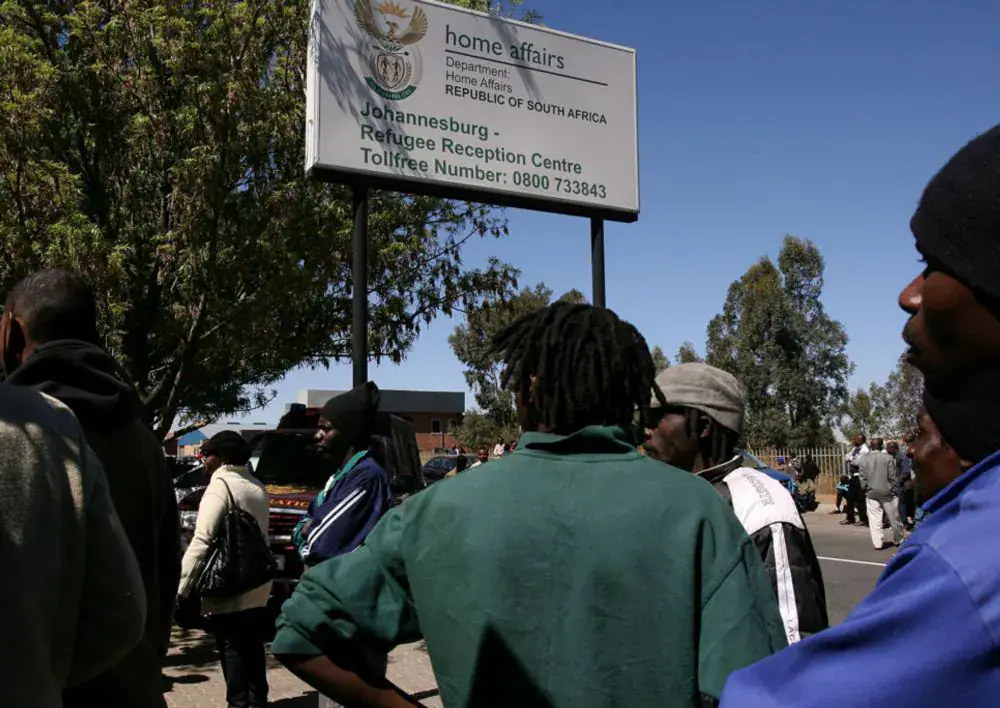
The Department of Home Affairs in South Africa has been urged to urgently clarify changes to its official email channels for asylum-related submissions. This call comes amid allegations that electronic communication channels were flooded with fraudulent correspondence following the launch of the first phase of the department's biometric Digital Asylum System. A law firm, Akram and Company Inc, specializing in immigration and refugee law, has requested the department to explain the effective dates and status of any changes or suspended addresses.
The law firm, led by director Yolanda Celeste Akram, emphasized that the department must protect genuine asylum seekers who used an address provided by the department. Akram stated that the department cannot unfairly penalize vulnerable applicants for uncommunicated administrative changes. The firm has called for transitional measures, such as forwarding correspondence and preserving submissions, whenever official communication channels change. This request aims to prevent asylum seekers from being arrested or deported due to administrative disruptions.
The allegations of fraudulent submissions led to the department changing its online asylum application email. Social media personality and independent journalist Baas Kruger initially alleged that the department made this change due to a surge in fraudulent submissions. The Department of Home Affairs spokesperson, Thabo Mokgola, did not respond to questions sent last week to confirm the allegations. The new biometric portal, launched in November 2026, aims to cut processing delays, reduce backlogs and corruption, and prevent abuse of the asylum system.
The rollout of the Digital Asylum System follows a landmark Constitutional Court ruling on July 7, 2026, that forced the government to change how it handles incoming asylum claims. The Court declared parts of the Refugees Act unconstitutional because they blocked asylum seekers from having their claims heard on procedural grounds. Previously, people were turned away if they lacked a transit visa, missed strict reporting deadlines, or failed to convince officials they had "valid" or "compelling" reasons for late applications.
Akram and Company Inc's director, Yolanda Celeste Akram, stressed that the department must pair the portal's rollout with strong infrastructure, accessible alternatives, and proper transfers. This will ensure that the new system does not create new administrative barriers for asylum seekers. Akram suggested that the department should implement a dedicated filtering mechanism to remove spam without delaying critical documentation and protections needed by genuine asylum seekers.
International relations analyst Dr. Gideon Chitanga commented on the potential manipulation of the Home Affairs system. He stated that ordinary citizens lack access to the system, and external interference must be prevented. According to Chitanga, any manipulation of the system could only come from disgruntled insiders resistant to ongoing changes. He added that speculation is fueled by mistrust and the idea that no one has faith in the key actors.
The Department of Home Affairs must address concerns about the changes to its asylum application email channels and ensure a smooth transition to the new Digital Asylum System. The law firm's requests and the analyst's comments highlight the need for transparency, accountability, and oversight in the implementation of the new system. Key to this process is protecting vulnerable asylum seekers and preventing abuse of the asylum system.
Key points
- The Department of Home Affairs must clarify changes to its asylum application email channels.
- A law firm has requested transitional measures to protect genuine asylum seekers.
- The new biometric portal aims to cut processing delays and prevent abuse of the asylum system.
Reporting sources
- Home Affairs urged to clarify asylum email changes after fraud allegations · The Independent on Saturday