The Sheikh Ahmad cemetery, located in Atbara city, Sudan, has gained significance due to a community-led initiative called "Nefir Al-Nazafa" or "The Cleaning Call." This effort, spearheaded by a group of young people from Atbara, aims to clean and protect the cemetery, which has been neglected and plagued by issues such as waterlogging, the spread of invasive tree species, and the accumulation of waste.
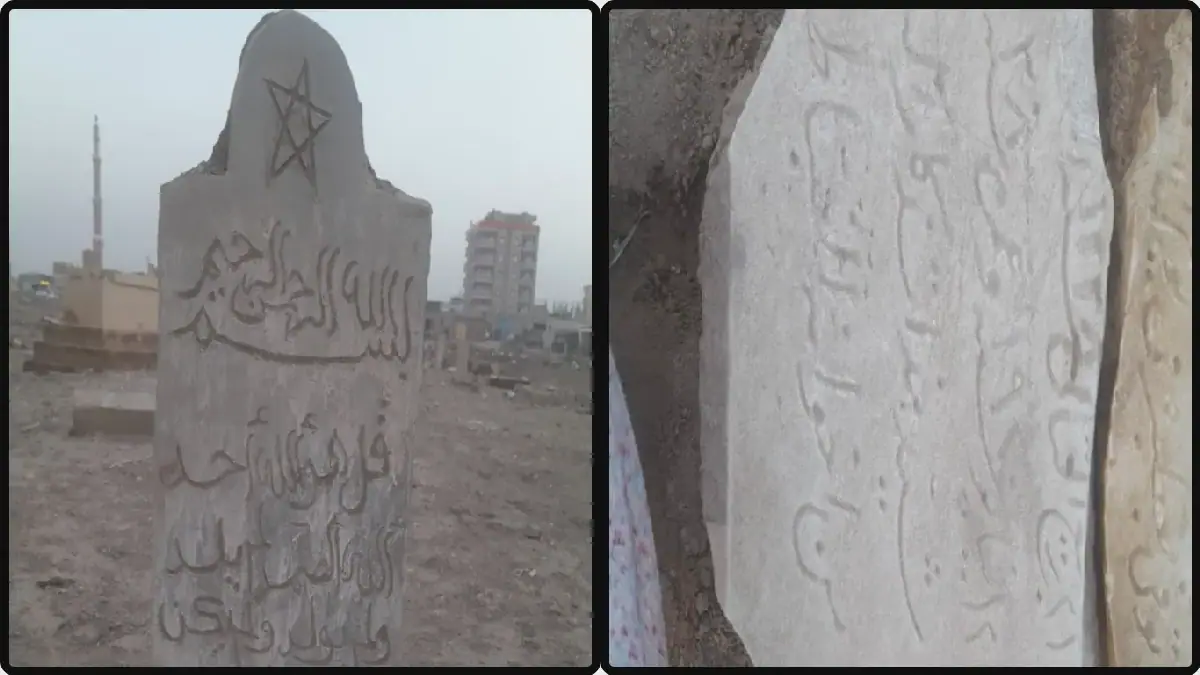
The initiative, which began with the help of local enthusiast Abdulaziz Mohamed Al-Kidda, brought together young men and women from Atbara, along with the local Red Crescent society. As they worked to clear the site of debris and overgrown vegetation, they stumbled upon ancient tombstones, some of which date back around 100 years. These tombstones bear the names of individuals who played important roles in the city's history, including Sheikh Ahmad, Al-Hajj Morghni, and 24 Egyptian soldiers.
The tombstones in the Sheikh Ahmad cemetery display various shapes, including square and rectangular forms, with some featuring symbols such as crescent moons and stars. One notable example is the tombstone of Egyptian soldier Khairallah Afandi Badwi. The inscriptions and symbols on these tombstones provide valuable insights into the history of Atbara and its connections to Egypt. However, further study is required to fully understand the significance of these findings.
The discovery of the Sheikh Ahmad cemetery has raised several questions about the history of Atbara and its people. Researchers are eager to learn more about Sheikh Ahmad, the namesake of the cemetery, and the Egyptian soldiers and families buried there. Additionally, the cemetery's connection to the Legislative Assembly and the events that took place in Atbara during that time period remain unclear.
To address these questions, a comprehensive survey and documentation of the cemetery are necessary. This would involve mapping the site, photographing the tombstones, and recording the inscriptions and symbols. It is also essential to gather oral testimonies from local residents and review historical records to gain a deeper understanding of the cemetery's significance.
The community-led initiative to clean and protect the Sheikh Ahmad cemetery has highlighted the importance of collaboration between local communities, authorities, and experts in preserving Sudan's cultural heritage. By working together, it is possible to ensure the long-term protection and conservation of historical sites like the Sheikh Ahmad cemetery.
The Sheikh Ahmad cemetery serves as a reminder that historical sites can be found in unexpected places and that community-led initiatives can play a crucial role in preserving cultural heritage. As efforts to document and protect the cemetery continue, it is likely that more information about Atbara's history and its people will come to light.
Key points
- The cemetery's discovery has sparked interest in Atbara's history and cultural heritage.
- Community-led initiatives can play a crucial role in preserving cultural heritage.
- Further study is required to fully understand the significance of the tombstones and inscriptions.