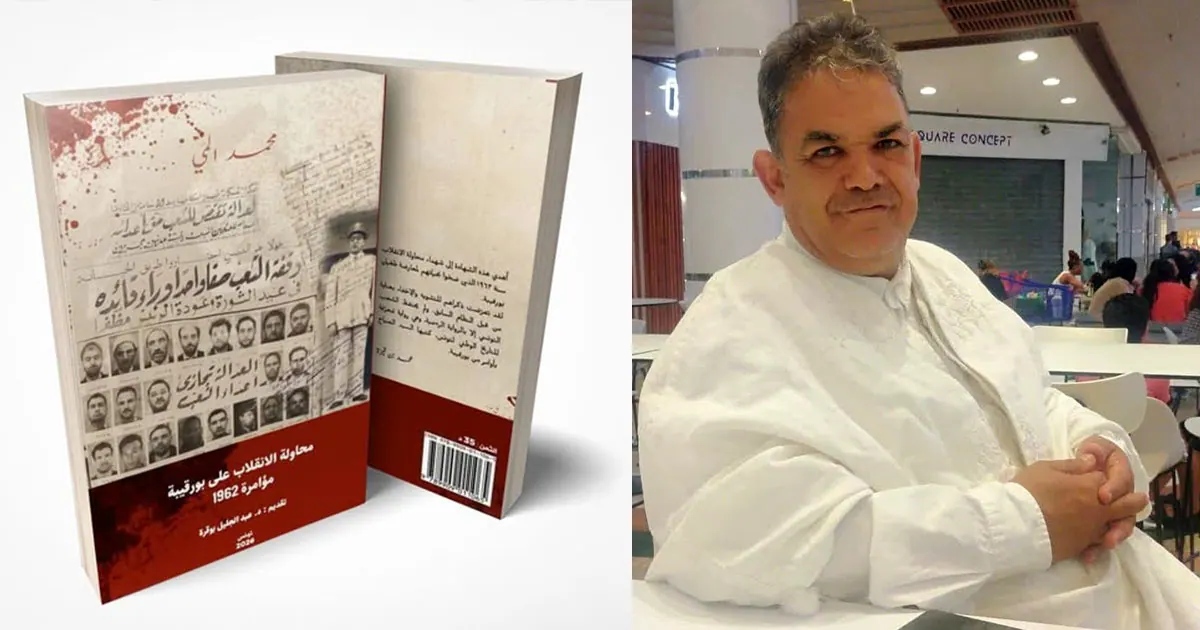
A recent publication by Mohamed El May, "محاولة الانقلاب على بورقيبة: مؤامرة 1962" (The Attempted Coup Against Bourguiba: The 1962 Conspiracy), has shed new light on the 1962 coup attempt against Habib Bourguiba, the first president of Tunisia. The book, released in 2026, presents a thorough examination of the event, utilizing previously inaccessible judicial documents and testimonies from key individuals involved. This work challenges the conventional narrative surrounding the coup attempt, providing a more nuanced understanding of this pivotal moment in Tunisia's history.
The 1962 coup attempt has long been shrouded in mystery, with the official narrative portraying it as a plot led by Lazhar Chraïti, a group of military personnel, and civilians. However, El May's research reveals a more complex scenario, involving a diverse group of individuals with varying motivations and backgrounds. By analyzing 25 interrogations of suspects, four defense pleas, and the final judgment, the author provides an in-depth look at the events leading up to the coup attempt and its aftermath.
One of the significant contributions of El May's book is the publication of testimonies from those accused, allowing readers to understand their perspectives and experiences. These testimonies highlight the diversity of positions, motivations, and trajectories among the individuals involved, adding depth to the historical record. Furthermore, the book underscores the importance of considering the historical context in which the coup attempt took place, including the social and personal frustrations prevalent in post-independence Tunisia.
The research conducted by El May also highlights the role of Omar Ben Bembli, who appears to have played a more significant part in the coup attempt than previously acknowledged. This finding challenges the traditional narrative, which focused primarily on Lazhar Chraïti. The author's analysis suggests that the coup attempt was not the result of a single individual's actions but rather a complex interplay of factors and motivations.
The book also explores the historical context surrounding the coup attempt, including the aftermath of Tunisia's independence and the battle of Bizerte in 1961. The battle, which was a significant moment of national mobilization, had left many with unfulfilled expectations and frustrations. El May's research demonstrates that these events contributed to the tensions and divisions within Tunisia's early post-independence period.
The trial of those accused of involvement in the coup attempt is also examined in El May's book. The author analyzes the judicial process, including the conditions of the investigation, the defense strategies, and the verdicts. This examination provides valuable insights into the functioning of Tunisia's military justice system during this period and how the official narrative surrounding the coup attempt was constructed.
Ultimately, El May's book offers a fresh perspective on a pivotal moment in Tunisia's history, highlighting the complexities and nuances of the 1962 coup attempt. By shedding new light on this event, the author encourages readers to reevaluate their understanding of Tunisia's early post-independence period and the challenges faced by its leaders.
Key points
- Historian Mohamed El May's book challenges the official narrative surrounding the 1962 coup attempt against Habib Bourguiba, providing a more nuanced understanding of the event.