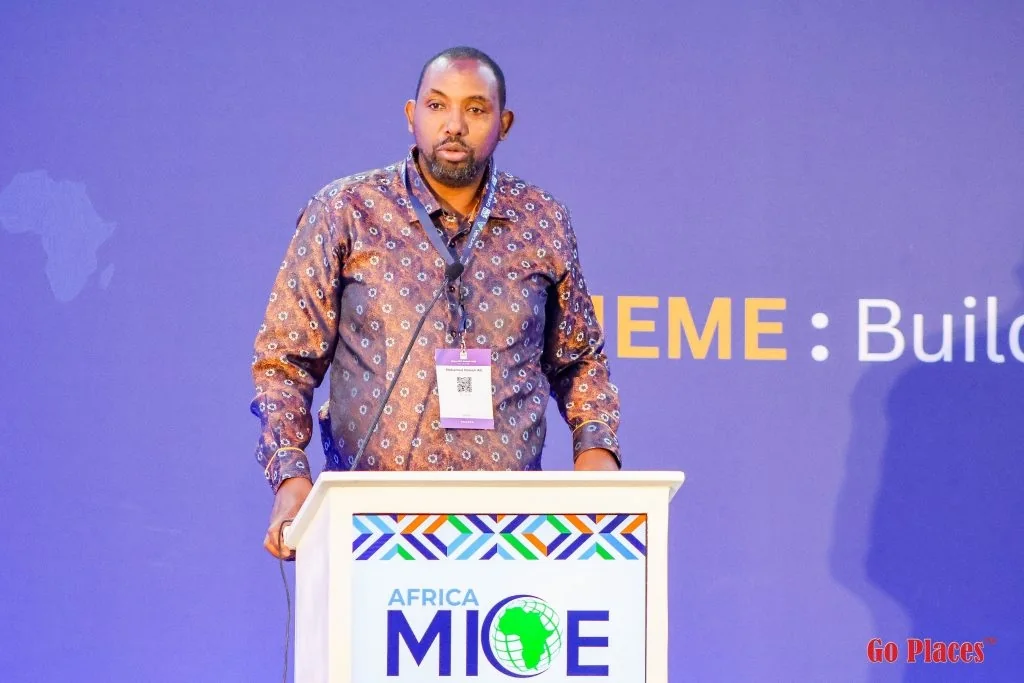
Industry participants at the Africa Meetings, Incentives, Conferences and Exhibitions (MICE) Summit in Mombasa highlighted that the cost of travelling between African nations is becoming a major obstacle to the continent’s push for more international conferences. Despite investments in hotels, conference centres, and related facilities, delegates still encounter difficulties reaching and moving between destinations. This challenge was emphasized by summit speakers, who noted that high travel costs can directly influence where international organisers choose to hold events.
Stakeholders at the summit called for simplified visa regimes and better air connections between African cities to make business travel more affordable and convenient. They noted that flight costs, along with taxes and other charges, inflate the price of air travel and attendance at business events. These additional costs can deter international organisers from choosing African destinations for their conferences. As a result, summit participants stressed the need for a more comprehensive approach to address these challenges.
The summit concluded that improving physical infrastructure alone will not boost Africa’s share of the global MICE market; ease of access for organisers and delegates is equally crucial. Participants urged the creation of stronger convention bureaus to market African destinations, identify event opportunities, and coordinate bids for major conferences and exhibitions. This coordinated effort between governments and private firms is necessary to enhance the continent’s competitiveness in the MICE sector.
Successful bids for international conferences require investment in venues, accommodation, transport, and destination marketing. Kenya, with its conference facilities and hotels capable of hosting large international gatherings, was singled out as needing to address connectivity, visa access, and travel costs to remain competitive. By addressing these challenges, Kenya can increase its chances of attracting more international conferences and events.
For Mombasa, which seeks to attract more business events, increased conference activity could generate additional revenue for hotels, restaurants, transport operators, and other service providers. This would have a positive impact on the local economy, creating new opportunities for businesses and boosting economic growth. The summit discussions highlighted the importance of reducing travel barriers to expand the continent’s MICE sector.
The MICE Summit in Mombasa brought together industry stakeholders to discuss the challenges facing Africa’s business-tourism aspirations. The summit’s focus on travel costs, visa hurdles, and taxes emphasized the need for a more comprehensive approach to address these challenges. By working together, governments and private firms can create a more favorable environment for international conferences and events.
Overall, the summit discussions shifted focus from venue availability to the broader challenge of moving delegates to African destinations. Stakeholders emphasized that reduced travel barriers are critical for expanding the continent’s MICE sector. By addressing these challenges, Africa can increase its share of the global MICE market and become a more attractive destination for international conferences and events.
Key points
- High travel costs and visa hurdles hinder Africa's ability to attract international conferences.
- Simplified visa regimes and better air connections are necessary to make business travel more affordable.
- Improved physical infrastructure and ease of access are crucial for boosting Africa’s MICE sector.