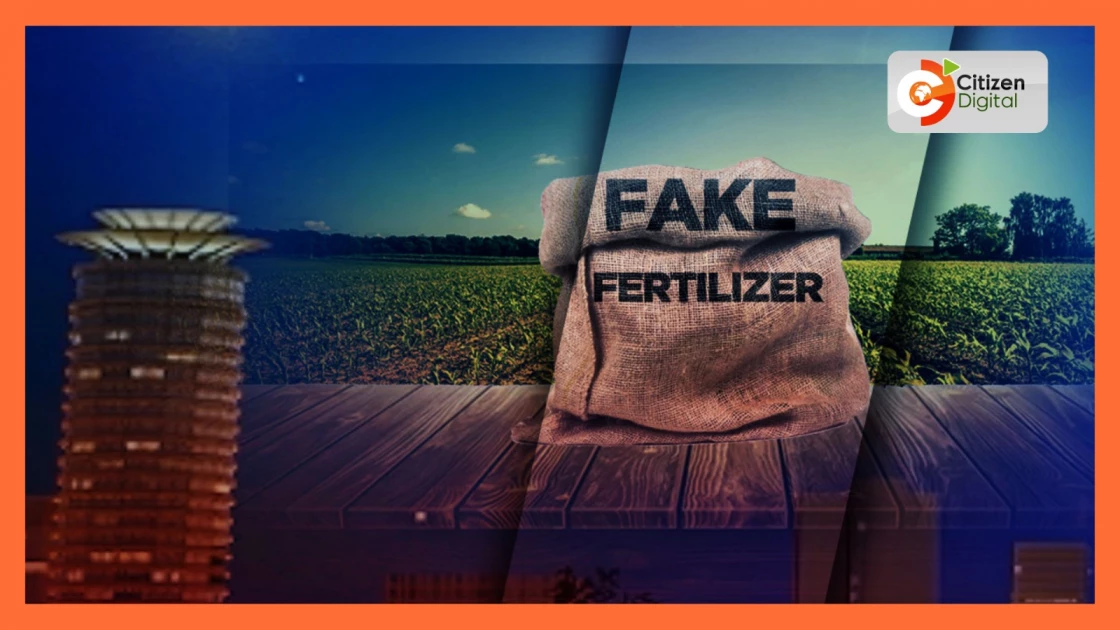
The High Court of Kenya has ruled that the sale of substandard NPK fertilizer to farmers under the National Fertilizer Subsidy Programme was unlawful and violated their constitutional rights. The court found that the fertilizer, sold under the brand name 'Kelgreen', did not conform to its declared composition and the applicable Kenya Standard. This judgment was issued on Wednesday, following a case filed by the Law Society of Kenya in March 2024.
The case was sparked by complaints from farmers and the media, which emerged in March 2024, that the fertilizer being distributed to farmers under the government subsidy programme was substandard or counterfeit. The Kenya Bureau of Standards subsequently suspended the manufacturer’s standardisation mark permits. Several officials and individuals linked to the supply of the fertilizer were later charged before the Kiambu Chief Magistrate’s Court.
The court noted that the farmers who bought subsidized fertilizer at the National Cereals and Produce Board depots were consumers who paid for it, and the board, a public entity, offered it to them. However, the fertilizer was not of reasonable quality; it fell far short of the composition declared on the bag and of the specification the board had tendered for. The court also found that the failure by the Cabinet Secretary responsible for agriculture to constitute the Fertilizer and Animal Foodstuffs Board of Kenya was unlawful and inconsistent with the Constitution.
The court rejected a request seeking an order compelling investigators and prosecutors to investigate and prosecute all individuals allegedly involved. The judge held that the decision on whether evidence justified charging additional suspects fell within the mandate of the Director of Public Prosecutions. The court said investigations and prosecutions could continue in relation to persons not yet before the court.
The court declined to order compensation for all affected farmers, citing that the farmers on whose behalf compensation was sought had not been individually identified, while the losses had neither been proved nor quantified. However, the court noted that farmers whose losses had not been made good remained free to pursue individual claims. The National Cereals and Produce Board had indicated that affected farmers had been provided with replacement or top-dressing fertilizer.
The Law Society of Kenya had also sought declarations against senior government officials, an order stopping further implementation of the National Fertilizer Subsidy Programme, and findings against a National Assembly Select Committee that had investigated allegations surrounding the programme. However, those prayers were declined. The court stressed that its judgment did not amount to a finding of guilt or innocence against any person facing criminal charges.
In its final orders, the court declared that the failure to constitute the Fertilizer and Animal Foodstuffs Board in accordance with the Fertilizers and Animal Foodstuffs Act was unlawful and inconsistent with the Constitution. The court also declared that the sale of the non-conforming NPK fertilizer to farmers under the 2024 long rains National Fertilizer Subsidy Programme violated farmers’ rights under the Constitution.
Key points
- The High Court ruled that the sale of substandard NPK fertilizer to farmers under the National Fertilizer Subsidy Programme violated their constitutional rights.
- The court found that the failure to constitute the Fertilizer and Animal Foodstuffs Board of Kenya was unlawful and inconsistent with the Constitution.
- The court declined to order compensation for all affected farmers, allowing them to pursue individual claims instead.