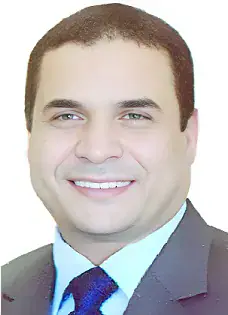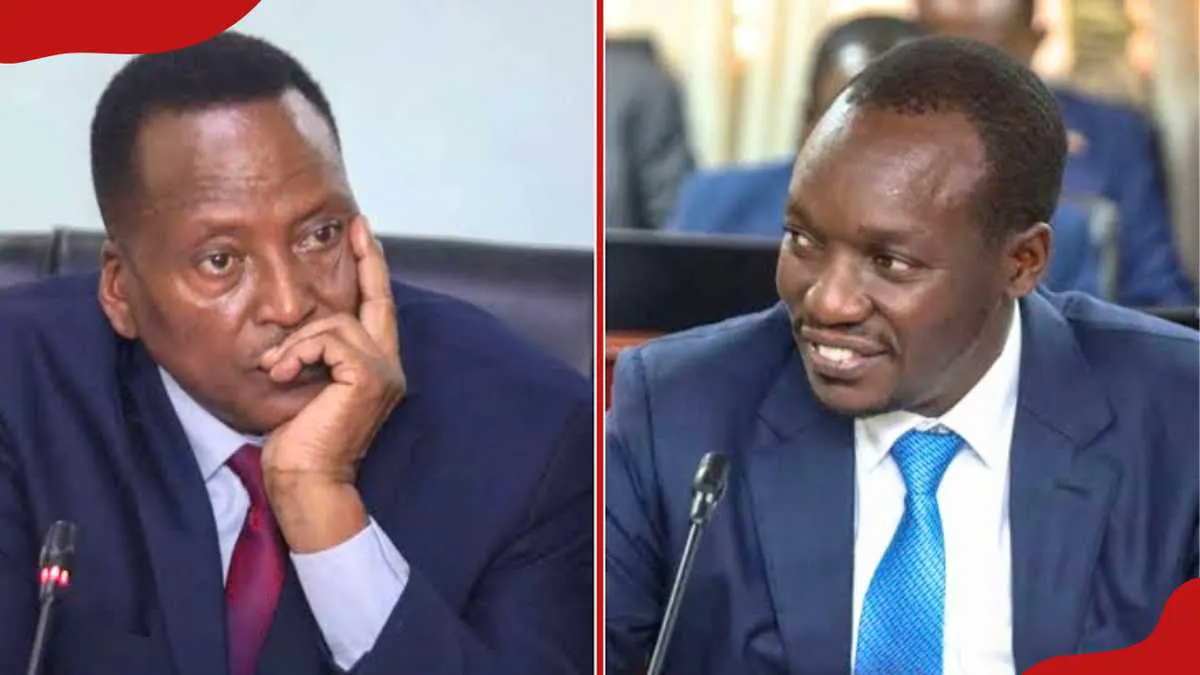
The High Court in Kisii has issued a temporary injunction against Senator Richard Onyonka, barring him from making or publishing statements that allege Kisii Governor Paul Simba Arati uses goons, violence, and criminality to deal with issues in the county. This decision was made in a defamation case filed by Arati against Onyonka. The case stems from a press statement issued by Onyonka in June 2025, where he accused Arati of hiring goons and criminals to attack a Senate team that had visited Kisii County to audit and oversee its books and expenditure.
Arati argued that Onyonka's statement portrayed him as violent, incompetent, corrupt, and unfit to hold public office, thereby damaging his reputation. Justice Prof Nixon Sifuna found that Arati had established an arguable case warranting protection at the interlocutory stage. The judge ruled that the disputed statement was, on its face, capable of being defamatory. According to Sifuna, the statement was likely to portray Arati as a governor who was incompetent, lacked integrity, and "thrives on violence, goons, and criminality".
The temporary injunction does not amount to a final finding that Arati has been defamed. Justice Sifuna clarified that the question of whether the statement has actually defamed Arati or not shall be determined later at the hearing of the suit itself. The judge emphasized that defamation cases require courts to balance an individual's right to reputation against freedom of expression. He cautioned that interlocutory proceedings should not effectively determine the main dispute before the full hearing.
The court barred Onyonka, pending determination of the suit, from making or publishing the same or substantially similar allegations against Arati in public meetings, rallies, media briefings, press statements, social media platforms, or other public forums. However, the order does not prevent Onyonka from carrying out his constitutional duties as a senator. Onyonka remains free to raise issues concerning Arati or Kisii County in Parliament, parliamentary committees, and other authorized parliamentary structures while performing his oversight duties.
Justice Sifuna declined to order the removal or deletion of the disputed press statement from social media platforms. He argued that there would be little practical benefit in permanently removing material that could be required as evidence during the trial. The court therefore allowed Arati's application in part by granting the prohibitory injunction but declined to issue the mandatory injunction seeking removal of the disputed material.
Each party was ordered to bear its own costs. The main defamation suit will now proceed to a full hearing, where the court will determine whether Onyonka's statements amounted to defamation and whether his parliamentary oversight role offers any legal protection for statements made outside Parliament. This case will likely have significant implications for the balance between freedom of expression and the right to reputation in Kenya.
The court's decision highlights the challenges of navigating defamation cases in the context of public office holders and the exercise of parliamentary oversight. As the case proceeds to a full hearing, it will be closely watched by stakeholders interested in the intersection of law, politics, and governance in Kenya. The outcome may have far-reaching consequences for how public officials engage in public discourse and the limits of their immunity.
Key points
- The High Court has temporarily barred Senator Richard Onyonka from repeating allegations against Kisii Governor Paul Arati.
- The case stems from a press statement issued by Onyonka in June 2025.
- The court's decision does not prevent Onyonka from carrying out his constitutional duties as a senator.