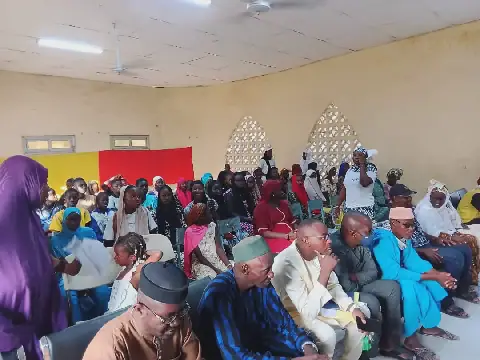
A recent cross-sectional study published in Health Sciences and Diseases analyzed consultation data from a medical post during a mass gathering of Guinean pilgrims. The study aimed to estimate the prevalence of abnormal blood pressure and hypertensive crisis among the pilgrims and identify their determinants. The researchers collected data from 1,267 pilgrims with measured blood pressure. The primary outcome was a three-level blood pressure classification: normal, elevated, and severe/crisis.
The study found that 57.5% of the pilgrims had abnormal blood pressure, with 9.1% experiencing severe hypertension. Among the 481 pilgrims with known hypertension, 73.2% still had abnormal blood pressure despite reporting usual treatment. Furthermore, 48.3% of the 582 pilgrims without known hypertension had abnormal blood pressure, including 5.8% with a severe form. These findings suggest that hypertension is a significant health concern among Guinean pilgrims during mass gatherings.
The study also identified determinants of abnormal blood pressure and severe hypertension. Known hypertension remained the strongest determinant of abnormal blood pressure and severe hypertension. The multivariable model showed that known hypertension was associated with abnormal blood pressure (OR = 2.70, 95% CI 1.97–3.72) and severe hypertension (OR = 3.66, 95% CI 2.22–6.10). Age was also associated with abnormal blood pressure (OR = 1.02 per year, 95% CI 1.01–1.03).
The researchers noted that reported usual treatment was not associated with significant risk reduction. This finding suggests that verifying usual medication use may not be sufficient to control blood pressure during mass gatherings. The study's results argue for strengthening blood pressure control before and during the pilgrimage, beyond just checking for usual medication use.
The study's findings are consistent with previous research on hypertension among pilgrims. A systematic review of 24 studies found that the prevalence of hypertension among Hajj pilgrims ranged from 10.3% to 37.9%. Another study of international Hajj pilgrims found that 23.1% had hypertension. These studies highlight the need for effective strategies to manage hypertension during mass gatherings.
The researchers emphasized the importance of screening and managing hypertension during mass gatherings. They suggested that healthcare providers should be aware of the high prevalence of hypertension among pilgrims and take steps to control it. This may include providing education on hypertension management, increasing access to healthcare services, and promoting healthy behaviors.
The study has implications for public health policy and practice. It highlights the need for targeted interventions to manage hypertension during mass gatherings, particularly in resource-limited settings. The findings also underscore the importance of strengthening healthcare systems to respond to the health needs of pilgrims during these events.
Key points
- - 57.5% of 1,267 Guinean pilgrims had abnormal blood pressure - 9.1% of the pilgrims experienced severe hypertension - Known hypertension was the strongest determinant of abnormal blood pressure and severe hypertension