Tunisia's potato harvest is facing challenges due to heatwaves and drought, which can significantly reduce yields and impact farmers' income. The country's agricultural sector is vulnerable to the effects of climate change, and the government is emphasizing the need to strengthen its resilience. According to the head of government, Sarra Zaaâfrani Zenzri, the impact of heatwaves and drought on agricultural production can have far-reaching consequences.
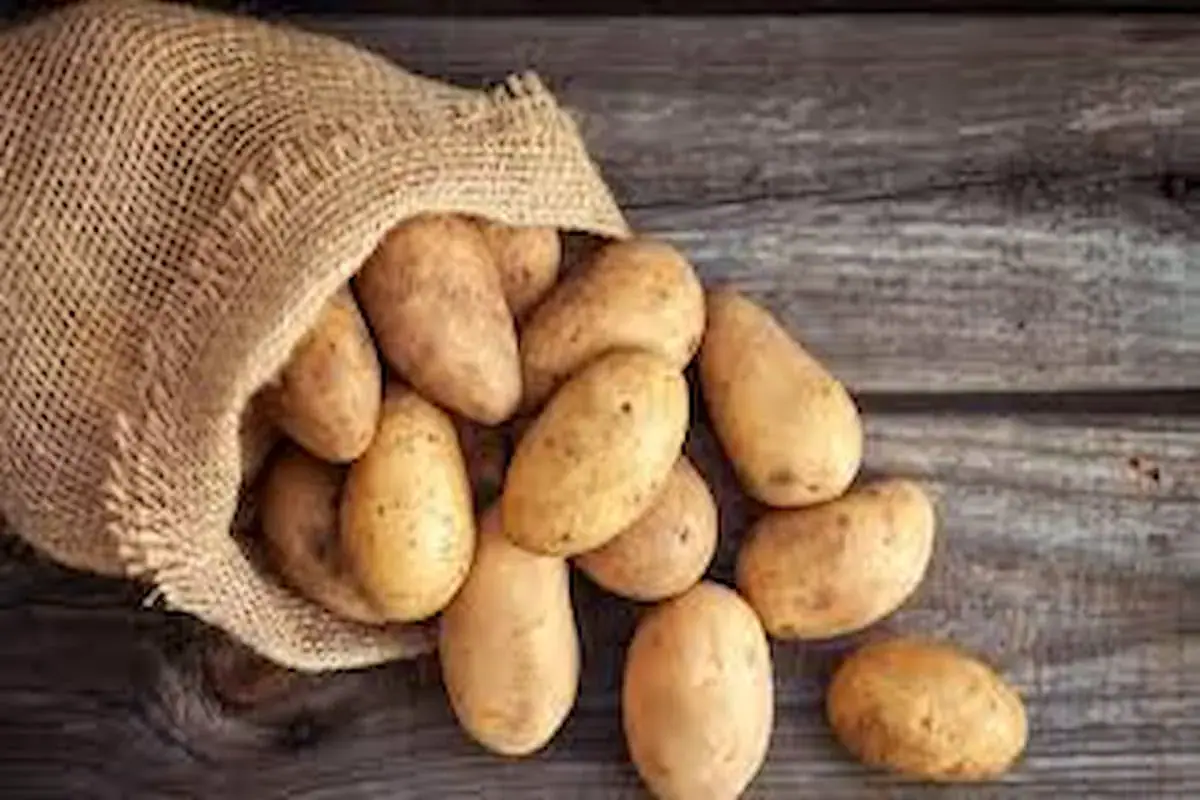
A reduced potato harvest not only means a lower quantity, but also a higher proportion of small tubers that do not meet the requirements of processors. This can have economic implications, as the problem is not just about the volume produced, but also about the quality, size, and market access. The potato is a staple food for many families in Tunisia, and a weaker harvest can affect their regular meals.
The potato is a crucial crop globally, with over a billion people consuming it regularly, and many relying on it daily. It is the third most widely available food crop in the world, after rice and wheat. The Food and Agriculture Organization (FAO) of the United Nations highlights the importance of potatoes in global food security.
In Tunisia, the impact of heatwaves on potato production can be seen in various regions. For example, in Kasserine, 120 tonnes of subsidized potatoes were seized, and 11 tonnes were confiscated in Bou Zguem. These incidents highlight the challenges faced by farmers and the need for effective measures to support the sector.
The Tunisian agricultural sector is calling for the activation of the national plan for local seeds to mitigate the effects of climate change. The Union of Tunisian Agriculture and Fisheries (UTAP) is advocating for measures to support farmers and improve crop yields. This includes investing in climate-resilient agricultural practices and supporting farmers in adapting to changing weather patterns.
The issue of heatwaves impacting potato production is not unique to Tunisia, but it highlights the need for countries to develop strategies to address climate change. Rising temperatures and changing weather patterns can have significant impacts on agricultural production, food security, and the economy. Governments and international organizations must work together to support farmers and develop climate-resilient agricultural practices.
The Tunisian government is taking steps to address the challenges faced by the agricultural sector, including the impact of heatwaves on potato production. By investing in climate-resilient agricultural practices and supporting farmers, the government aims to improve crop yields and ensure food security for its citizens. This includes implementing measures to support farmers, such as providing access to climate-resilient seeds and promoting sustainable agricultural practices.
Key points
- The potato harvest in Tunisia is affected by heatwaves, reducing yields and impacting farmers' income and food security.
- The potato is a crucial crop globally, with over a billion people consuming it regularly.
- The Tunisian government is taking steps to address the challenges faced by the agricultural sector, including the impact of heatwaves on potato production.
Reporting sources
- Comment un été caniculaire peut réduire la taille des pommes de terre? · L'Économiste maghrébin