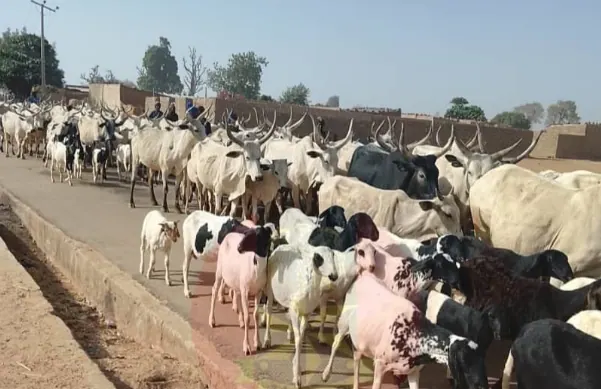
Microbiologists have warned that healthy-looking livestock can harbour antibiotic-resistant bacteria and pass them to humans through various routes. Resistant bacteria can live harmlessly in the intestines of cattle, sheep, goats, and chickens. Inappropriate antibiotic use in livestock can promote the survival and spread of resistant strains. The bacteria can be passed out in animal faeces and contaminate food, water, and the environment. Poor hygiene during slaughter, handling, and preparation of meat and other animal products can facilitate their transmission to humans.
Antimicrobial resistance occurs when bacteria and other microorganisms change in ways that make medicines used to treat infections less effective. The World Health Organisation notes that resistant organisms can spread between animals and humans through direct contact, food, and the environment. This can make some infections difficult to treat and increase the risk of severe illness and death. Nigeria's Second One Health National Action Plan on Antimicrobial Resistance, 2024–2028, has identified resistance among bacteria found in food-producing animals.
The plan reports that a meta-analysis found 10.9 per cent of bacteria reported in animal-health studies were multidrug-resistant, while 2.3 per cent were extensively drug-resistant. Previous research from Usmanu Danfodiyo University, Sokoto, examined methicillin-resistant Staphylococcus aureus in livestock and humans in Kebbi State. The study raised concerns about the spread of drug-resistant bacteria linked to antibiotic misuse. Experts stress that the absence of visible illness in livestock does not rule out the presence of resistant bacteria.
Consultant Clinical Microbiologist at Ladoke Akintola University of Technology Teaching Hospital, Ogbomoso, Oyo State, Professor Samuel Taiwo, notes that animals, like humans, naturally harbour large numbers of bacteria in their intestines. However, the use of antibiotics can alter the balance and favour resistant organisms. Taiwo explains that overuse and misuse of antibiotics in animal husbandry can create selection pressure, selecting resistant bacteria. This can lead to the elimination of susceptible bacteria while resistant ones survive and multiply.
According to Taiwo, resistant organisms can subsequently leave the animals through their faeces and reach people through contaminated water, food, and the environment. Humans who acquire the bacteria may develop symptoms depending on the quantity of organisms involved, their ability to cause disease, and the person's immune status. The acquired resistant bacteria can cause diarrhoea, vomiting, abdominal pain, fever, and blood in the stool. Severe infections can progress beyond gastrointestinal symptoms and cause serious bloodstream infections.
Consultant Clinical Microbiology and Infectious Diseases at the University of Ilorin Teaching Hospital, Professor Akanbi Ajibola, notes that livestock can carry resistant bacteria without showing signs of illness. Exposure to resistant bacteria does not automatically mean that a person will become sick. The outcome depends on the bacterium involved, how it entered the body, and the person's immune status. Diarrhoeal disease is one possible consequence, and some organisms found in animal faeces can cause human infections.
The experts warn that severe diarrhoea can result in significant fluid loss and serious complications, including dehydration, acute renal failure, and death. Some survivors may be left with damage to the brain, nerves, liver, and kidneys, depending on the bacteria involved. The treatment of resistant infections can require stronger antibiotics for longer periods, causing significant side effects.
Key points
- Healthy-looking livestock can harbour antibiotic-resistant bacteria, posing a risk to human health.
- Inappropriate antibiotic use in livestock can promote the survival and spread of resistant strains.
- Resistant bacteria can be transmitted to humans through contaminated food, water, and environment.