Healthcare professionals in Beni, a city in the North Kivu province of the Democratic Republic of the Congo, are expressing concern over the lack of water, soap, and hygiene materials in certain healthcare structures. This shortage complicates the prevention and control of infections, a crucial aspect of patient and staff safety. According to the World Health Organization, respecting hygiene measures is essential to ensuring the safety of patients and healthcare workers.
The Centre hospitalier Emmanuel d’Alzon, a major healthcare facility in Beni, is facing significant challenges. Dr. Michael Vahitirania notes that the hospital suffers from insufficient hygiene materials, inadequate buildings, and a lack of training for staff on waste management. He expressed dismay at the situation, highlighting the difficulties in obtaining essential items like hydroalcoholic gel. Furthermore, healthcare workers lack training on infection prevention and control principles.
The situation is particularly concerning in the context of the ongoing Ebola outbreak in the region. However, several healthcare structures in Beni have received support in the form of equipment and materials aimed at strengthening infection prevention and control. The Programme de Promotion des Soins de Santé Primaire (PPSSP) is working to improve conditions for patients and healthcare workers, with a focus on enhancing protection for all.
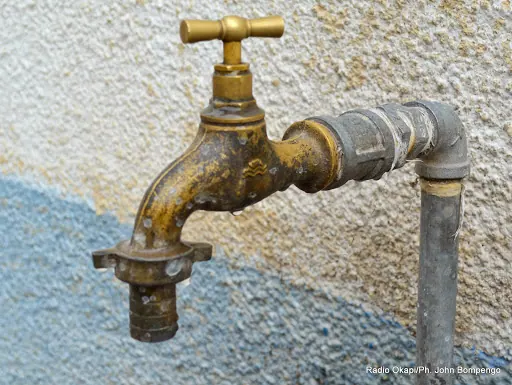
To address the water shortage, the Beni health zone office plans to drill new boreholes and install water reservoirs with the support of partners. Paluku Perusi, an official involved in community-based protection, announced that these efforts aim to provide healthcare structures with access to clean water and increase storage capacity. This development is expected to significantly improve hygiene conditions in local healthcare facilities.
The PPSSP is calling on partners to support infection prevention and control activities, as well as ensure the availability of essential medicines. This appeal comes as the healthcare sector continues to face numerous challenges in responding to the Ebola outbreak and other health crises in the region. Ensuring the safety of patients and healthcare workers remains a top priority.
The situation in Beni highlights the need for sustained investment in healthcare infrastructure and resources. Inadequate facilities and equipment hinder the ability of healthcare workers to provide quality care, putting patients and staff at risk. Addressing these gaps is crucial to preventing the spread of infectious diseases and ensuring effective healthcare delivery.
On September 17, World Patient Safety Day, healthcare professionals and organizations are emphasizing the importance of prioritizing patient and staff safety. The situation in Beni serves as a reminder of the work still needed to ensure that healthcare structures can provide safe and effective care. Efforts to address hygiene and water shortages, combined with support for healthcare workers, are essential to achieving this goal.
Key points
- Healthcare structures in Beni face significant hygiene and water shortages.
- The situation is particularly concerning in the context of the ongoing Ebola outbreak.
- Efforts are underway to address the shortages and improve patient and staff safety.