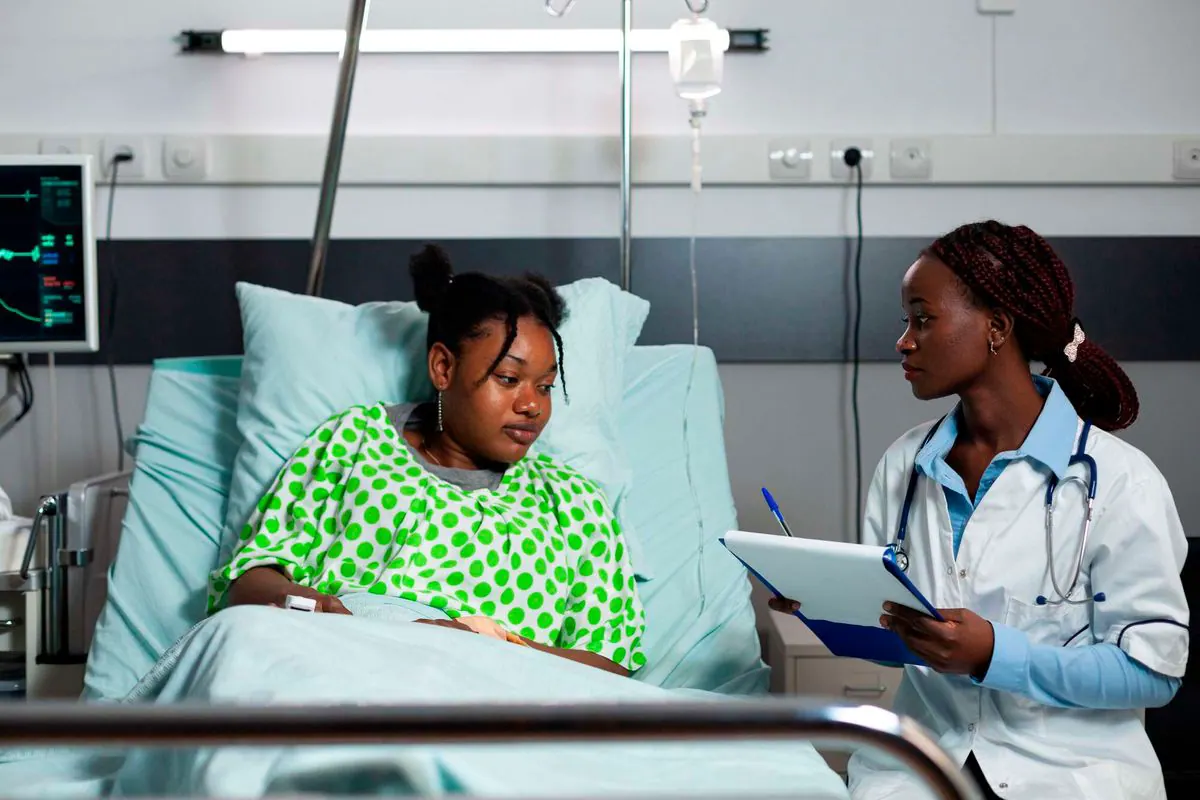
In many Kenyan homes, healthcare decisions are made in informal settings, such as the dining table or via phone calls from doctors. These decisions often involve relatives calculating what they can contribute to medical expenses. This can be a challenging and emotional experience, particularly for those caring for ageing parents or children in institutional care. The financial burden of healthcare can be significant, and it is often accompanied by concerns about dignity, duty, love, and fear.
The true value of health insurance in Kenya lies not only in its ability to pay medical bills, but also in providing peace of mind. This peace of mind enables individuals to seek treatment early, confident that vulnerable family members can receive care without every hospital visit becoming a financial emergency. However, many Kenyans struggle to access healthcare due to financial constraints, and this can have serious consequences for their health and wellbeing.
Kenya's healthcare conversation is evolving due to changes in Kenyan families. With parents living longer and more adults working in cities away from their rural homes, family support systems are being stretched. Many households now carry responsibilities across generations, supporting children, siblings, and ageing parents. Urbanisation, migration, and the rising cost of living are also testing traditional models of family-based care.
For older people in Kenya, the fear of illness is often compounded by the fear of dependency. Some may delay treatment or avoid check-ups because they know their families are already stretched. Ageing should not come with a loss of dignity, and a society that honours its elders must ask whether its systems protect them when they need care most. This requires a re-examination of healthcare financing and the development of more inclusive systems.
Children in institutional care in Kenya also face significant challenges in accessing healthcare. Their access to care should not depend on whether they live with both parents, attend a well-resourced school, or have an adult immediately available to mobilise funds. When these groups fall outside traditional protection systems, the problem is not only an insurance gap, but also a human dignity gap.
The next chapter of health financing in Kenya must be more human, recognising the diverse needs of different populations. This requires collaboration between government, private insurers, employers, and healthcare providers. Government has a central role in creating a strong universal foundation through social health insurance, primary healthcare, regulation, and protection for vulnerable households.
The future of healthcare financing in Kenya must be built around collaboration and a commitment to dignity and inclusion. Private insurers can complement public systems by creating products that are easier to understand and adapt to different stages of life. Employers and healthcare providers also have a role to play, particularly in supporting working adults who may be caring for both children and ageing parents.
Key points
- The true value of health insurance lies not only in paying medical bills, but also in providing peace of mind.
- Ageing should not come with a loss of dignity, and a society that honours its elders must ask whether its systems protect them when they need care most.
- The next chapter of health financing in Kenya must be more human, recognising the diverse needs of different populations.