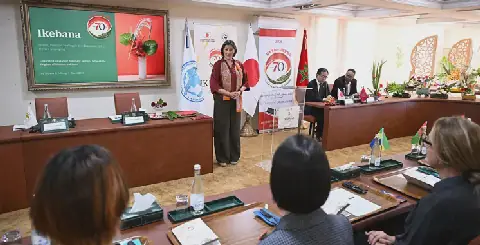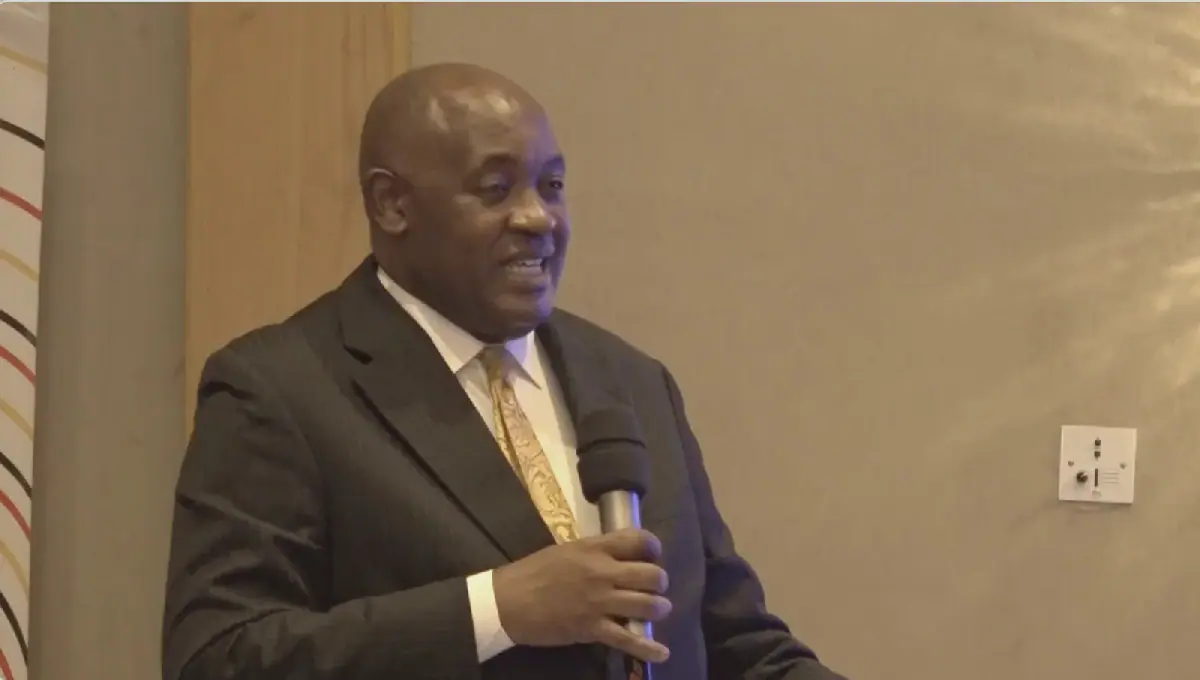
Uganda's Minister of Health, Dr. Chris Baryomunsi, has urged private companies to join the fight against malaria by incorporating prevention and control measures into their corporate programs. This call to action comes as the country continues to struggle with a significant malaria burden. According to reports, approximately 3,000 people die from the disease each year. The minister made these remarks during the inauguration of the new executive board of Malaria Free Uganda.
Malaria remains a major public health challenge in Uganda, with a high number of reported cases and deaths each year. The disease is a leading cause of morbidity and mortality in the country, particularly among vulnerable populations such as children under five and pregnant women. Dr. Baryomunsi emphasized the need for collective action beyond government efforts to combat the disease.
The minister's call to action is part of a broader strategy to engage the private sector in malaria prevention and control efforts. By integrating malaria prevention into their corporate programs, private companies can play a critical role in reducing the burden of the disease. This can include measures such as providing malaria testing and treatment services, promoting the use of insecticide-treated bed nets, and supporting community-based malaria prevention initiatives.
The inauguration of the new executive board of Malaria Free Uganda marks a significant milestone in the country's efforts to combat malaria. The board is expected to play a key role in coordinating malaria prevention and control efforts across the country. Dr. Baryomunsi expressed his hope that the board would work closely with the private sector and other stakeholders to achieve the goal of a malaria-free Uganda.
The private sector has a critical role to play in supporting malaria prevention and control efforts in Uganda. By partnering with the government and other stakeholders, private companies can help to leverage resources and expertise to combat the disease. This can include providing financial support, technical assistance, and other forms of support to malaria prevention and control initiatives.
Uganda has made significant progress in recent years in reducing the burden of malaria. However, more needs to be done to achieve the goal of a malaria-free country. The minister's call to action is part of a broader effort to mobilize resources and support to combat the disease. It is hoped that the private sector will play a key role in supporting these efforts.
The fight against malaria requires a collaborative effort from all stakeholders, including government, the private sector, and civil society. By working together, it is possible to achieve the goal of a malaria-free Uganda. The minister's call to action is a welcome development in this regard, and it is hoped that private companies will respond positively to the challenge.
Key points
- Dr. Chris Baryomunsi urges private companies to integrate malaria prevention into their corporate programs.
- Uganda reports approximately 3,000 malaria-related deaths each year.
- The private sector has a critical role to play in supporting malaria prevention and control efforts in Uganda.