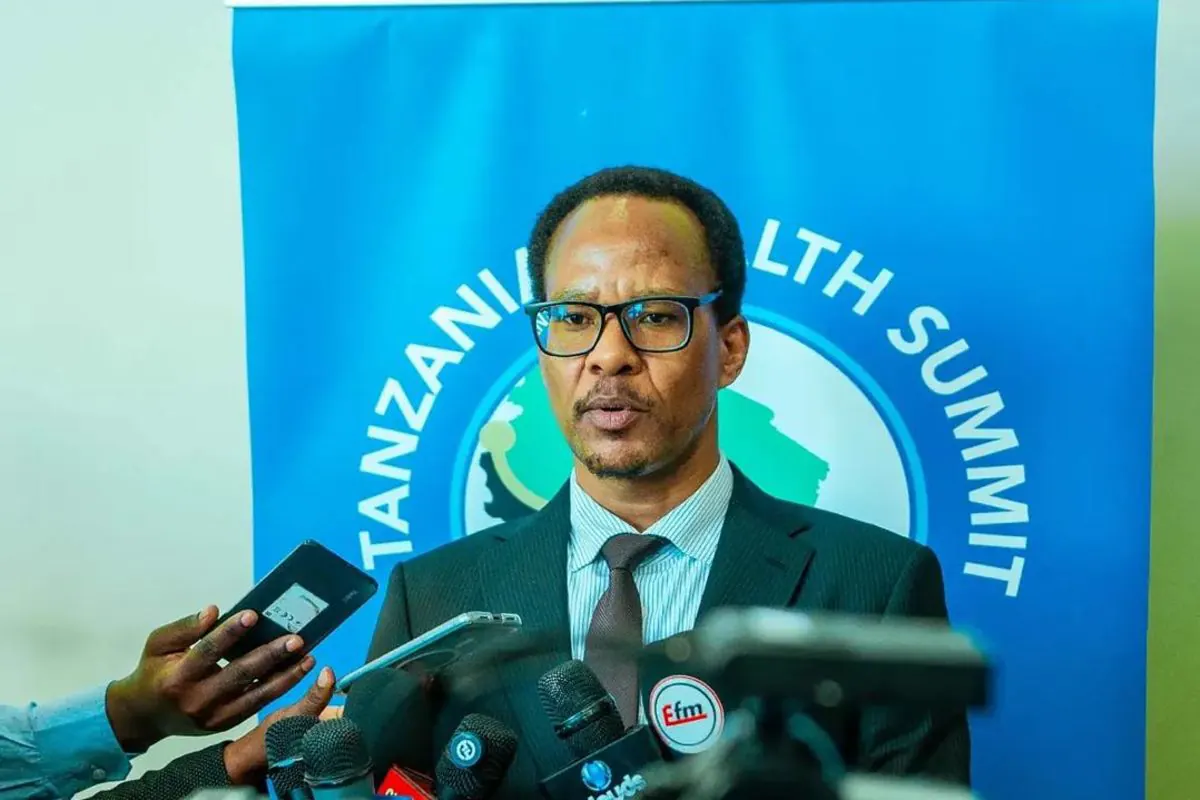
The 13th Tanzania Health Summit is set to take place from October 5-7 at the Mlimani City Conference Centre in Dar es Salaam. The event, themed "Building Health Sovereignty and Strengthening Health Systems in a Changing Global Order," aims to bring together over 2,000 participants and 350 institutions to discuss pressing health issues. With more than 40 platforms, 200 research presentations, and 70 innovation and medical-equipment exhibition booths, the summit promises to be a significant event in the health sector.
Director of Medical Services in the Ministry of Health, Dr. Hamad Nyembea, highlighted the challenges facing traditional sources of health financing, citing a decline in health aid globally. He emphasized the need for Tanzania to strengthen its capacity to finance and produce essential health commodities, including medicines, health products, and vaccines. Dr. Nyembea noted that attracting investment in health-product manufacturing requires reviewing laws and taxation policies that may discourage investors.
Technology will play a crucial role in the summit discussions, with Dr. Nyembea emphasizing its potential to improve healthcare delivery, strengthen evidence-based decisions, and enable faster responses to growing demand. He noted that digital systems can help address the changing disease burden in Tanzania, where systems designed to combat infectious diseases in the 1990s now need to respond more effectively to non-communicable diseases such as diabetes, hypertension, and cancer.
The summit will also examine Tanzania's preparedness for emerging diseases, particularly following the COVID-19 pandemic and other outbreaks. Dr. Nyembea highlighted the growing threat of new and emerging diseases, citing the rapid movement of people and advances in transport and communication as factors that increase the potential for diseases to spread rapidly. He emphasized the need for stronger detection and response systems to address these challenges.
The Government will use the summit to highlight progress in expanding healthcare access, with Dr. Nyembea noting that health facilities have increased from 10,105 in 2021/22 to 13,613 five years later. Emergency departments have also risen from 60 in 2021 to 70. He emphasized that summit recommendations will inform future action and strengthen collaboration between public and private-sector stakeholders.
Zanzibar will share its reforms aimed at making its health system financially sustainable while maintaining its commitment to free healthcare. Director of Medical Services in Zanzibar's Ministry of Health, Dr. Msafiri Marijani, noted that the islands have introduced universal health insurance in 2023 as part of efforts to sustain healthcare services. He emphasized the need for financial sustainability in healthcare, citing the reduction in resources and the need to prioritize and look at sovereignty and resilience.
Stakeholders have expressed their expectations for the summit, with D-tree Country Director Gloria Kahamba emphasizing that technology should not replace healthcare workers. Urban Care Zanzibar CEO Dr. Jenny Dietzold noted that the goal is to shorten referral pathways, while Cardinal Rugambwa Hospital's Michael Bryson highlighted the success of partnerships in the healthcare sector. The summit aims to provide a platform for stakeholders to share evidence, innovations, and practical solutions emerging from the health sector.
Key points
- The summit will focus on health financing, local production of medicines and vaccines, and stronger public-private partnerships.
- Tanzania needs to strengthen its capacity to finance and produce essential health commodities.
- Technology will play a crucial role in improving healthcare delivery and addressing the changing disease burden.