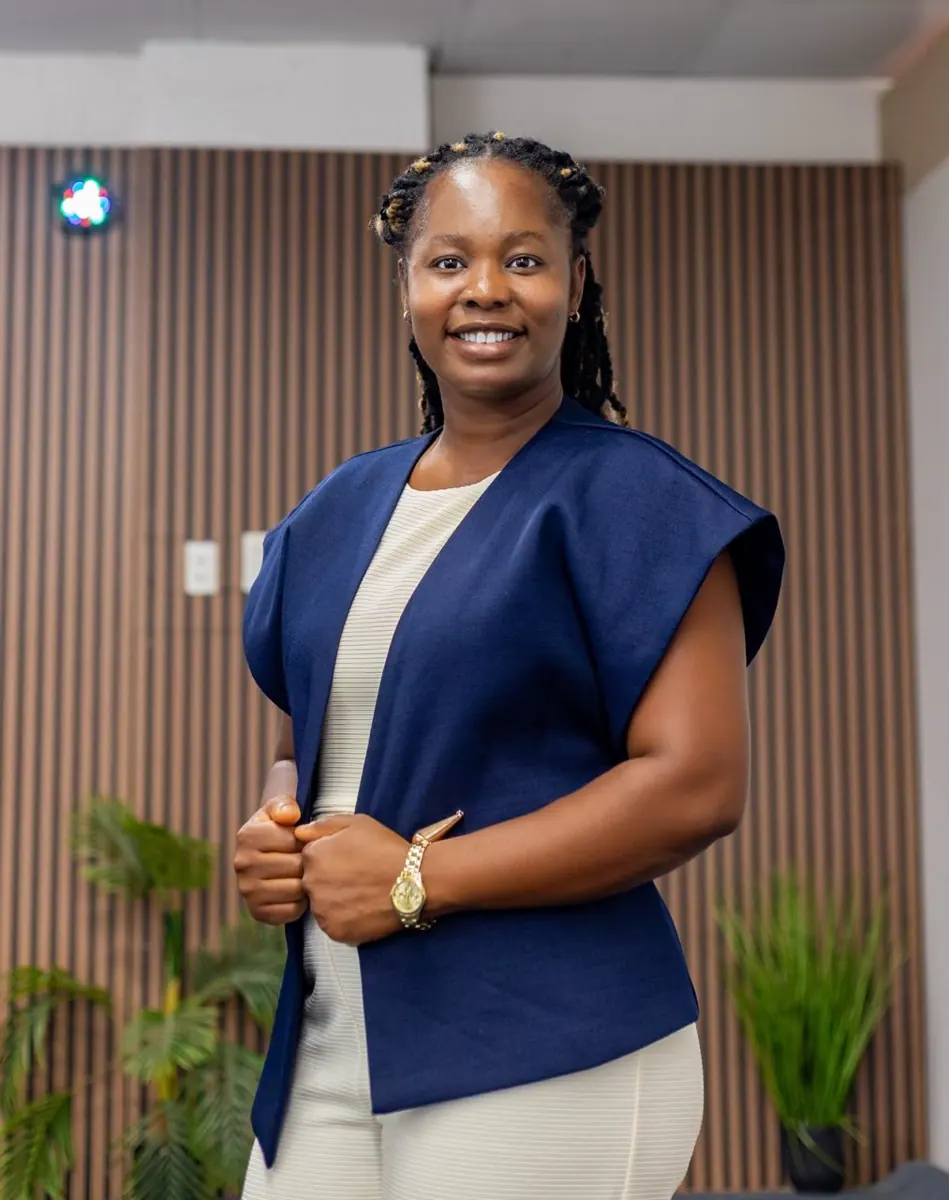
A Ghanaian health communicator, Madam Esther Korsah, has called for an end to the widespread myths linking cerebral palsy to curses and evil spirits. According to her, these beliefs, still prevalent among some healthcare providers and mothers, put the safety and dignity of children with cerebral palsy at risk. Madam Korsah made these remarks in an interview with the Ghana News Agency (GNA) to mark World Cerebral Palsy Day 2026 on October 6. She emphasized that cerebral palsy is a medical condition, not a result of witchcraft or spiritual forces.
Research conducted by Madam Korsah involved mothers of children living with cerebral palsy and healthcare workers. The study found that many attribute the condition to spiritual causes, including the idea that an affected child could be a supernatural being that has entered a woman's womb. Madam Korsah stressed that cerebral palsy is simply a neurological condition affecting movement, muscle tone, and posture. It results from an injury to the developing brain that can occur before birth, during delivery, or shortly after a child is born.
Madam Korsah, a Project ECHO-certified Hepatitis and Harm Reduction Specialist, highlighted that while cerebral palsy itself may create physical limitations, societal attitudes often compound these challenges. For instance, a child's difficulty walking becomes a bigger problem when schools are inaccessible, and speech difficulties become isolating when society decides they have nothing worthwhile to say. Mothers caring for children with cerebral palsy often face public staring and social exclusion.
The persistence of superstition-driven stigma makes daily life "difficult and dangerous" for children with cerebral palsy and their families, limiting their access to care, education, and social inclusion. Madam Korsah noted that Ghana has enacted legislation to protect persons with disabilities, but more needs to be done to dismantle practical barriers that keep affected children out of schools, public buildings, and transport systems.
Madam Korsah called for inclusive schools, accessible buildings and transport, improved data collection on cerebral palsy, and stronger support systems for caregivers, particularly mothers who often have to give up employment to care for their children. She urged the public to stop staring or mocking children with cerebral palsy and to refrain from whispering about mothers of affected children.
Small acts of inclusion can send a powerful message to families that they belong, Madam Korsah said. World Cerebral Palsy Day is marked globally on October 6 each year, with this year's theme being "Unique and United." The Ghana News Agency report did not specify any new government programs or policy announcements planned in response to Madam Korsah's concerns.
Madam Korsah's advocacy aims to raise awareness and promote understanding of cerebral palsy in Ghana. By addressing the stigma and myths surrounding the condition, she hopes to improve the lives of children with cerebral palsy and their families.
Key points
- Cerebral palsy is a neurological condition, not caused by spiritual forces or curses.
- Stigma and societal attitudes compound the challenges faced by children with cerebral palsy.
- Madam Korsah calls for inclusive schools, accessible infrastructure, and stronger support systems for caregivers.