The Sudanese Ministry of Health's General Administration for Health Emergencies and Epidemic Control has implemented a series of preventive and precautionary measures in the Al-Safwa and Al-Muwailih areas of Omdurman, Khartoum State. These efforts aim to limit the emergence and spread of epidemic diseases among internally displaced persons and those fleeing conflict zones in the Kordofan and Darfur regions.
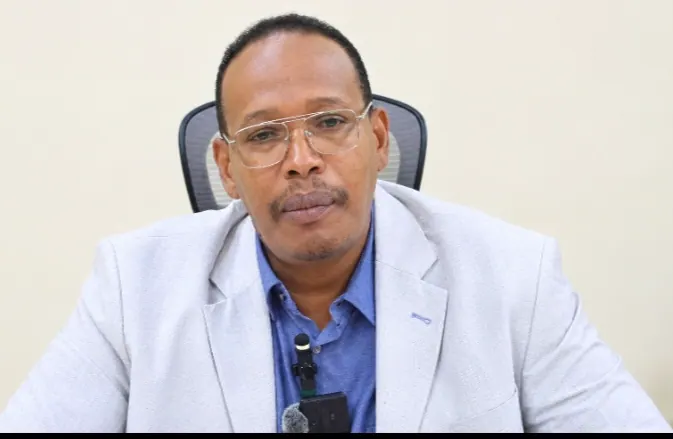
According to Dr. Mohamed Al-Tajani, Director of the General Administration for Health Emergencies and Epidemic Control, the health situation in the two areas, which host approximately 34,000 families, remains stable. This stability is attributed to the interventions carried out by the Ministry of Health through emergency response teams and field operations.
The interventions focus on two main areas: mobile clinics and rapid response teams. Four mobile clinics and three rapid response teams are operating in Al-Safwa and Al-Muwailih, providing health services and continuously monitoring the epidemiological situation. Dr. Al-Tajani reported that some cases of illness, including diarrhea, have been recorded but were brought under control through health interventions and the provision of necessary medical care.
The medical care provided includes examination and treatment by general practitioners, as well as nutrition services, health counseling, and psychological care. Additionally, efforts are being made to enhance water safety and promote healthy practices among the displaced populations. These comprehensive services aim to address the health needs of the affected communities.
Dr. Al-Tajani emphasized that continuous field monitoring and epidemiological surveillance are being conducted in the targeted areas. This proactive approach enables the early detection of any potential epidemic cases and facilitates swift intervention to prevent their spread. The goal is to strengthen preventive and health measures among the displaced populations.
The health emergency response efforts in Khartoum State reflect a coordinated approach to managing the health risks associated with displacement and conflict. By bolstering health services and surveillance, the Ministry of Health aims to mitigate the impact of potential epidemics and ensure the well-being of vulnerable populations.
The situation in Al-Safwa and Al-Muwailih is being closely monitored, with a focus on sustaining the current stable health situation. The interventions undertaken by the General Administration for Health Emergencies and Epidemic Control demonstrate a commitment to protecting the health of displaced persons and preventing the spread of diseases in these areas.
Key points
- Sudanese health authorities are actively monitoring and responding to potential health threats among 34,000 displaced families in Khartoum State.
- Interventions include mobile clinics, rapid response teams, and comprehensive health services to address the needs of affected communities.
- Continuous field monitoring and epidemiological surveillance are being conducted to enable early detection and swift intervention in case of potential epidemics.