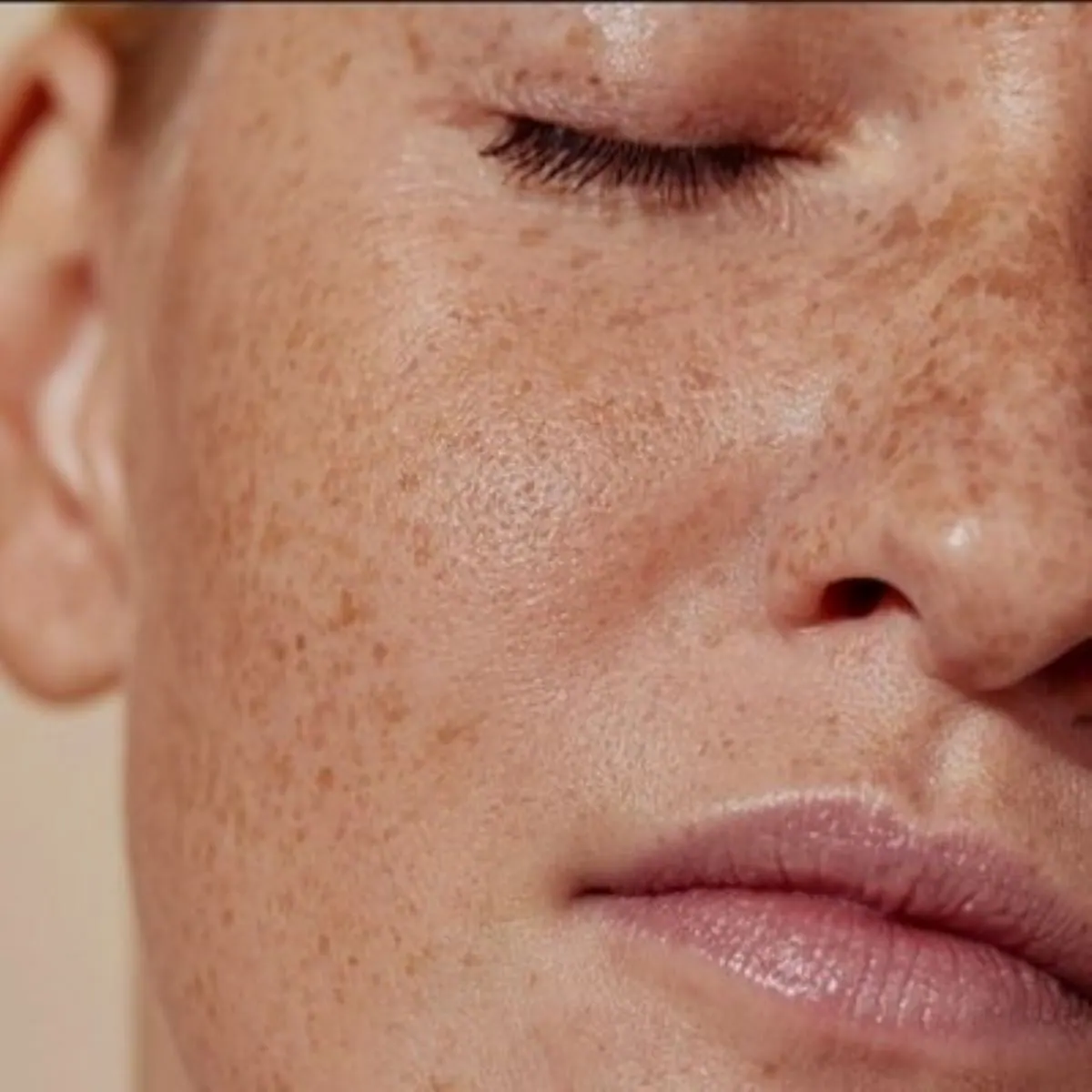
Sun exposure can cause skin to become red, painful, dry, and irritated. For some individuals, the effects of sunburn do not end when the sunburn disappears. Dark patches can remain on the affected areas for several months. This darkening occurs because inflammation from sunburn stimulates the skin to produce more melanin, the pigment responsible for skin color. The resulting dark patches are often known as post-inflammatory hyperpigmentation.
The problem of hyperpigmentation can be particularly noticeable in people with darker skin because their skin naturally contains more melanin and may respond to inflammation by producing additional pigment. However, the good news is that sun-related hyperpigmentation can often fade with time. Allowing the damaged skin to heal, avoiding further irritation, and protecting it from additional ultraviolet exposure are crucial steps. Trying to remove the dark patches too quickly can have the opposite effect, as irritating already damaged skin can trigger more inflammation and potentially make the pigmentation darker.
To care for sun-damaged skin, the first step is to get out of the sun. A cool bath or shower can help reduce the heat and discomfort associated with sunburn. A cool, damp cloth can also be placed over the affected area for several minutes at a time. The water should be cool rather than extremely cold, to make the skin more comfortable without causing another form of irritation. After bathing, gently pat the skin dry instead of rubbing it, as sunburned skin is already inflamed and sensitive.
Aloe vera is commonly used to soothe sunburned skin. The American Academy of Dermatology recommends applying a moisturizer containing aloe vera or soy to sunburned skin while it is still slightly damp. This can help soothe the skin and reduce dryness. It is essential to choose a gentle product and stop using it if it causes burning, stinging, or worsening irritation. Freshly sunburned skin does not need an aggressive collection of treatments; it needs simple, gentle care.
Keeping the skin moisturized is also essential, as sunburn can leave the skin extremely dry and tight. Applying a gentle moisturizer to the affected area, particularly after bathing while the skin is still slightly damp, can help reduce dryness and discomfort. Avoid products that cause significant stinging or irritation. The goal during this stage is to allow the skin barrier to recover before introducing products specifically intended to treat dark spots.
It is crucial to protect healing skin from the sun, as sun protection is one of the most important steps in preventing sunburn-related hyperpigmentation from becoming darker. Once the skin has been damaged, exposing it to more ultraviolet radiation can prolong the damage and encourage additional pigment production. When outdoors, protect the affected area with clothing where possible and stay in the shade. Use a broad-spectrum sunscreen with an SPF of at least 30 on exposed skin.
Finally, it is essential to be patient with hyperpigmentation and know when to see a dermatologist. Sun-related hyperpigmentation can often fade with time, but if the dark patches persist or worsen, it may be necessary to seek medical attention. A dermatologist can provide guidance on how to care for sun-damaged skin and recommend treatments to reduce the appearance of hyperpigmentation.
Key points
- Sunburned skin needs gentle care, including cooling, moisturizing, and protecting from the sun.
- Avoid irritating already damaged skin, as this can trigger more inflammation and worsen hyperpigmentation.
- Sun protection is crucial in preventing sunburn-related hyperpigmentation from becoming darker.