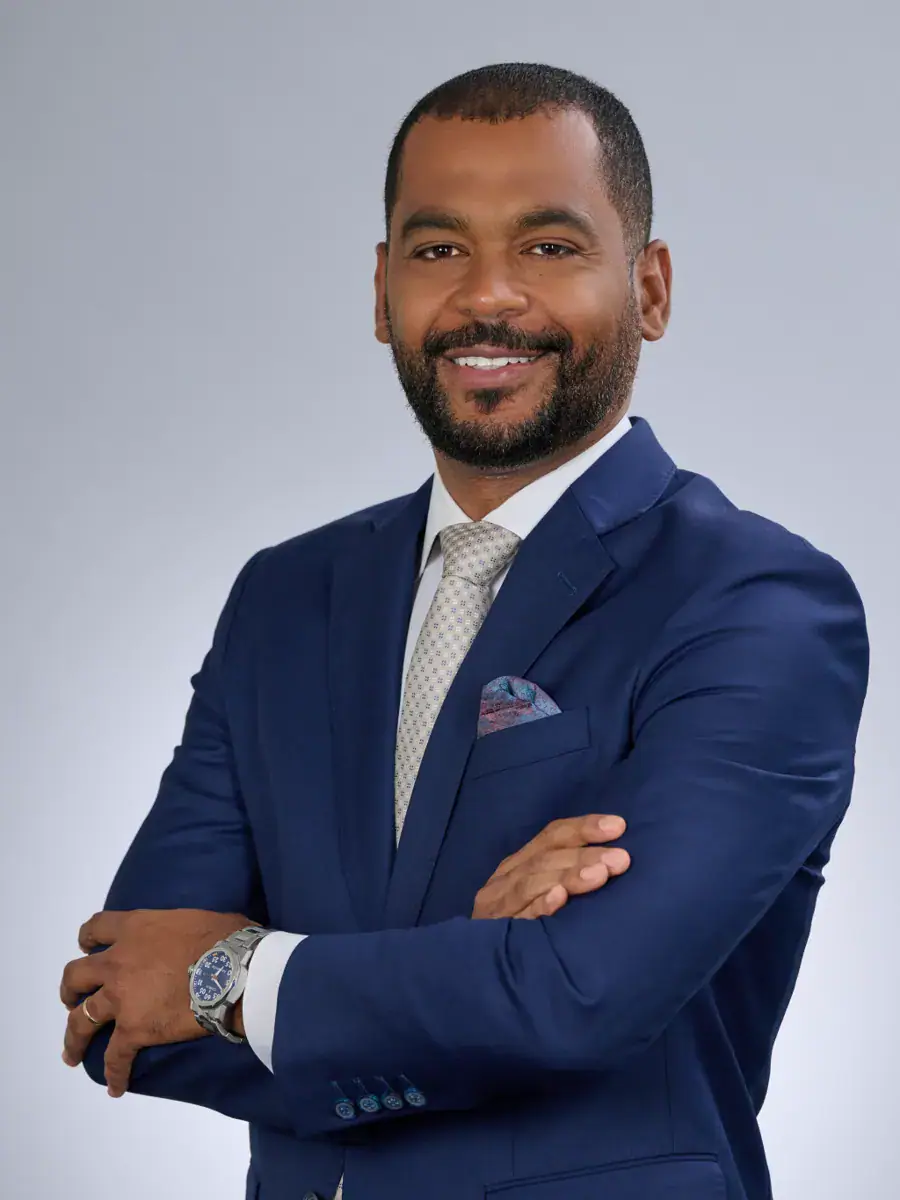
Harold Tavares, the outgoing Executive Director of the World Bank Group, has emphasized that employment is the biggest future challenge for Africa. Tavares, who represents 23 countries in Sub-Saharan Africa, including Cabo Verde, Guinea-Bissau, São Tomé and Principe, and Equatorial Guinea, made these remarks during his last public intervention at the Lusophone Africa Investment Forum in Sal. He highlighted the need for a stronger voice for African countries in international institutions.
Tavares noted that when he assumed the position, his goal was to align priorities and give a voice to the 22 countries he represents. He described the group as having the most significant challenges, including small island states, countries affected by conflict and violence, and those vulnerable to climate change and external shocks. Tavares stressed the importance of multilateralism and international institutions in addressing these challenges. He cited the example of the International Development Agency (IDA), which has exceeded record numbers, with over $100 billion in funding, 60% of which goes to Africa.
The World Bank has made significant progress in mobilizing private capital, with a increase from $35 billion in 2022 to $112 billion in 2026. Of this amount, $23 billion is set to be invested in Africa. Tavares emphasized that the focus is on investing in the private sector, particularly in job creation, and sectors such as tourism and agribusiness. He identified confidence, strong institutions, stability, and predictability as essential elements to attract private investment.
Tavares highlighted the potential of the Lusophone community, with 77 million people, as a market that can inspire confidence in investors. He also cited the example of the Lobito corridor, which has brought significant investment to Angola, and suggested that a similar corridor could be created along the Atlantic coast, connecting the ports of Lusophone African countries. This, he believes, could promote economic and commercial ties between the countries.
The employment challenge is a pressing issue in Africa, and Tavares believes that it is also an opportunity to combat poverty. He emphasized that Africa's greatest asset is not its natural resources, but its people. The continent needs to create sustainable and sufficient jobs to address the challenge. Tavares also stressed the need for African countries to have a stronger voice in international institutions, such as the World Bank, to address these challenges.
Tavares' term as Executive Director has seen significant progress, particularly in increasing private sector investment in Africa. He believes that the continent has enormous potential, but it requires a stronger voice in international institutions and more investment in job creation. The outgoing Executive Director expressed his gratitude for the opportunity to serve and reflected on the challenges and opportunities ahead for Africa.
As Tavares prepares to leave his position, he emphasized that Africa's future depends on its ability to create jobs and promote economic growth. He encouraged the continent to work together to address these challenges and seize opportunities. The Lusophone Africa Investment Forum provided a platform for Tavares to share his insights and vision for Africa's future.
Key points
- Employment is the biggest future challenge for Africa.
- African countries need a stronger voice in international institutions.
- Private sector investment is crucial for job creation and economic growth in Africa.
Reporting sources
- Harold Tavares - “O emprego é o maior desafio futuro de África” · Expresso das Ilhas