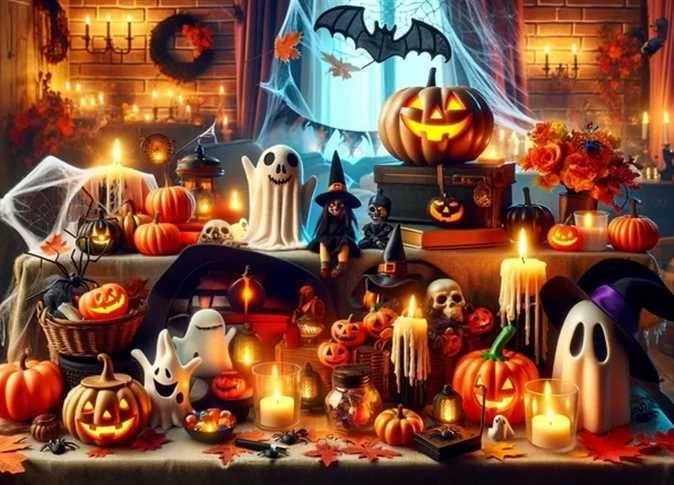
On a night when streets and homes are adorned with dim lights and lanterns carved into eerie faces, millions of people around the world celebrate Halloween. The festivities bring together a mix of fun, masquerade, and supernatural themes. Children dress up as ghosts, witches, and terrifying characters, marking the occasion with excitement and anticipation. Halloween, also known as "All Hallows' Eve," has its roots in ancient Celtic traditions.
The origin of Halloween dates back to the Celtic festival of Samhain, which marked the end of the harvest season and the beginning of winter. The Celts believed that on this night, the boundary between the living and the dead became blurred, and spirits of the deceased could return to the world of the living. To ward off evil spirits, people would light bonfires and wear costumes that mimicked supernatural beings.
Over time, Halloween evolved and merged with Christian traditions, particularly All Saints' Day on November 1. The evening before became known as "All Hallows' Eve," which later transformed into "Halloween." As European immigrants traveled to the United States, they brought their customs and traditions with them, shaping the modern celebration of Halloween.
One of the most iconic symbols of Halloween is the carved pumpkin, known as a Jack-o'-lantern. This tradition is believed to have originated from an Irish legend about a man named Stingy Jack, who was doomed to roam the earth with only a lantern made from a turnip. When Irish immigrants arrived in the United States, they found that pumpkins were more abundant and easier to carve than turnips.
Trick-or-treating is another popular Halloween tradition, particularly among children. Dressed in costumes, kids visit their neighbors, asking for treats, usually candy or chocolates. This custom is thought to have originated in the Middle Ages, when poor people would go door-to-door, asking for food and other treats in exchange for praying for the dead.
Halloween has become a significant cultural and commercial phenomenon, with people around the world embracing the celebration. The film industry, television, and social media have contributed to its global popularity, making Halloween a major event in many countries. In the United States, Halloween is a major holiday, with billions of dollars spent on costumes, decorations, and candy.
Today, Halloween is celebrated in many countries, often with unique twists and local flavors. While some countries have adopted the tradition with enthusiasm, others have been slower to embrace it. Nevertheless, Halloween remains a widely recognized and enjoyed celebration, symbolizing a mix of fun, fantasy, and supernatural themes that captivate people of all ages.
Key points
- Halloween originated from the Celtic festival of Samhain.
- The tradition of carving pumpkins is believed to have come from an Irish legend about Stingy Jack.
- Trick-or-treating is a popular Halloween tradition, particularly among children.