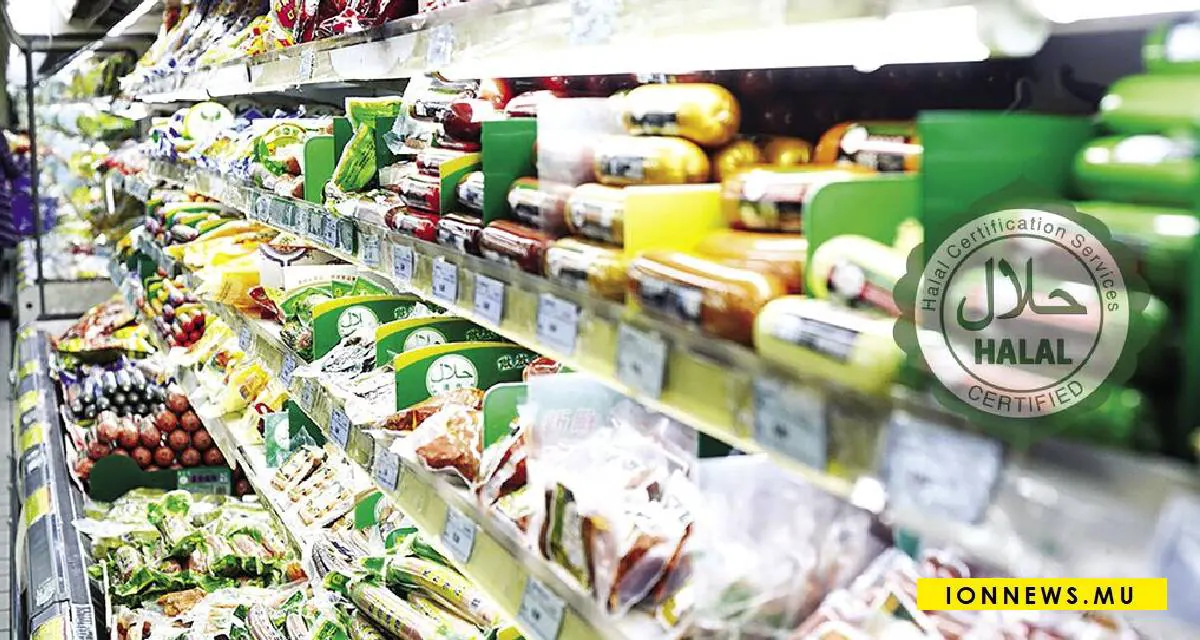
The concept of halal, derived from the Arabic term for "permissible" or "licit," encompasses a set of rules governing food and lifestyle choices in Islamic jurisprudence. While often associated with the prohibition of pork and alcohol, halal standards extend to the entire food transformation process. This includes ritual slaughter, which requires precise technique, prior animal health, and complete bleeding, as well as the composition of additives. The goal is to ensure the purity of the final product while preventing cross-contamination.
The halal industry has evolved beyond its religious roots to become a global standard for hygiene and quality. According to a report by Global Market Insights, the worldwide halal food market has surpassed $1.15 trillion, driven by steady growth. This expansion is not solely driven by demographic trends; an increasing number of consumers across faiths prefer halal products due to their strict traceability standards, exclusion of unauthorized solvents, and attention to animal welfare during production.
As global trade increases, certification has become a critical industrial issue. Regional organizations and international bodies, such as the SMIIC (Standardization and Metrology Institute for Islamic Countries), work to harmonize standards and regulate the distribution chain, from laboratories to supermarket shelves. This encompasses not only meat products but also processed foods and cosmetics. The halal label has become an indicator of industrial transparency, meeting modern expectations for food safety.
The halal certification process involves rigorous evaluation of production processes, from animal welfare to manufacturing and handling practices. This scrutiny ensures that products meet the required standards, providing assurance to consumers. The growing demand for halal products has led to increased investment in certification and compliance, as companies seek to access this lucrative market.
The global halal market is driven by diverse consumer preferences, including those seeking high-quality, safe, and sustainable products. As awareness of halal standards grows, more consumers are choosing products that meet these criteria, regardless of their faith. This trend is expected to continue, driving growth in the halal industry.
To address the increasing demand for halal products, regulatory bodies and industry stakeholders are working together to develop and implement harmonized standards. This collaboration aims to facilitate trade, ensure consumer protection, and promote fair competition. By establishing common frameworks, the industry can ensure consistency and transparency in halal certification.
As the halal industry continues to grow, it is likely to have a significant impact on global food production and trade. With its focus on quality, safety, and transparency, the halal standard has the potential to raise industry benchmarks and promote best practices. Key players in the industry will need to adapt to evolving consumer expectations and regulatory requirements to remain competitive.
Key points
- The global halal food market has surpassed $1.15 trillion, driven by steady growth and increasing demand for high-quality, traceable products.
- Halal certification has become a critical industrial issue, with regulatory bodies and industry stakeholders working to harmonize standards and regulate the distribution chain.
- The halal label has become an indicator of industrial transparency, meeting modern expectations for food safety and driving growth in the industry.