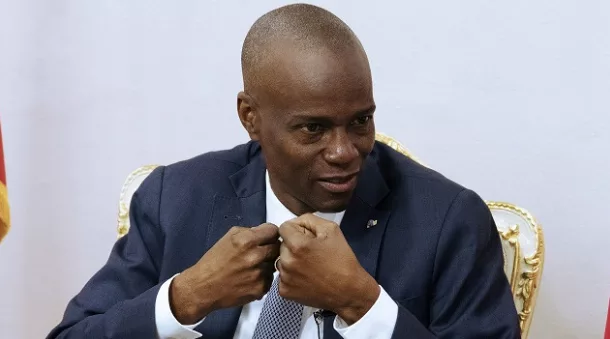
Eighteen individuals have been extradited from Haiti to the US state of Florida to face trial for their alleged roles in the assassination of Haitian President Jovenel Moise in July 2021. Moise was shot dead at his residence in Port-au-Prince, the capital of Haiti, by a group primarily consisting of Colombian mercenaries. This extradition marks a significant step in the pursuit of accountability for the presidential assassination.
Previous investigations into the assassination in Haiti have stalled due to widespread gang control and lawlessness in the country. The dire state of the Haitian justice system has necessitated US prosecutors to take the lead in bringing the suspects to trial in Florida. US Attorney for the Southern District of Florida, Jason Reding Quiñones, emphasized that this extradition is part of an ongoing effort to bring those involved to justice.
The extradited individuals include 17 Colombian ex-soldiers and Joseph Badio, a senior member of the then-Haitian Government who worked in an anti-corruption unit at the country's justice ministry. US prosecutors allege that the planning and financing of Moise's assassination were orchestrated from Florida, as well as the Dominican Republic and Haiti itself. A Miami-based security firm is also accused of playing a key role in hiring the Colombian ex-soldiers.
The assassination of President Moise shocked Haiti to its core, with many finding it difficult to comprehend how the 53-year-old president was killed with such apparent ease. Several men connected to the murder were killed by police at the time, while four people were convicted in a Miami court in May for their part in the conspiracy. The convicted individuals faced charges including conspiracy to kill or kidnap Moise and conspiracy to provide material support for the killing.
The Colombian former soldiers have claimed they were mercenaries who believed they were participating in a coup but were unaware of the intention to murder Moise. They face possible life sentences if convicted. The extradition and ongoing trials underscore the commitment of US authorities to bringing all participants in the plot to justice, as emphasized by FBI special agent Brett Skiles.
Haiti has been experiencing a surge in gang violence since Moise's assassination. According to the UN Integrated Office in Haiti, at least 1,408 people were killed and 656 injured from April to June this year. The country is set to hold its first presidential and legislative election since 2016 on December 13, provided the security situation allows.
The US Attorney for the Southern District of Florida noted that 30 suspects have been indicted over the killing so far, and efforts to bring them to justice are ongoing. The extradition of the 18 suspects is a significant development in the case, and it is expected that the trials will shed more light on the circumstances surrounding President Moise's assassination.
Key points
- Eighteen suspects have been extradited from Haiti to Florida to face trial for their alleged roles in the assassination of Haitian President Jovenel Moise.
- The assassination of President Moise occurred in July 2021, and previous Haitian investigations have stalled due to gang control and lawlessness.
- The suspects face possible life sentences if convicted of their alleged roles in the assassination conspiracy.