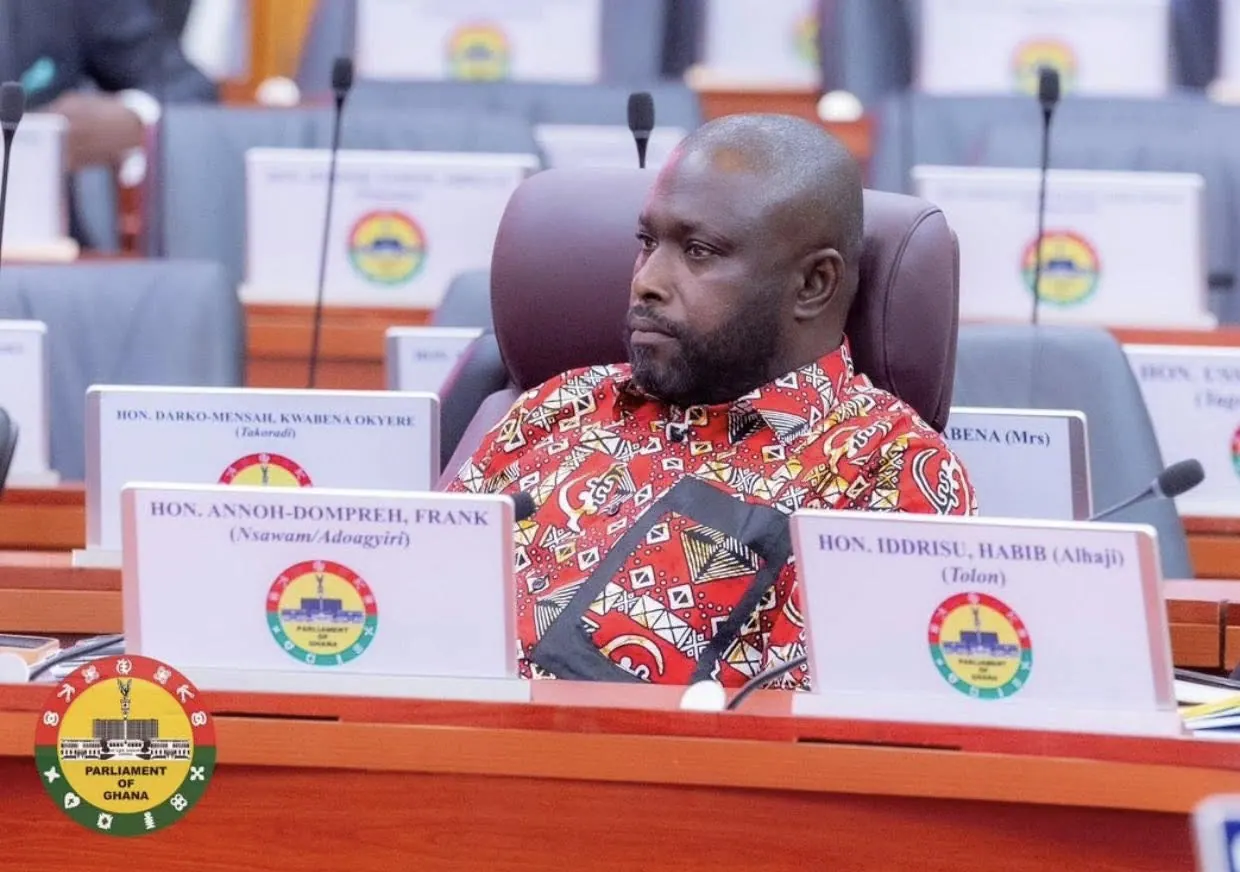
Deputy Minority Chief Whip Habib Iddrisu has disputed Speaker Alban Bagbin's decision to reject the Minority's motion seeking a parliamentary inquiry into Ghana's alleged role in the international drug trade. The Tolon MP argued that the Constitution's provisions, particularly Articles 103(3) and 103(6), grant Parliament the power to investigate, which should not be superseded by the Standing Orders.
The Speaker had cited ongoing investigations by state security agencies and cases already before the courts as reasons for rejecting the motion. However, Mr. Iddrisu pointed to the Kpandai matter as an example of Parliament acting despite an issue being before the courts. He noted that the Speaker had made a ruling on the Kpandai case despite a court case being ongoing.
The Minority's motion was in response to major cocaine seizures linked to Ghana and allegations that the country was becoming a transit point for illicit drugs. The motion sought to scrutinize the circumstances surrounding the seizures and Ghana's role in the international drug trade. The Speaker rejected the motion, relying on Standing Order 101(3)(F), which restricts motions relating to matters before the courts.
Habib Iddrisu quoted the provision but argued that it must be considered alongside Parliament's constitutional investigative mandate. He emphasized that Article 103(3) states that a committee of Parliament shall be charged with investigating and enquiring into activities, administration of ministers, departments, and proposals for legislation.
The Deputy Minority Chief Whip expressed surprise at the Speaker's decision, stating that it was the exact reason for Parliament's recall. He emphasized that the existence of court proceedings did not automatically prevent the Speaker from exercising parliamentary authority.
The Kpandai case, according to Habib Iddrisu, sets a precedent for Parliament to act despite ongoing court cases. He questioned the Speaker's decision, citing the need for Parliament to discharge its duties. The Minority had recalled Parliament to demand scrutiny of the circumstances surrounding the seizures and Ghana's role in the international drug trade.
Habib Iddrisu's challenge to the Speaker's decision has sparked debate on the limits of Parliament's investigative powers. The issue raises questions about the balance between Parliament's constitutional mandate and the need to respect ongoing court cases.
Key points
- Habib Iddrisu disputes Speaker Alban Bagbin's decision to reject the Minority's motion seeking a parliamentary inquiry into Ghana's alleged role in the international drug trade.
- The Deputy Minority Chief Whip argues that the Constitution's provisions grant Parliament the power to investigate, which should not be superseded by the Standing Orders.
- The Kpandai case is cited as a precedent for Parliament to act despite ongoing court cases.