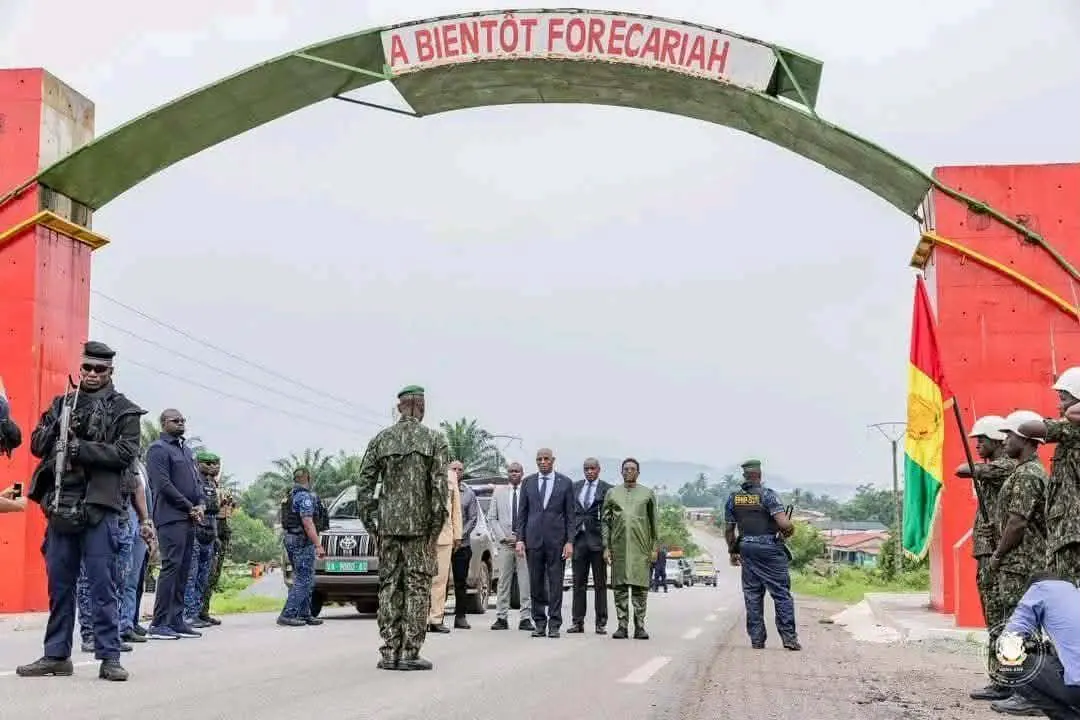
The people of Forécariah, Guinea, gathered to commemorate the 68th anniversary of the country's historic 'No' to a 1958 referendum. On September 28, 1958, Guinea made a pivotal decision that would shape its future, opting for sovereignty and independence from France. This choice was a significant milestone in the country's struggle for self-governance and nationhood. The referendum's outcome reflected the aspirations of the Guinean people for emancipation and national sovereignty.
According to Ibrahima Sory Tibra Touré, the 'No' vote was a crucial step towards Guinea's independence, which was proclaimed just a few days later. This decision opened the door to a new era in the construction of the Guinean state. The referendum's result marked a turning point in Guinea's history, as the country began to build its institutions and forge its own path. The 'No' vote was a bold statement of the Guinean people's desire for self-determination.
Oumar Kondel Barry, another key figure, highlighted the significance of this date in Guinea's history. He noted that the 1958 referendum allowed Guinea, then a French colony, to embark on the path to sovereignty and establish the foundations of the Republic. This period marked the beginning of a new chapter in Guinea's development, as the country started to build its institutions and assert its independence.
The commemoration of the 1958 referendum is also an opportunity for the younger generation to learn about Guinea's history and heritage. Oumar Kondel Barry emphasized the importance of transmitting this historical memory to the next generation. The National Independence Week, which coincides with the anniversary of the referendum, serves as a platform to share the stories and experiences of those who fought for Guinea's independence.
Sixty-eight years after the referendum, the 'No' vote remains a defining moment in Guinea's history. The decision has had a lasting impact on the country's development and its people's sense of identity. As Guinea continues to grow and evolve, its people remain proud of their heritage and the courageous decision made by their ancestors.
The commemoration of the 1958 referendum is a testament to the enduring legacy of Guinea's independence movement. The country's journey towards self-governance was marked by significant milestones, including the 1958 referendum. As Guinea looks to the future, its people remain committed to the principles of sovereignty and self-determination that guided their ancestors.
The anniversary of the 1958 referendum serves as a reminder of the importance of preserving historical memory and sharing it with future generations. As Guinea continues to navigate the complexities of modern governance, its people remain mindful of the sacrifices made by those who fought for their independence. The 'No' vote of 1958 will forever be remembered as a pivotal moment in Guinea's history.
Key points
- The 1958 referendum marked a significant turning point in Guinea's history, as the country opted for sovereignty and independence from France.