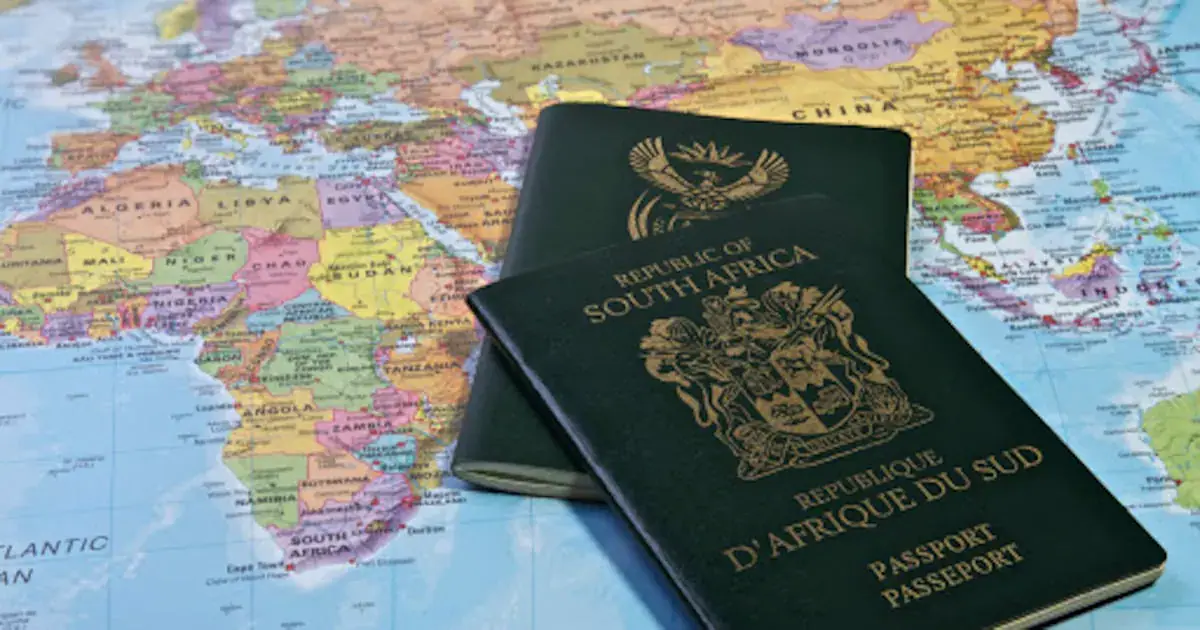
The Department of Home Affairs in South Africa has significantly expanded its passport application services by partnering with 480 bank branches across the country. This move, announced by Minister Leon Schreiber, increases the total number of service points to 708 nationwide, a substantial rise from the previous 228 home affairs offices. This expansion allows South Africans older than 18 to apply for passports outside the traditional home affairs network for the first time.
The new service is part of the department's digital partnership with the banking sector, under its "home programme". This initiative follows the successful launch of Smart ID replacements at banks on March 9, which has processed over 1.16-million applications and is now active at 833 branches. The passport service mirrors the Smart ID model, offering a streamlined process with no prior online booking, no paper forms to complete at the branch, and no queues at the department of home affairs.
Minister Leon Schreiber emphasized that the expansion marks a significant break from the past, where home affairs services were often associated with early-morning queues, offline systems, and lengthy travel times, especially in rural areas. The newly launched passport service aims to provide a more efficient and accessible experience for citizens. With the launch timed ahead of the December travel peak, the department expects to handle the typically high demand for passports during this period.
The department plans to further enhance its services by introducing first-time Smart ID applications, passport applications for minors at banks, and secure courier delivery of both Smart IDs and passports to applicants' homes. These upcoming initiatives are part of a broader strategy to improve service delivery and make home affairs services more accessible and convenient for all citizens.
The expansion of passport services to bank branches is seen as a strategic move to increase the department's capacity and reduce backlogs. By leveraging the existing network of bank branches, the department can reach a wider audience and provide services to more citizens. This partnership with the banking sector is expected to enhance the overall efficiency and effectiveness of home affairs services.
Citizens who have long struggled with the traditional home affairs system are likely to benefit from this expanded service. The elimination of early-morning queues and offline systems, combined with the increased accessibility of services, is expected to improve the overall experience for passport applicants. As the department continues to roll out new services and enhancements, citizens can expect a more streamlined and efficient process for obtaining essential documents.
The success of the Smart ID replacement service, which has processed over 1.16-million applications, demonstrates the potential for similar success with the passport service. As the department moves forward with its plans to introduce additional services, it is likely that more citizens will be able to access essential documents in a timely and efficient manner. The partnership with the banking sector is a key component of this strategy, enabling the department to reach a wider audience and provide high-quality services to more citizens.
Key points
- The Department of Home Affairs has tripled its passport application service points to 708 nationwide by partnering with 480 bank branches.