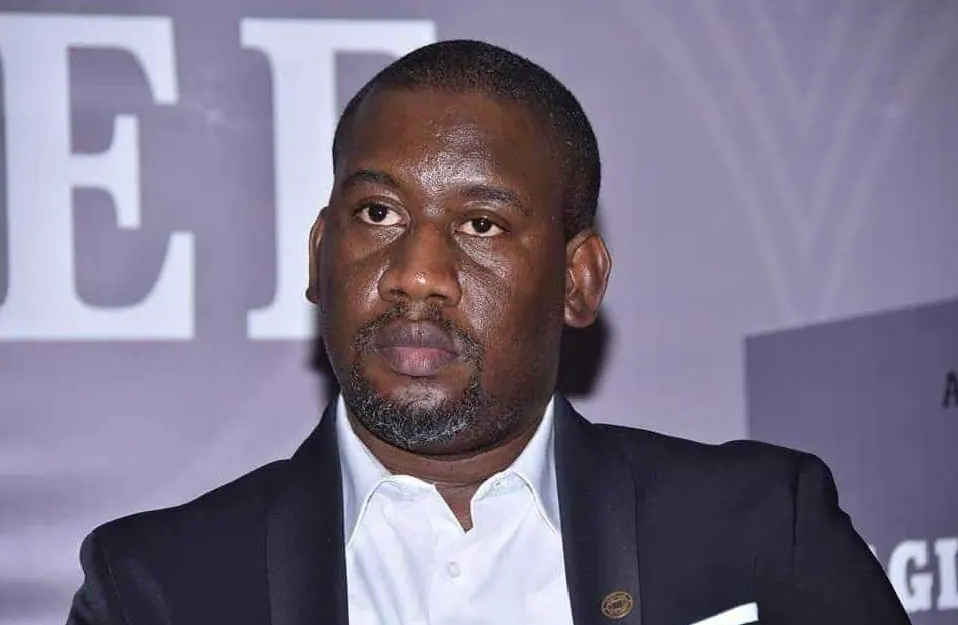
Guinean President Mamadi Doumbouya has granted a presidential pardon to opposition leader Aliou Bah, who was serving a two-year prison sentence for "offense and defamation" against the head of state. The pardon was announced on October 2, as part of a larger gesture of clemency that benefited 217 inmates. Aliou Bah, president of the Mouvement démocratique libéral (MoDel), had been incarcerated since December 2024 and was initially set to be released in December, upon completion of his sentence.
The pardon was read out on state television by General Amara Camara, minister secretary general of the presidency. Aliou Bah's sentence was handed down in January 2025, following an appeal. His case drew widespread attention from human rights organizations, which criticized the verdict as an attack on freedom. Alseny Sall, head of the Organisation guinéenne pour la défense des droits de l'homme, had denounced the sentence as "a triumph of arbitrariness against liberty".
The case was also being pursued through the judicial system of the Economic Community of West African States (ECOWAS). On September 25, the ECOWAS Court of Justice requested that the Guinean Supreme Court order Aliou Bah's "immediate and unconditional" release. The presidential pardon comes just days after this request from the regional judicial body.
Aliou Bah's pardon marks a significant development in a case that had sparked concerns about the rule of law and human rights in Guinea. The opposition leader's detention had been widely seen as a test of the country's commitment to democratic principles and freedom of expression. The circumstances surrounding his arrest and sentencing had drawn criticism from human rights groups.
The Guinean government's decision to grant Aliou Bah a pardon has been seen as a positive step towards addressing concerns about the country's human rights record. The move is likely to be welcomed by human rights organizations and other advocates for democratic reform in Guinea. Further details about the pardon and its implications for Guinean politics remain to be seen.
President Mamadi Doumbouya's decision to grant clemency to Aliou Bah and 216 other inmates was announced on the occasion of Guinea's independence celebrations. The gesture is being viewed as an effort to promote national reconciliation and address concerns about the country's judicial system. It remains to be seen how the pardon will affect Aliou Bah's future role in Guinean politics.
The case of Aliou Bah highlights the complex challenges facing Guinea as it navigates its transition to democratic governance. The country's leaders face ongoing pressure to strengthen institutions, promote human rights, and ensure accountability. The presidential pardon of Aliou Bah is a significant development in this context, and its implications will be closely watched by observers of Guinean politics.
Key points
- President Mamadi Doumbouya grants pardon to opposition leader Aliou Bah
- Aliou Bah was serving a two-year sentence for "offense and defamation" against the head of state
- The pardon was part of a larger gesture of clemency benefiting 217 inmates