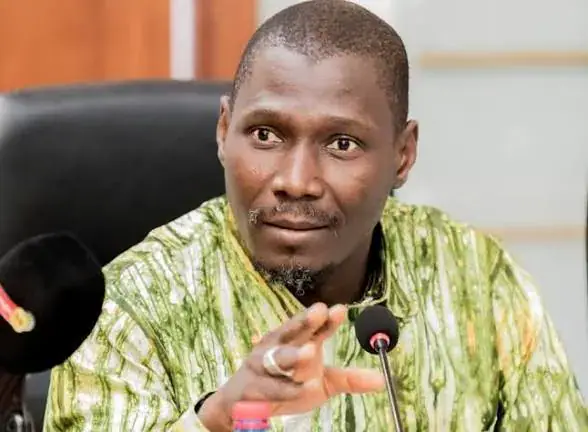
Guinean jurist Sayon Mara has sparked a heated debate on social media with his recent comments on the hierarchical view of languages in Africa. Mara argues that the notion that one language is superior to another is a typically African complex. He believes that this mindset is rooted in the idea that a particular language, often a foreign one, is considered more prestigious or spiritual.
In a strongly worded statement, Mara asserts that all languages are human creations, and as such, they are equal in the eyes of God. He emphasizes that no language is divine by essence, and that Africans should not devalue their native languages in favor of foreign ones. Mara's comments have resonated with many, who see his message as a call to action to promote and value national languages.
Mara's statement has reignited the debate on the role of national languages in education, administration, and public life in Guinea and beyond. The jurist's words have been met with enthusiasm by those who advocate for the use of local languages in various aspects of life. This issue has long been a subject of discussion in Guinea, where many languages are spoken, and the use of French, a colonial language, remains widespread.
The Guinean jurist's comments have also been seen as a critique of the cultural alienation that many Africans experience. Mara argues that Africans are unique in their tendency to devalue their own languages and cultures, often in favor of foreign ones. This phenomenon has significant implications for the way Africans perceive themselves and their place in the world.
Sayon Mara's statement has generated significant interest and debate on social media, with many people weighing in on the issue. While some have praised Mara for speaking out, others have criticized his views, arguing that they are unrealistic or naive. Nevertheless, Mara's comments have contributed to a much-needed conversation about the importance of linguistic diversity and cultural heritage.
The debate sparked by Mara's statement is likely to continue, with many stakeholders weighing in on the issue. The Guinean government, educators, and cultural leaders will likely be drawn into the conversation, as the country grapples with the role of national languages in shaping its identity and future. As the discussion unfolds, it will be interesting to see how Mara's comments influence the way Guineans think about language and culture.
Ultimately, Mara's statement serves as a reminder of the complex and multifaceted nature of language and culture in Africa. As the continent continues to evolve and grow, it is likely that issues related to language, identity, and cultural heritage will remain at the forefront of public discourse.
Key points
- Sayon Mara argues that all languages are equal and created by humans, and that Africans should value their national languages.