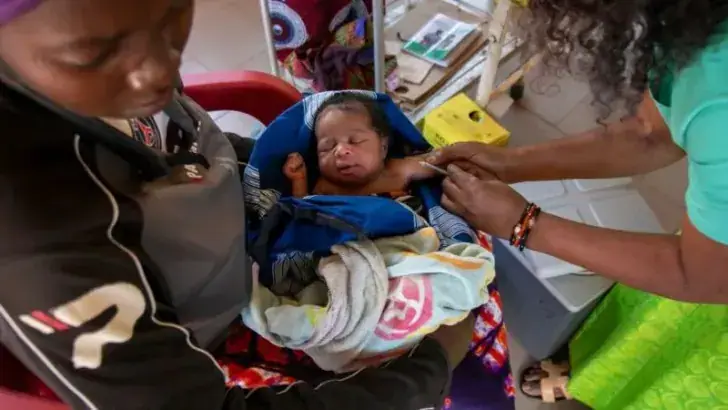
A proposed trial of a hepatitis B vaccine on newborn babies in Guinea-Bissau, funded by the US under Health Secretary Robert F Kennedy Jr, has been cancelled. The trial planned to involve 14,000 newborns, with half receiving the vaccine and the other half not being given the shot. The study aimed to investigate the broader health effects of the vaccine beyond preventing infection. Critics questioned the ethics of withholding the vaccine from some babies in one of the world's poorest countries, where the infection is widespread.
The World Health Organization (WHO) expressed concerns about the trial, citing the main ethical concern that it would withhold an intervention already proven to protect newborns against hepatitis B. The vaccine has been used in over 115 countries for more than 30 years. The WHO representative in Guinea-Bissau, Walter Kazadi Mulombo, warned that babies could be exposed to the virus during childbirth or later in life. Nearly a fifth of the population of Guinea-Bissau are infected with hepatitis B, which can lead to chronic infections and liver failure or liver cancer.
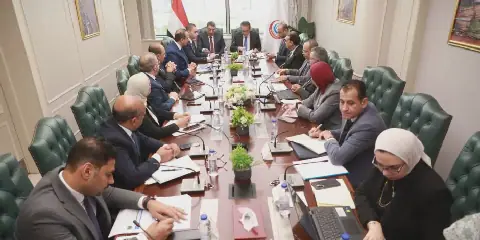
The trial was funded by the US government, with the CDC awarding the University of Southern Denmark (SDU) $1.6m in December 2025. The SDU said it had received a positive assessment from its own research ethics committee, but the trial was not approved by the relevant authorities in Guinea-Bissau. The Guinea-Bissau government prohibited hepatitis B vaccine trials involving children in January and requested a team of experts from the Africa Centres for Disease Control and Prevention (Africa CDC) to help evaluate the study.
The dispute intensified after the SDU said a revised study protocol had received ethical approval, which was denied by the Guinea-Bissau Health Minister, Quinhin Nantote. Nantote said the suspension remained in force and had not been overturned by the Council of Ministers. Dr Gavin Yamey, a professor of global health and public policy at Duke University, criticised the proposal, saying it reeked of neocolonialism and questioning why the research was not being conducted in Denmark.
On 19 October, Guinea-Bissau's Judicial Police searched the Bandim Health Project's facilities and seized a batch of hepatitis B vaccines. The police said the batch was intended for vaccinating children but did not disclose the specific grounds for the investigation. The seizure did not mean the vaccines were defective or unsafe. The police have not explicitly said whether their investigation relates to the proposed trial or other circumstances surrounding the batch.
The US department of health and human services has been asked for comment but has not responded. The cancellation of the trial has raised broader questions about whether vulnerable populations in African countries are being asked to take risks that researchers would not accept in wealthier countries. The incident has also highlighted concerns about the ethics of vaccine trials in low-income countries.
The Guinea-Bissau government is working with the WHO to introduce the birth-dose vaccine in the first quarter of next year, rather than in 2028 as previously planned. The current vaccination schedule in Guinea-Bissau vaccinates children against hepatitis B at six weeks, which is less effective. The introduction of the birth-dose vaccine is expected to reduce the risk of chronic infections and liver failure or liver cancer in the country.
Key points
- The trial was cancelled amid accusations of unethical and neocolonial practices.
- The WHO expressed concerns about the trial, citing the withholding of a proven intervention from newborns.
- The incident has raised broader questions about the ethics of vaccine trials in low-income countries.
Reporting sources
- Daily Graphic · Daily Graphic