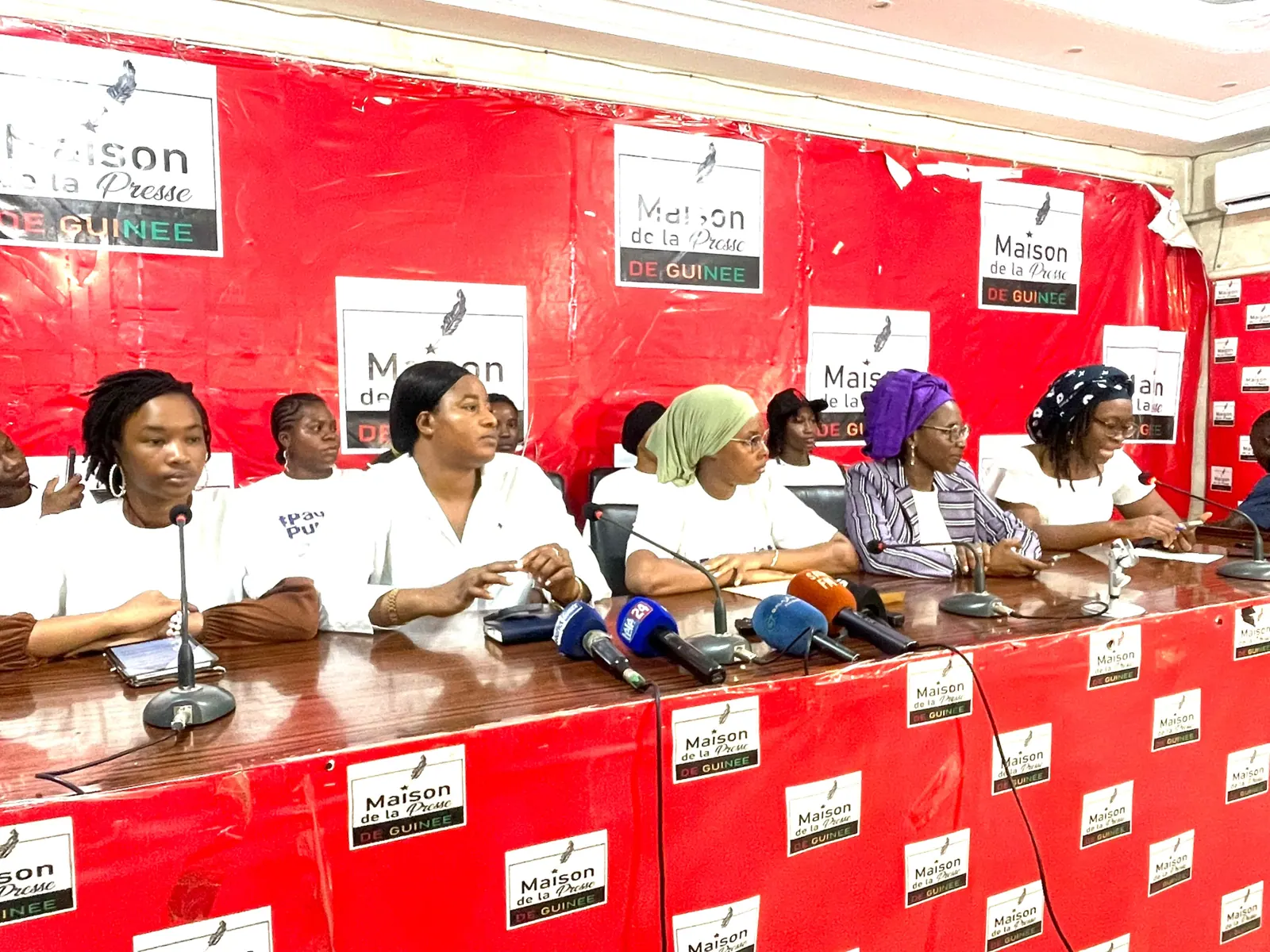
Guinean feminist organizations and human rights groups have urged a pause in the ratification process of the African Union Convention on the Elimination of Violence Against Women and Girls. They are seeking revisions to strengthen protection mechanisms and better address the realities of African women and girls. The convention was adopted in February 2025 during the 38th ordinary session of the African Union Conference of Heads of State and Government.
The organizations, united under the "Pause for Purpose" campaign, argue that the text needs reinforcement before becoming fully operational. Oumou Hawa Diallo, executive director of Malaaf Guinée, explained that they do not reject the convention but want it to be strong enough to achieve its objectives. According to her, consultations conducted in 2025 by African civil society organizations revealed low participation from civil society actors in the text's development process.
A public and strategic reading of the convention from September 15-17, 2025, by jurists, researchers, civil society organizations, and feminist activists highlighted several provisions requiring revision or clarification. Key concerns include definitions of certain forms of violence, such as technology-facilitated and digital violence. The organizations also believe that practices like female genital mutilation and child or forced marriages should be better addressed in the text.
Access to justice is a central concern for the organizations. They are demanding better legal support for survivors, procedures that avoid revictimization, and accessible justice mechanisms. The issue of women's participation in situations of disability was also raised. Aminata Camara, gender and protection officer at the Organization for the Assistance of People with Disabilities in Guinea, advocates for greater consideration of specific needs related to different types of disabilities.
The organizations stress the importance of involving women with disabilities in all stages of revision, implementation, and monitoring of the convention. Fatoumata Souaré, a feminist activist, emphasizes that civil society must play a watchdog role and influence the development of legal texts to meet population needs. She cites early marriage as an obstacle to girls' access to education, which she believes deserves more explicit recognition in the convention.
The activists insist on the need to involve more rural women, young people, survivors of violence, people with disabilities, and human rights defenders in the process. Through their campaign, the organizations are calling on African Union member states to strengthen the text, improve monitoring and accountability mechanisms, and establish measurable indicators and dedicated budgets for its implementation.
In Guinea, Malaaf is urging authorities to support a transparent, inclusive, and participatory revision process before ratification. The activists view this approach as a way to make the convention more effective, not as opposition to it. "Taking a pause today is not a step back, it's taking the time to build better," Oumou Hawa Diallo summarized.
Key points
- Guinean feminist groups demand revisions to the African Union Convention on Violence Against Women and Girls to strengthen protection mechanisms and address African women's realities.
- The organizations call for greater involvement of civil society, women with disabilities, and survivors of violence in the revision and implementation process.
- The activists seek improved access to justice, including better legal support for survivors and accessible justice mechanisms.