The International Monetary Fund (IMF) has approved a financing package of approximately $425 million for Guinea to support the country's economic reforms and macroeconomic stability. The IMF's Executive Board gave its green light to Guinea's economic and financial program for 2026-2029, paving the way for the country to access the funds. This development is a significant boost to Guinea's efforts to mobilize external resources and implement economic reforms.
The approved financing package is equivalent to 310.59 million Special Drawing Rights (SDRs), representing 145% of Guinea's quota within the IMF. The funds will be used to support Guinea's economic reforms, with a focus on mobilizing public revenue, controlling spending, and strengthening budgetary and monetary policies. The program aims to help Guinea transform its economic potential into sustainable and more evenly distributed wealth.
The IMF's approval of Guinea's economic and financial program is seen as a vote of confidence in the country's economic policy. The program is expected to help Guinea contain inflationary pressures, strengthen its external reserves, and improve public finances without compromising growth prospects. For the government, this agreement also represents a seal of approval from international financial partners, which is likely to facilitate the mobilization of new financing.
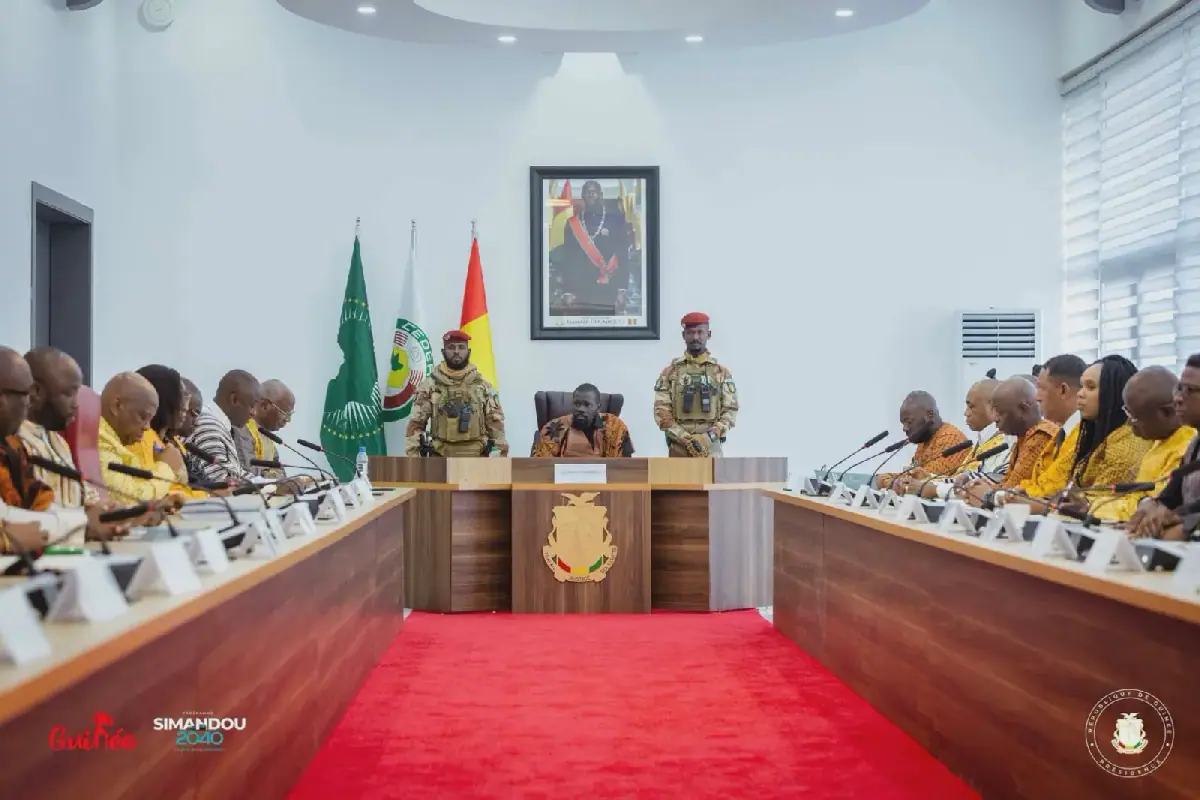
The financing package is part of the IMF's Extended Credit Facility (ECF) and Extended Fund Facility (EFF) arrangements. The program will support Guinea's efforts to implement its Simandou 2040 development plan, which aims to accelerate the country's economic transformation. The plan is being implemented under the leadership of President Mamadi Doumbouya and Prime Minister Amadou Oury Bah.
The government has welcomed the IMF's support and reaffirmed its commitment to implementing the agreed-upon reforms while protecting the most vulnerable households. The reforms will focus on budget preparation and execution, public debt management, and transparency in the use of state resources. The government will need to ensure that these reforms are effectively implemented to achieve the desired outcomes.
The IMF's support is seen as a critical factor in Guinea's efforts to achieve sustainable economic growth and development. The country's economy has been impacted by its rich natural resources, including iron ore and bauxite. The Simandou 2040 plan aims to harness these resources to drive economic growth and improve living standards.
The successful implementation of the IMF program will be crucial in translating the country's economic potential into tangible benefits for its citizens. The government will need to balance the need for economic reforms with the need to protect vulnerable households and promote inclusive growth. With the IMF's support, Guinea is poised to make significant progress in its economic development.
Key points
- The IMF has approved a $425 million financing package for Guinea to support the country's economic reforms and macroeconomic stability.