The International Monetary Fund (IMF) has approved Guinea's economic and financial program for 2026-2029, providing a credit facility of approximately $425 million. The program is supported by the Extended Credit Facility (ECF) and the Extended Fund Facility (EFF), with a total amount of 310.59 million Special Drawing Rights (SDRs). This development comes as Guinea's macroeconomic indicators and growth projections are trending upwards.
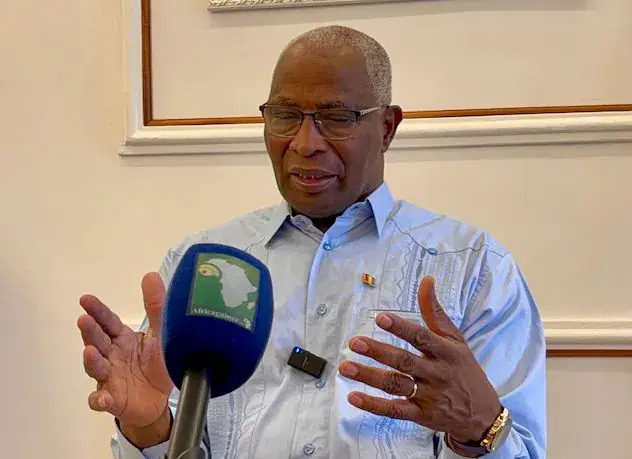
According to Guinea's Prime Minister, Amadou Oury Bah, securing the IMF agreement was not an easy process. He described the negotiations as "tough" and involving discussions on various subjects. However, the alignment of interests ultimately led to the program's approval. The Prime Minister emphasized that the IMF's endorsement is crucial for Guinea's economic progress, as it facilitates access to credits and financing.
The IMF's "signature" is seen as a credibility booster for Guinea's economic commitments. Prime Minister Bah explained that having an IMF program in place will make it easier for Guinea to obtain financing and create a positive image for investors. This, in turn, is expected to have a multiplier effect, attracting other donors and investors to support Guinea's economic development.
A key driver of Guinea's efforts to secure the IMF agreement is the Simandou 2040 program, a major development project initiated by President Alpha Condé. The program aims to transform Guinea's economy, and the IMF agreement is seen as a critical component of this effort. By securing the IMF's support, Guinea aims to demonstrate its commitment to economic reform and attract investment.
Prime Minister Bah emphasized that Guinea is not only seeking financing but also technical expertise from the IMF. He stressed that the government needs the IMF's guidance to improve its economic management and achieve better economic performance in the coming years. The IMF program is expected to provide Guinea with the necessary tools to strengthen its economic institutions.
Over the next three years, Guinea's government plans to focus on strengthening its managerial capacities and economic institutions. Prime Minister Bah stated that this will enable the country to better manage its economy and achieve the goals set out in the Simandou 2040 program. The IMF agreement is seen as a crucial step towards achieving these objectives.
The approval of the IMF program marks a significant milestone for Guinea's economic development. With the IMF's support, Guinea aims to achieve greater economic stability and attract investment to support its development goals. The country's progress will be closely watched by investors, donors, and international organizations.
Key points
- The IMF agreement provides Guinea with a $425 million credit facility to support its economic program for 2026-2029.
- The program is driven by Guinea's Simandou 2040 development project, which aims to transform the country's economy.
- The IMF's endorsement is seen as a credibility booster for Guinea's economic commitments, facilitating access to credits and financing.