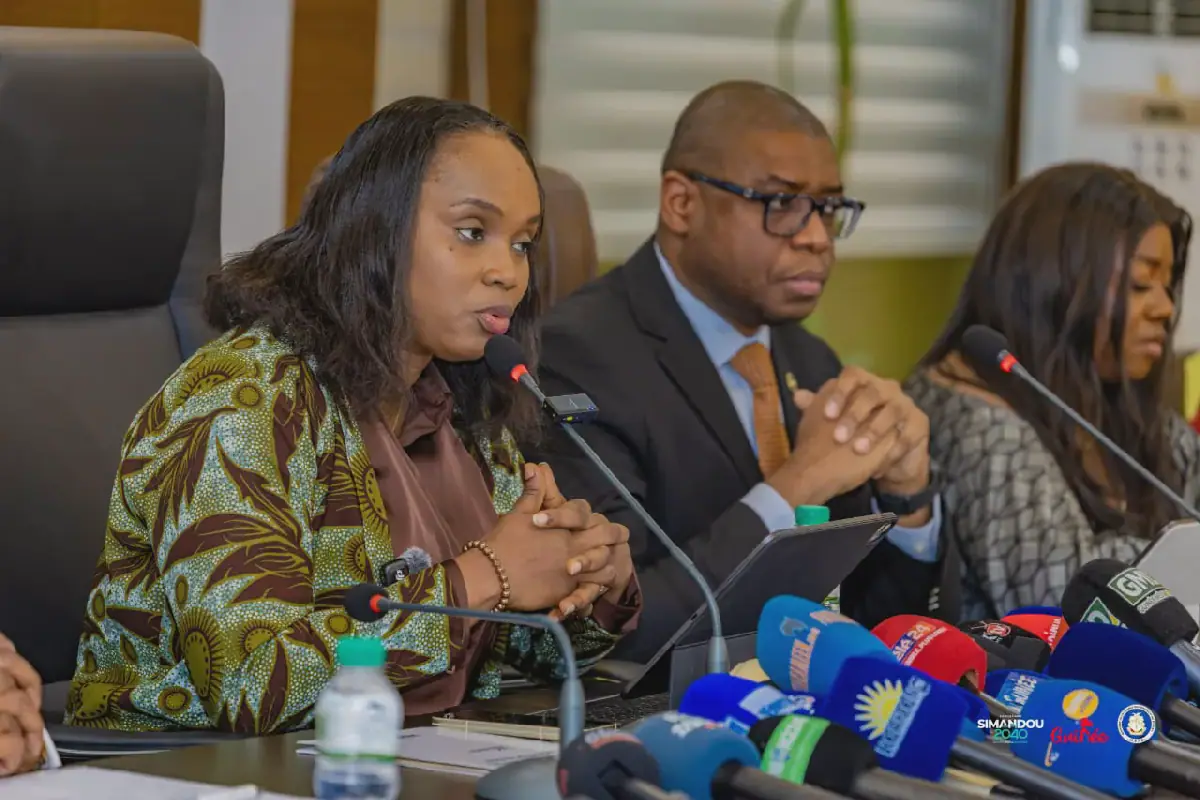
The International Monetary Fund has approved a financing package worth approximately $417 million for Guinea. The package, which includes two agreements under the Extended Credit Facility and Extended Financing Facility, was approved by the IMF's Executive Board on November 23, 2026. The funds will be disbursed over a period of 38 months, with the first tranche of $63.4 million available for budget support.
The financing package represents a significant development for Guinea, marking the country's return to IMF financing after a nine-year hiatus. According to Guinea's Minister of Economy, Finance, and Budget, Mariama Ciré Sylla, the approval demonstrates the IMF's confidence in the country's economic management and reform efforts. However, Sylla also emphasized the need for the government to demonstrate discipline and ensure effective use of the funds to achieve tangible results.
The IMF financing package is expected to support Guinea's economic reforms and development projects, including efforts to improve governance, transparency, and public financial management. Minister Sylla highlighted several reforms underway, including the introduction of a digital platform for public procurement, known as Télémo, aimed at enhancing transparency and efficiency in public contracting. The government also plans to digitalize tax and customs administrations to improve revenue collection.
The introduction of a program-based budget is another key reform, which aims to link public expenditures directly to expected outcomes. This approach is expected to transform the way state resources are planned, executed, and evaluated. According to Minister Sylla, these reforms have already contributed to a significant increase in domestic revenue in recent years. The government faces high expectations from citizens, who are eager to see tangible improvements in public services and living standards.
The $417 million financing package has sparked concerns about the effective use of funds and their impact on the daily lives of Guineans. Citizens are keen to see concrete results, particularly in light of the country's significant natural resources and development potential. Minister Sylla acknowledged the legitimacy of these concerns, emphasizing the need for greater transparency, rigor, and tangible results in public financial management.
The Guinean government has faced challenges in managing public finances and delivering public services, despite the country's rich natural resources. The IMF financing package provides an opportunity for the government to demonstrate its commitment to economic reform and good governance. Minister Sylla stressed that the government is aware of the challenges ahead, particularly in addressing the economic implications of the Simandou project, a major development initiative.
The success of the IMF financing package will depend on the effective implementation of reforms and the government's ability to demonstrate tangible results. The package represents a significant opportunity for Guinea to strengthen its economic management, improve public financial management, and deliver better public services. Ultimately, the impact of the financing package will be measured by its contribution to improving living standards and meeting the expectations of Guineans.
Key points
- The IMF financing package includes a $63.4 million initial disbursement for budget support.
- The financing package is part of a 38-month program under the Extended Credit Facility and Extended Financing Facility.
- The program aims to support Guinea's economic reforms, improve governance, and enhance public financial management.