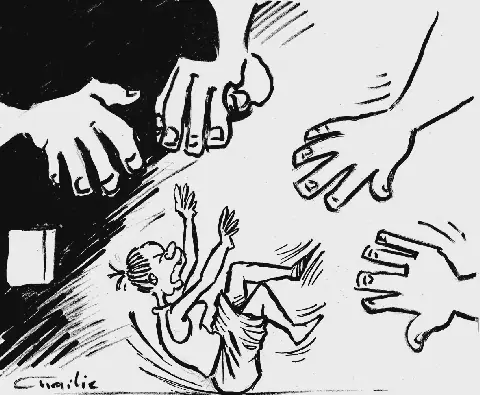
The Republic of Benin has launched a crackdown on illegal gold panning in West Africa. According to local reports, the move aims to rescue Beninese citizens affected by the illicit activity. The country's authorities have been working to address the issue, which has significant economic and environmental implications. Illegal gold panning has been a persistent problem in the region, with many West African countries struggling to combat the practice. Benin's efforts to tackle the issue may set a precedent for other nations in the region.
The illegal gold panning issue in West Africa has been linked to various social and economic problems. Many local communities have been affected by the activities of artisanal miners, who often operate outside the law. The situation has led to concerns about the environmental impact of the mining activities, as well as the exploitation of local populations. Benin's government has been working to address these concerns through a series of measures aimed at curbing the illicit activity.
The Beninese government's efforts to combat illegal gold panning have involved collaboration with local stakeholders. Authorities have been working with community leaders and local organizations to raise awareness about the risks associated with the practice. The goal is to encourage artisanal miners to operate within the law and to adopt more sustainable and responsible mining practices. This approach may help to reduce the negative impacts of gold panning on local communities and the environment.
The issue of illegal gold panning in West Africa has significant economic implications. The loss of revenue due to illicit mining activities has been estimated to be substantial, with many countries in the region struggling to capitalize on their gold resources. Benin's efforts to address the issue may help to increase revenue from the mining sector, which could have a positive impact on the country's economy.
Benin's crackdown on illegal gold panning has been welcomed by local communities. Many residents have expressed concerns about the negative impacts of the practice, including environmental degradation and social problems. The government's efforts to address the issue have been seen as a positive step towards addressing these concerns. However, some have raised concerns about the potential impact on local livelihoods, as many artisanal miners rely on the activity for their income.
The success of Benin's efforts to combat illegal gold panning will depend on various factors. One key challenge will be ensuring that artisanal miners are able to operate within the law, while also providing them with alternative livelihoods. The government may need to provide support for miners who want to transition to more sustainable and responsible mining practices. This could involve providing training and resources to help them adopt new technologies and techniques.
The international community has been watching Benin's efforts to combat illegal gold panning with interest. The issue is a significant problem in many West African countries, and a successful approach in Benin could be replicated elsewhere. The country's experience may provide valuable lessons for other nations struggling to address the issue.
Key points
- Benin takes action against illegal gold panning affecting its citizens in West Africa
- The issue of illegal gold panning in West Africa has significant economic and environmental implications
- The success of Benin's efforts will depend on providing alternative livelihoods for artisanal miners