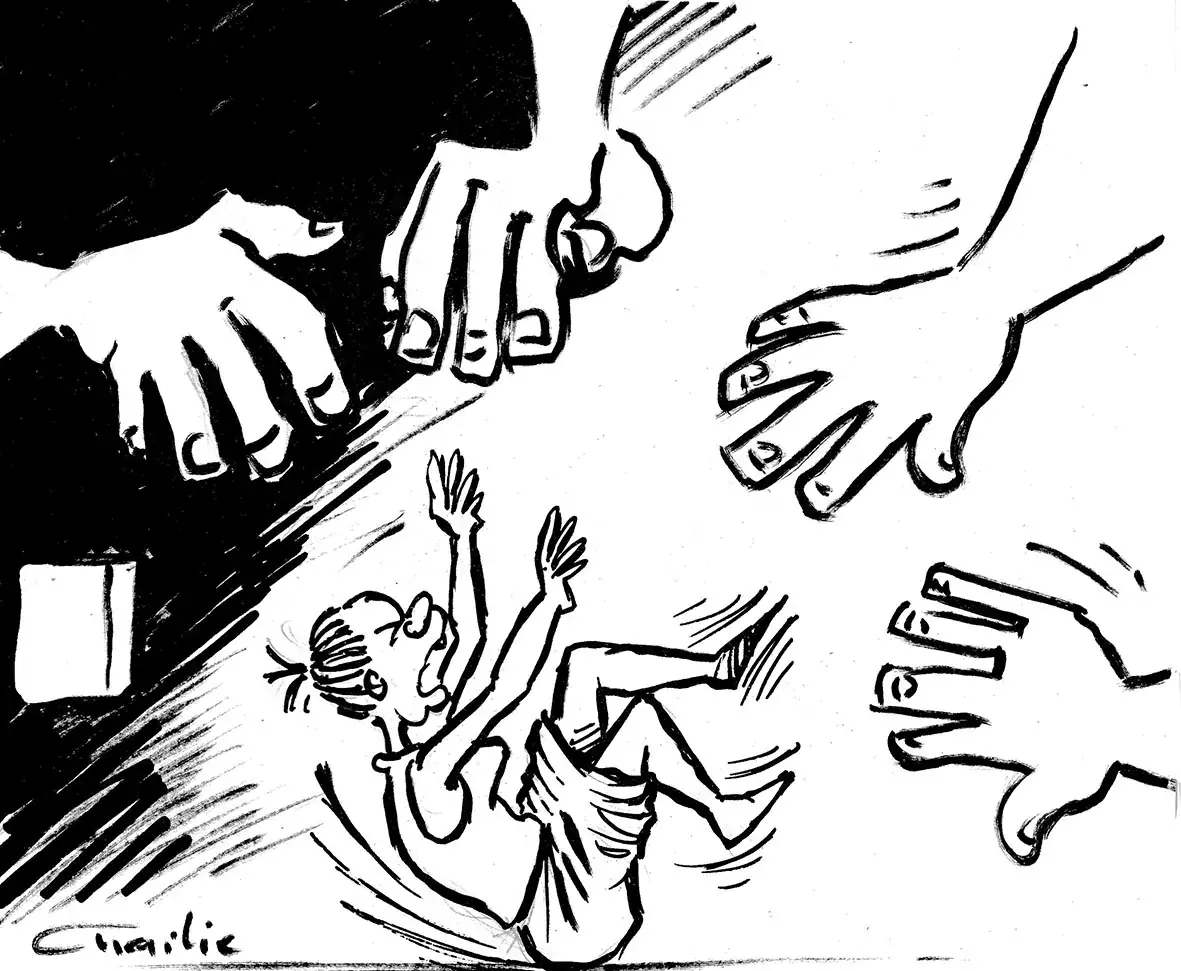
As the world observes 16 days of activism against gender-based violence, Guinea is faced with the daunting reality of violence against women. These violent acts are not isolated incidents but rather a systemic issue that normalizes horror and discourages victims from seeking justice. Young girls as young as 5 years old are subjected to genital mutilation, while a 3-year-old girl was raped in her school's toilet. Pregnant women are being burned alive by their partners, and women are being thrown into wells.
The violence does not stop at the initial aggression. It continues when institutions fail to protect their victims. For instance, when a victim reports to the OPROGEM, they are often told that "all women suffer this in their homes." Women are also required to obtain marital authorization to leave the country, and judges sometimes ask victims to "forgive in the name of God" during divorce proceedings. Furthermore, forced marriage of minors is often tolerated in silence.
To end violence against women in Guinea, more than just symbolic annual campaigns are required. Strict enforcement of laws, sanctions against underperforming officials, and a collective refusal to accept women's suffering as a fatality are necessary. Behind every statistic lies a girl, mother, or sister who has been denied justice.
In Guinea, impunity is not a malfunction but what perpetuates violence against women. To address this issue, Guineans must demand justice and hold their institutions accountable. According to activists, the current system not only fails to protect victims but also discourages them from seeking help.
Activists argue that institutions play a significant role in perpetuating violence against women. When institutions refer victims back to their perpetrators, they inadvertently facilitate future attacks. To combat this, Guinean authorities must take a firm stance against violence and ensure that perpetrators are brought to justice.
The issue of violence against women in Guinea requires a comprehensive approach that involves both the government and citizens. By working together, they can create a society where women are protected and respected. This includes providing support to victims and ensuring that perpetrators are held accountable.
Ultimately, addressing violence against women in Guinea requires a fundamental shift in societal attitudes and institutional behaviors. Guineans must reject the notion that women's suffering is a normal occurrence and demand that their leaders take concrete actions to protect them.
Key points
- Demand for strict enforcement of laws and sanctions against officials failing to protect victims
- Impunity perpetuates violence against women in Guinea
- Collective action is required to address the systemic issue of violence against women