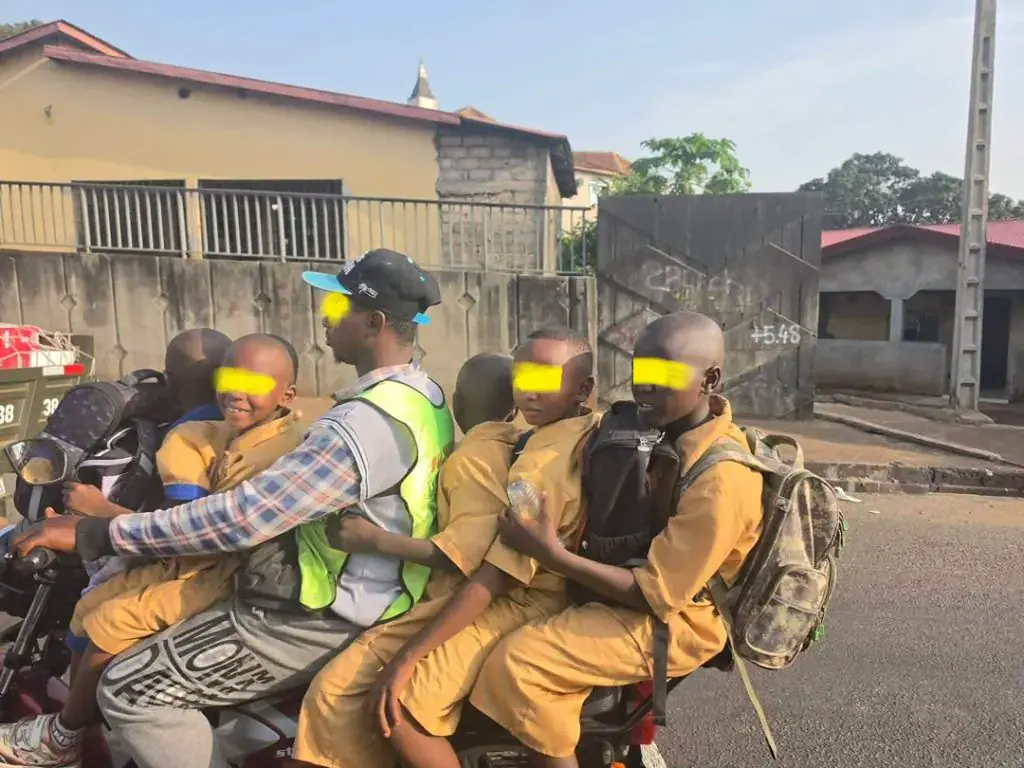
The streets of Guinea's cities are filled with mototaxis transporting schoolchildren, often with multiple kids per bike, no helmets, and reckless driving. This daily scene has become a norm due to the lack of public and school transportation. Parents, desperate for a solution, have turned to mototaxis as a last resort, despite the risks. The consequences can be severe, with children facing traumatic brain injuries, lifelong disabilities, or even death.
The root causes of this crisis are the shortage of public transportation and the high cost of living, which force parents to prioritize affordability over safety. While mototaxis may seem like a convenient and affordable option, they pose significant risks to children. The Guinean authorities have a responsibility to address this issue and find alternative solutions. The situation is further complicated by the fact that children often perceive riding mototaxis as a thrilling experience.
To address this issue, a four-point plan has been proposed. The plan includes strict regulations and police controls, with a focus on enforcing a one-child-per-moto rule and mandatory helmet use. Parents and schools must also be held accountable, with associations and schools launching awareness campaigns to educate parents about the risks. Furthermore, motorcycle taxi drivers must receive training on defensive driving and the specific challenges of transporting minors.
Another key aspect of the proposed plan is the identification and certification of authorized motorcycle taxi drivers. This could be achieved through a system of numbered vests or stickers. Additionally, the government and local authorities are urged to invest in public and school transportation, including the deployment of dedicated school buses and the creation of "pedibus" or group walking initiatives.
The lack of reliable and safe transportation for schoolchildren is a pressing issue in Guinea. While some may view mototaxis as a temporary solution, the risks associated with this mode of transportation far outweigh any perceived benefits. It is essential that the authorities take a proactive approach to addressing this crisis, rather than waiting for a tragedy to occur.
In the short term, the focus should be on regulating and improving the safety of mototaxis, while also investing in alternative transportation solutions. This could include partnerships with private companies to provide safe and affordable transportation for schoolchildren. Ultimately, the goal is to provide a safe and reliable transportation system that allows children to commute to school without risking their lives.
The situation in Guinea serves as a stark reminder of the importance of prioritizing children's safety and well-being. By working together, the government, parents, and schools can find sustainable solutions to this crisis and ensure that schoolchildren have access to safe and reliable transportation. The future of Guinea's children depends on it.
Key points
- The Guinean authorities have proposed a four-point plan to address the school transport crisis, including strict regulations, parent and school accountability, driver training, and investment in public and school transportation.