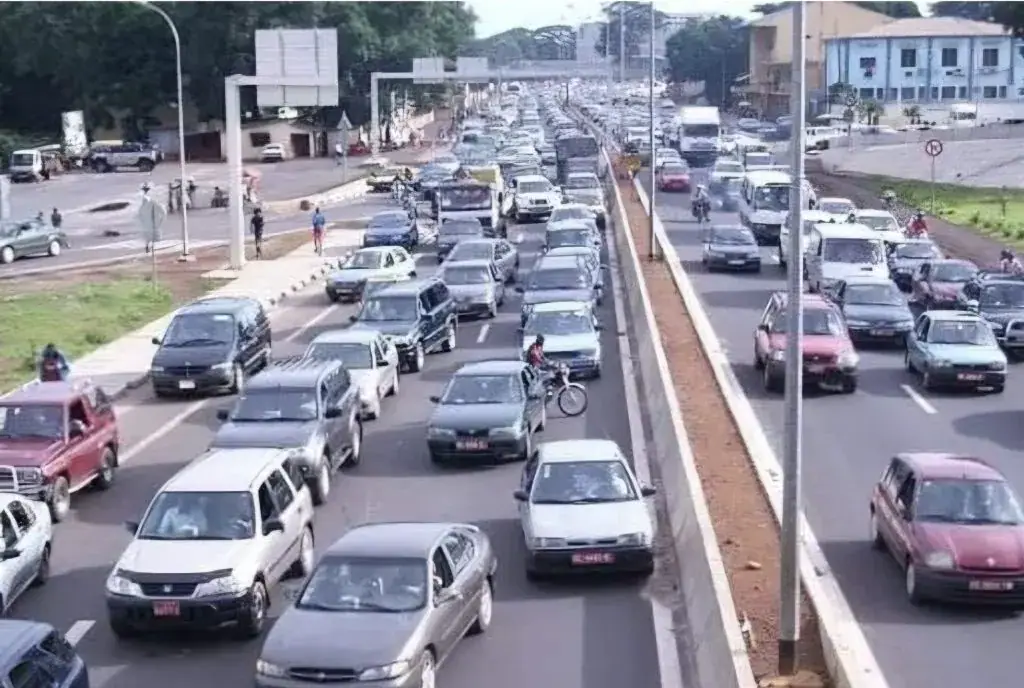
The Guinean government has announced that there will be no restrictions on the circulation of vehicles, motorcycles, and tricycles during the regional elections on November 29, 2026. According to a communiqué released by Minister of Territorial Administration and Decentralization Djenabou Touré, circulation will be free from 6 am to 6 pm across the entire national territory. This announcement aligns with the explanation provided by the Director General of Elections, Mohamed Ali Condé, the previous day.
The government has assured citizens that no road closures or special permits will be required during the voting period. The only restricted areas will be the designated voting locations, which will be strictly regulated and off-limits to unauthorized individuals. Only accredited personnel, those with specific missions in the electoral process, and authorized officials will be allowed to enter these areas.
Minister Touré has called on citizens to exercise civic responsibility, respect road safety rules, and follow the instructions of competent authorities to ensure a peaceful and secure voting process. She expressed confidence that the public will demonstrate maturity and a commitment to democratic processes, contributing to a successful election.
The Director General of Elections, Mohamed Ali Condé, had previously explained that the voting process involves an indirect suffrage, where only communal councilors will elect regional councilors from among themselves. A total of 8,753 councilors are expected to vote in 375 polling stations, with each commune having one polling station. The elections will fill 424 seats, including 24 in Conakry.
Given the limited number of voters in each commune, the voting process is expected to be relatively quick. For example, in Dixinn, the polling station will open at 8 am, and voting is expected to conclude by 10 am at the latest. The Director General emphasized that the voting process will not involve large crowds, as only councilors will participate.
The General Directorate of Elections (DGE) has made thorough preparations for the elections, including transporting materials to the 375 polling stations and deploying 48 supervisors, with 44 stationed inside the country and 4 in Conakry. Additionally, a command center, a legal monitoring commission, and coordination with security forces are in place to ensure a smooth process.
The provisional results of the elections will be announced by the DGE, while the Conakry and Kankan courts of appeal will establish the final results. The government has expressed its commitment to ensuring that the elections take place in a climate of peace, serenity, and security, and that citizens exercise their right to vote in a free and fair environment.
Key points
- No road closures or special permits will be required during the voting period.
- Only accredited personnel will be allowed to enter designated voting locations.
- The elections involve an indirect suffrage, where only communal councilors will elect regional councilors.