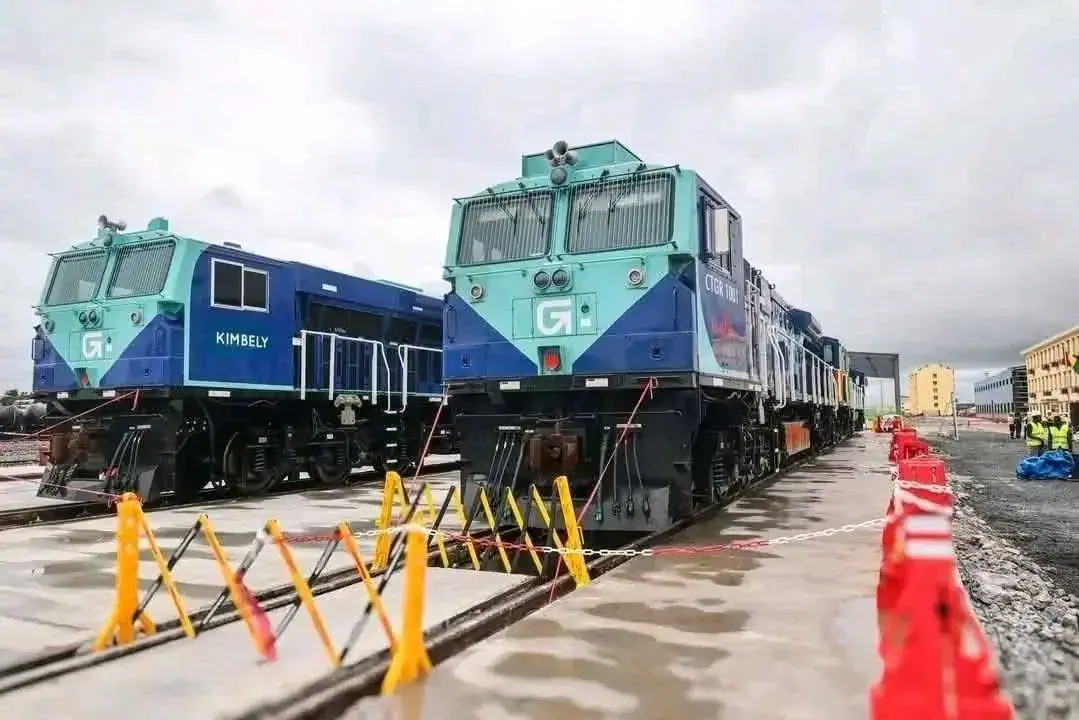
The Transguinéen railway, spanning over 650 kilometers, has been in service since November 2025, transporting Simandou iron ore to the ocean. The infrastructure connects the Beyla and Kérouané massifs to the Morébaya port in Forécariah. On October 12, 2026, the country's leader took the inaugural passenger train ride. Designed as a development corridor, the railway is meant to transport goods and passengers, not just iron ore. The infrastructure is in place, and the focus shifts to what will be transported beyond ore.
Guinea's true wealth lies in its land, water, and livestock, not just its mineral resources. The country has 6.2 million hectares of arable land, with only a quarter currently cultivated. Its vast rivers and perennial tributaries have earned it the nickname "water castle" of West Africa. Additionally, Guinea has extensive areas suitable for livestock. Agriculture employs over 70% of the workforce but contributes only about 20% to the country's GDP, highlighting the sector's productivity gap and potential for growth.
The Transguinéen railway can unlock the value of Guinea's agricultural resources by providing a means to transport crops, livestock, and processed products to domestic markets, ports, and neighboring countries. Historically, a significant portion of production has been lost due to inadequate roads, storage facilities, and commercial outlets. The railway offers a solution to these challenges, enabling the efficient movement of goods and potentially transforming the country's agricultural sector.
The United States' experience with the transcontinental railroad in the 19th century provides a relevant example. The Union Pacific railroad, completed in 1869, connected the Missouri River to the Pacific coast, transforming previously inhospitable plains into one of the world's breadbaskets. The railroad was accompanied by land grants, settlement policies, credit mechanisms, and commercial outlets, demonstrating that infrastructure alone is not enough; a supportive ecosystem is necessary for development.
To harness the full potential of the railway, the Guinean government must address several key areas. These include ensuring reliable electricity, providing accessible agricultural credit, securing land tenure, promoting local processing, and establishing markets. Developing agro-industrial zones along the railway and improving rural roads will also be crucial. By tackling these challenges, Guinea can create a thriving agro-industrial sector that benefits its economy.
The success of the railway will ultimately depend on effective governance, coherent policies, and institutional accountability. In the next decade, Guinea's progress should be evaluated not only by its iron ore exports but also by the number of farmers lifted out of poverty, structured value chains, and sustainable jobs created along the corridor. The focus should shift from mere infrastructure development to tangible results and sustainable growth.
As Guinea moves forward, it must prioritize actions and outcomes over rhetoric. The country's future prosperity depends on its ability to harness the potential of its land, water, and resources. By doing so, Guinea can create a sustainable and diversified economy that benefits its people and ensures long-term growth. The railway has laid the groundwork; now, it is up to the Guinean people to build on this foundation.
Key points
- The Transguinéen railway has the potential to spur an agro-industrial revolution in Guinea.
- Effective governance and coherent policies are crucial to harnessing the railway's potential.
- The railway's success will depend on addressing key challenges, including reliable electricity, accessible credit, and land tenure security.