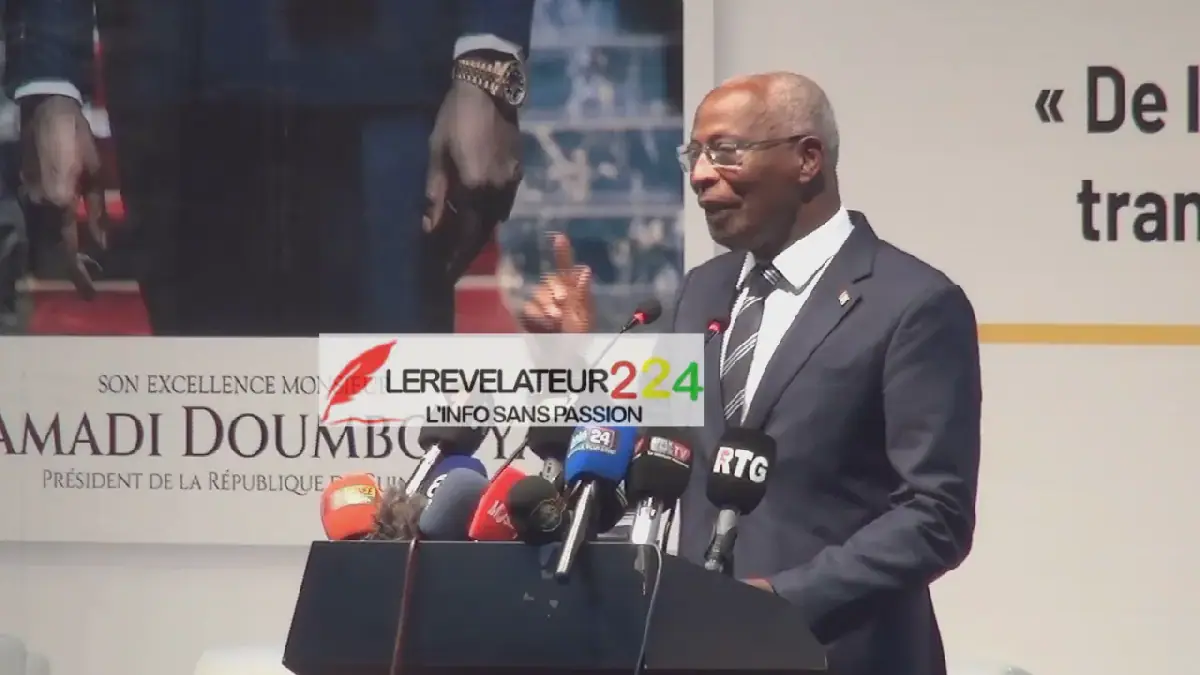
On November 25, 2026, Guinea's Prime Minister Amadou Oury Bah launched the National Forum on Sanitation, focusing on transforming waste management in Conakry. The forum aimed to bring together government officials, technical and financial partners, and local authorities to discuss the challenges and opportunities in the sector. The Prime Minister emphasized the need for a national priority on sanitation, job creation, and wealth generation. He highlighted that the government allocates 15 billion Guinean francs monthly for waste management and drainage in Conakry.
The Prime Minister announced several measures to improve waste management in Conakry, including the closure of the Dar-es-Salam landfill, which he described as a "cancer in the heart of the capital." The site is being transformed into a urban park. Additionally, negotiations with an operator for waste collection in temporary transit zones have been finalized. Equipment for transporting waste to the Baritodé transitory landfill is expected to arrive within two to three weeks. An industrial waste valorization plant will also be installed in the coming days.
Prime Minister Amadou Oury Bah called on local authorities to take responsibility for waste management in their territories. He asked them to map their areas and promote the creation of small and medium-sized enterprises (SMEs) specializing in waste pre-collection, with at least one SME per neighborhood sector. This approach aims to improve urban cleanliness and provide job opportunities for young Guineans. The Prime Minister assured that the government will support local authorities in identifying their equipment needs.
The Prime Minister advocated for a new approach to waste management, considering it an economic opportunity. He mentioned the potential for transforming waste into fertilizer and energy, encouraging the private sector to develop this sector. The valorization process is expected to take shape in 2027. The Prime Minister also recalled the President's instructions to make Conakry a clean city by the end of December 2026.
To achieve this goal, the Prime Minister stressed the importance of collective action and better governance in the sanitation sector. He emphasized the need for mobilizing financing and promoting economic valorization of waste. The government aims to support local authorities in their efforts to improve waste management and provide them with necessary resources.
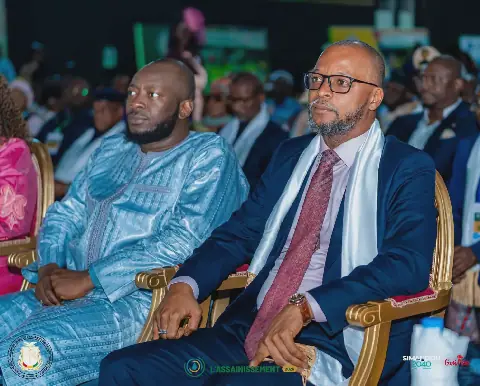
The National Forum on Sanitation aims to translate commitments into concrete actions, focusing on improved governance, financing, and economic valorization of waste. The forum brought together various stakeholders to discuss challenges and opportunities in the sector. The Prime Minister's plan aims to transform waste management in Conakry, creating jobs and generating wealth.
The implementation of the plan will be monitored, and progress will be evaluated. The Prime Minister's commitment to making Conakry a clean city by December 2026 is clear. The success of the plan depends on the collaboration of local authorities, technical and financial partners, and other stakeholders.
Key points
- The plan aims to make Conakry a clean city by December 2026.
- The government allocates 15 billion Guinean francs monthly for waste management and drainage in Conakry.
- The Dar-es-Salam landfill is being transformed into an urban park.