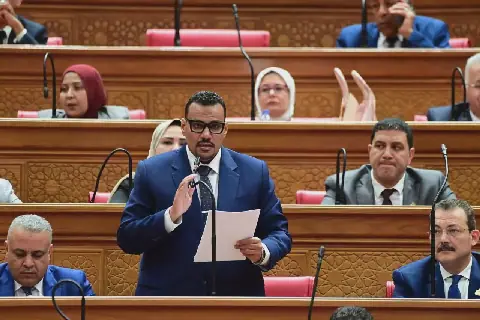
The Guinean capital, Conakry, is currently hosting a national forum on sanitation, which aims to tackle the country's environmental challenges. According to the Minister of Sanitation, Aboubacar Camara, Conakry produces approximately 3,000 tons of waste per day. The forum, which was opened by the Prime Minister, brings together members of the government, technical and financial partners, local leaders, and representatives from civil society and non-governmental organizations.
The main objective of the forum is to make sanitation a collective responsibility and a national priority. Over the course of two days, participants will discuss the challenges related to waste management and explore solutions to improve the living conditions of the population. Minister Aboubacar Camara highlighted the scale of the challenge, citing statistics that show only 31% of Guineans have access to basic sanitation services, with rural areas having even lower rates of access.
The Minister of Sanitation also noted that 12% of the population practices open defecation, emphasizing the need for a comprehensive approach to address the issue. To tackle this challenge, the ministry plans to promote a more inclusive approach that involves local authorities, businesses, households, and development partners. This approach aims to increase access to sanitation services, particularly in rural areas.
Another key issue discussed at the forum is the financing of the sanitation sector. To ensure the sustainability of sanitation initiatives, the ministry proposes the creation of a national sanitation fund. This fund would mobilize resources from various sources, including government allocations, contributions from producers and importers, service fees, and partner financing.
The ministry believes that investing in sanitation is not only a matter of public health but also a way to prevent floods, reduce healthcare costs, protect the environment, and promote job creation. The authorities hope that the forum will lead to concrete proposals for revising the national sanitation policy and increasing the involvement of all stakeholders in addressing the country's environmental challenges.
The forum's outcomes are expected to contribute to improved waste management and sanitation services in Guinea. By engaging various stakeholders, the government aims to develop effective solutions to the country's sanitation challenges. The Minister of Sanitation emphasized the importance of collective action to address the issue, stating that a national effort is required to ensure a healthier and more sustainable environment for all Guineans.
The two-day forum provides a platform for stakeholders to share knowledge, expertise, and experiences in addressing sanitation challenges. Key points discussed include the need for increased investment in sanitation infrastructure, the importance of community engagement, and the role of local authorities in promoting sanitation services.
Key points
- The creation of a national sanitation fund to mobilize resources for sanitation initiatives.
- Only 31% of Guineans have access to basic sanitation services.
- Conakry produces approximately 3,000 tons of waste per day.