As Guinea prepares to celebrate its independence on October 2, the conversation turns to themes of sovereignty and national pride. However, a nation's independence is also measured by how its citizens maintain their living environment. The recent tragedy at the Dar-es-Salam landfill served as a stark reminder that the accumulation of waste is not just an aesthetic issue, but a threat to life.
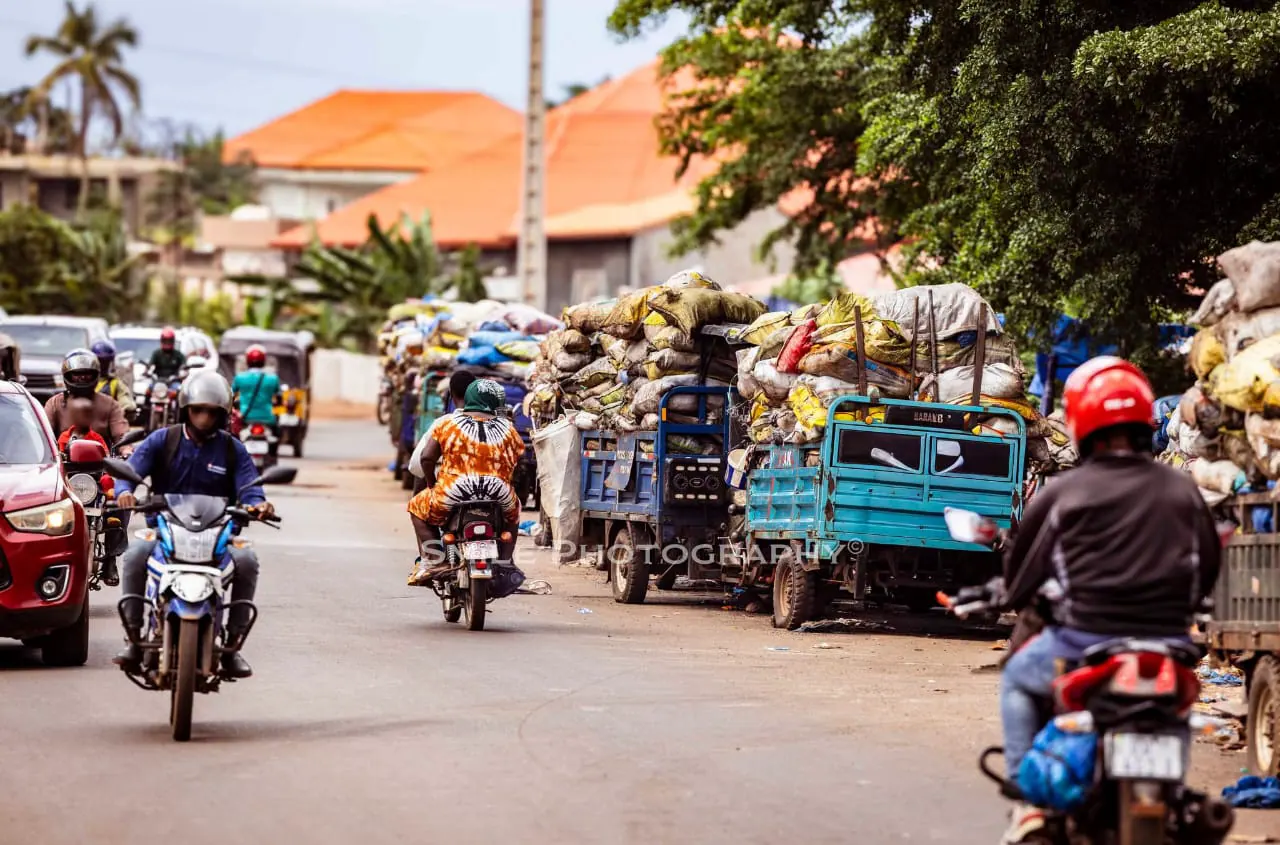
The situation on the ground is dire, with overflowing trash cans, blocked drains, and makeshift dumping sites. These scenes are not inevitable, but rather the result of daily actions that have become normalized. According to Politician Joachim Baba Millimouno, it is essential to recognize that collective disorder is the sum of individual negligence. He argues that citizens must take responsibility for their actions and their environment.
Millimouno suggests that the National Assembly pass a law that criminalizes littering in drains and unauthorized areas. He also proposes that each citizen subscribes to a private waste collection service and that authorities provide direct subsidies to these enterprises. Furthermore, he recommends building waste processing units to effectively manage waste. By addressing behavior, collection services, and waste treatment, Guinea can break the cycle of unsanitary conditions.
A dissuasive law is necessary to curb the habit of littering, with graduated sanctions that are well-known and enforced. Such a law is not a punishment, but a protection for everyone's life. Millimouno emphasizes that each household, business, and establishment should adhere to a pre-collection service. These small enterprises, often run by young people, perform a vital function that others shun.
To ensure the success of these private waste collection services, the authorities should provide direct subsidies to help them acquire equipment, fuel, and access to accessible dumping sites. Investing in the waste collection chain is an investment in public health and youth employment. Moreover, the new Baritodé site, currently under development, offers an opportunity to create a modern waste management facility that includes recycling, composting, and energy production units.
Millimouno stresses that effective waste management can create jobs, generate compost, and produce raw materials. Conversely, poor waste management can have deadly consequences. He encourages citizens to take immediate action by separating their waste, avoiding littering, subscribing to collection services, and reporting unauthorized dumping sites. By making responsible choices, Guineans can contribute to a cleaner, healthier environment.
The state has a role to play in addressing the waste management crisis, and it is working on a refoundation vision led by the Head of State. However, this vision can only be realized if every citizen becomes an actor in public cleanliness. As Guinea celebrates its independence, citizens can make a simple commitment: to work together to ensure that no Guinean loses their life due to poor waste management.
Key points
- A new law is proposed to criminalize littering in Guinea.
- Citizens are encouraged to subscribe to private waste collection services.
- The authorities are urged to support waste collection enterprises and invest in waste processing units.