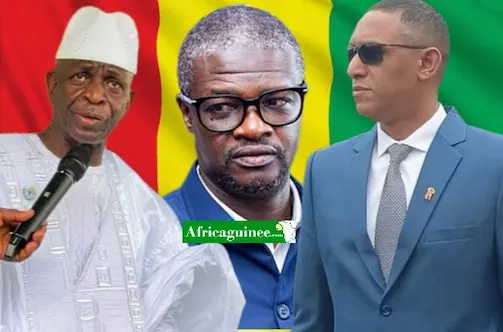
In a recent development, President Mamadi Doumbouya of Guinea has defined the roles and responsibilities of various ministries in the country's new republic. Through a series of acts, the President has specified the areas of action and responsibilities for each ministerial department. This move aims to provide clarity and ensure a smooth functioning of the government. The ministries of Justice and Human Rights, Defense, and Territorial Administration and Decentralization have been assigned key responsibilities.
The Ministry of Justice and Human Rights is tasked with ensuring the application of legislative and regulatory texts in the judicial and human rights sectors. The ministry will also oversee the coherence of general legislative and regulatory texts, develop strategies and plans for justice and human rights, and coordinate the actions of technical and financial partners. Additionally, it will be responsible for controlling penitentiary establishments, promoting and protecting human rights, and providing judicial protection for minors.
The Ministry of National Defense has been entrusted with guaranteeing and protecting the nation's vital interests. The ministry will safeguard the institutions of the Republic, implement the national defense policy, and execute decisions made by the Supreme Council of National Defense. It will also define policies for auditing and controlling the armed forces, managing human resources, and organizing the defense of the nation. Furthermore, the ministry will coordinate the activities of command bodies and ensure the readiness of the armed forces.
The Ministry of Territorial Administration and Decentralization will be responsible for establishing and updating the electoral register, organizing elections and referendums, and coordinating state actions in territorial and decentralized collectivities. The ministry will also promote and strengthen participatory territorial governance, ensure the tutelage of decentralized collectivities, and develop strategies for transferring sectoral competencies to these collectivities.
The Ministry of Defense will be led by a general officer or senior civilian official, either in active service or retired, under the authority of the President of the Republic. The minister will have authority over all armed forces and will be responsible for the political and administrative tutelage of the military institution. The minister can delegate powers to subordinate officials for the conduct of current affairs.
Key responsibilities have also been assigned to other ministries, including the Ministry of Justice and Human Rights, which will work to promote and protect human rights, ensure the formation and training of law enforcement agents, and establish cooperation with international organizations. The Ministry of Territorial Administration and Decentralization will work to ensure the regular monitoring of basic social services provided to populations.
The definition of roles and responsibilities for Guinea's key ministries marks an important step in the country's governance. The President's acts aim to provide clarity and ensure the effective functioning of the government. The implementation of these responsibilities will be crucial in promoting good governance, stability, and development in Guinea.
Key points
- President Mamadi Doumbouya has defined the roles and responsibilities of Guinea's key ministries.
- The Ministry of Justice and Human Rights will ensure the application of legislative and regulatory texts in the judicial and human rights sectors.
- The Ministry of National Defense will guarantee and protect the nation's vital interests.