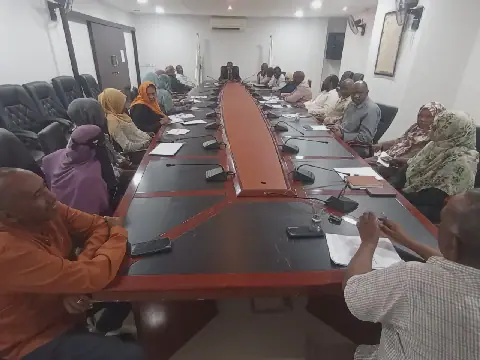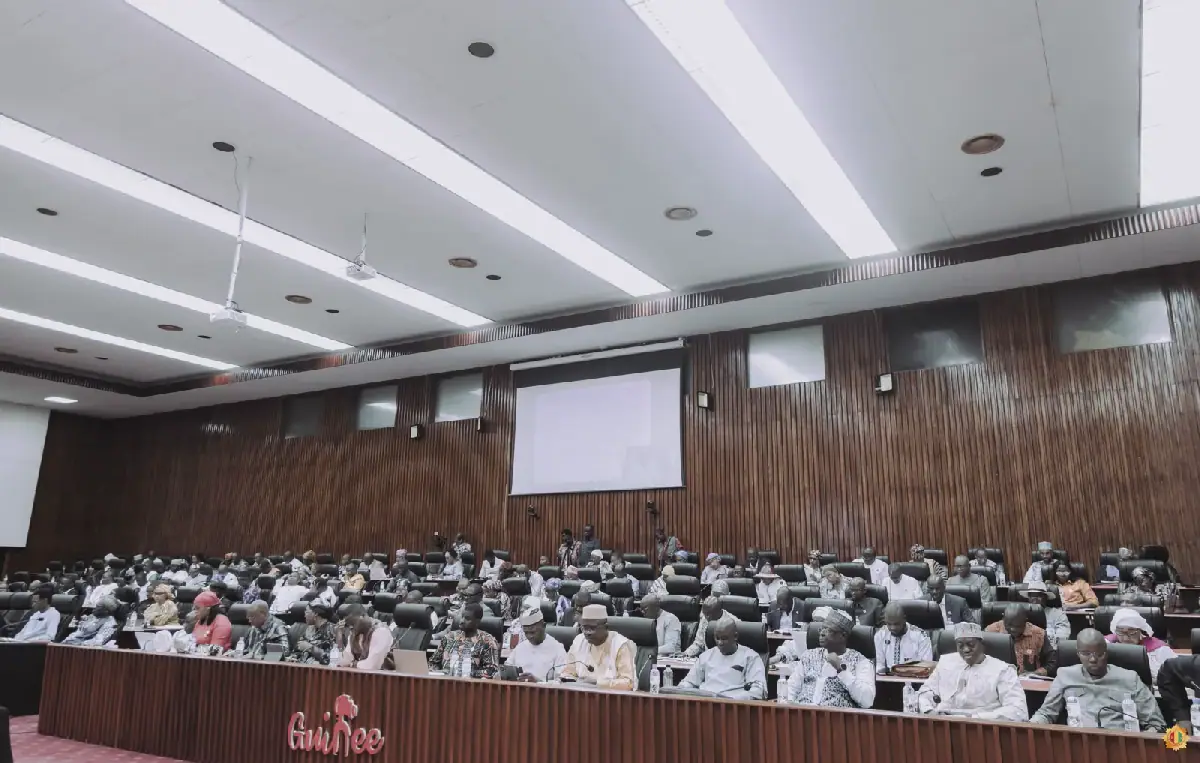
The Guinea National Assembly examined the 2026 revised finance law on November 7, 2026. The report, presented by Faraba Koné, highlighted alarming execution rates, budget overruns, administrative blockages, and unresolved social emergencies. A significant concern was the low execution of public investments, with 75% of ministerial departments and public institutions showing payment rates below 30%.
The report revealed that 13 departments, including key sectors like Administration, Security, Fisheries, and Agriculture, had zero investment execution. This situation raises concerns about the government's ability to implement the Simandou 2040 program. The Assembly stressed that public investments only have economic and social effects when they translate into accessible infrastructure, equipment, and services for citizens.
The National Assembly pointed out several major dysfunctions affecting citizens' daily lives. These include school canteens, which had zero disbursement, despite a 30 billion GNF allocation for 2026. The Assembly also noted that 33 public administrative establishments had zero payment rates, leaving many workers without salaries. Additionally, only 0.65% of collected funds were returned to the National Fund for Collective Local Investments.
The report also expressed concern about the slow clearance of domestic debt and arrears. The audited stock for 2014-2020 stood at 1,700 billion GNF, with a 1,228 billion GNF overrun on authorized payments. The Assembly recommended an in-depth evaluation, responsibility clarification, and a quarterly assessment mechanism. A parliamentary information mission was proposed to identify structural causes of these blockages.
To address these issues, the National Assembly formulated strategic recommendations. These include updating and expanding the price list by the National Institute of Statistics and creating a specific price list for road works. The Assembly also suggested mobilizing resources for rural road construction and reducing subsidies for electricity.
The Assembly emphasized its role in safeguarding budget orthodoxy and stressed that the credibility of the state's financial policy is measured by its effectiveness and impact on citizens' well-being. The government was urged to take immediate action to address these concerns and improve the execution of investments.
The National Assembly's criticisms and recommendations highlight the need for improved budget execution and transparency in Guinea's financial management. The government's response to these concerns will be crucial in determining the effectiveness of its financial policy and its impact on the country's development.
Key points
- Low investment execution rates in key sectors
- Urgent need for improved budget execution and transparency
- Recommendations for rural development and subsidy reduction