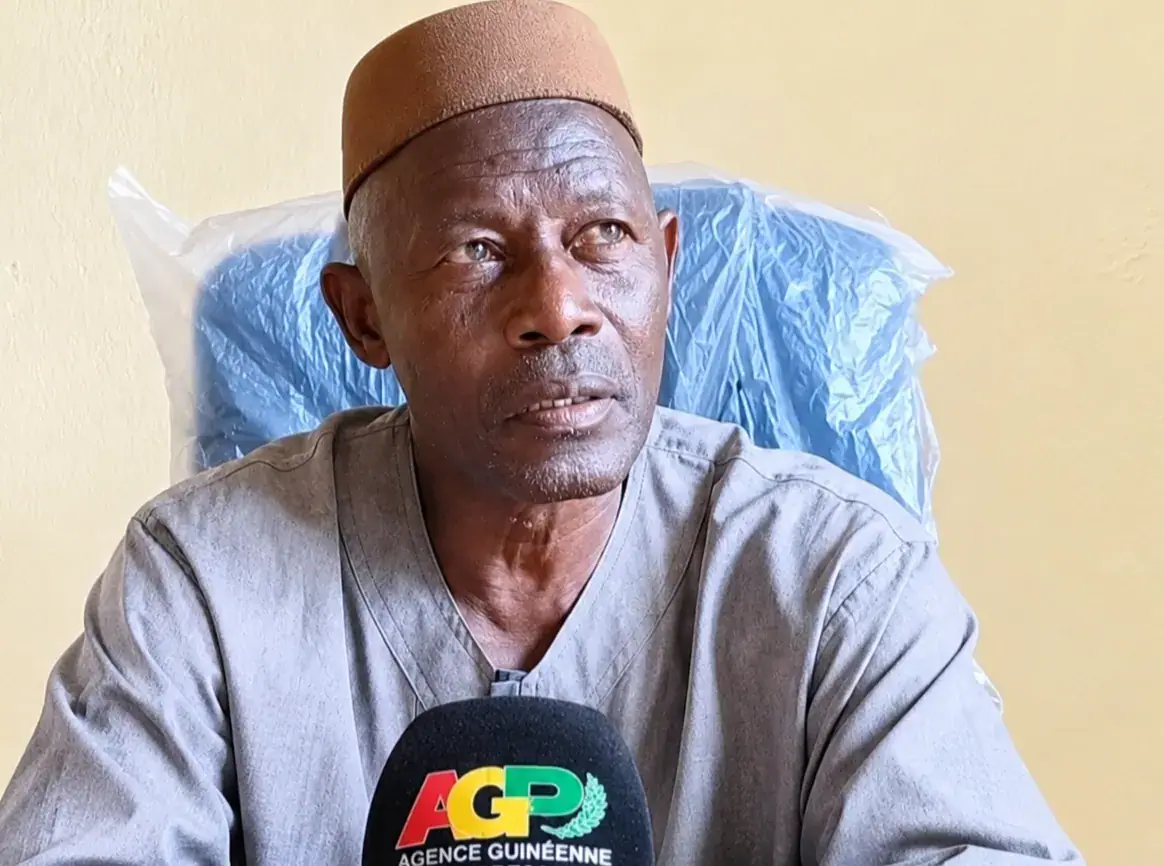
The commune of Molota, located 22 kilometers from Kindia and 12 kilometers from the national road, is home to approximately 17,450 inhabitants across 13 districts and 48 sectors, spanning 850 km². The area is primarily known for its agro-pastoral activities. The newly elected mayor, Moussa Camara, has identified key challenges that his administration aims to address, including the lack of infrastructure, inaccessibility of certain localities, and recurring conflicts between farmers and herders.
Since taking office, the new communal team has prioritized meetings with various socio-professional groups to express gratitude for the smooth conduct of the elections and to enhance awareness and consultation on local development issues. Administratively, the commune has held several extraordinary and one ordinary session. The mayor has also announced that the Annual Investment Program (PAI) and communal budget have been drafted and finalized, with the renovation of the youth center and extension of a primary school in collaboration with the NGO Guinée 44 being top priorities.
Despite these efforts, significant needs remain unmet. The mayor highlighted the deplorable state of administrative buildings inherited from when Molota was an arrondissement in 1967, which have seen little to no renovation since their construction. The communal authority is seeking assistance from residents, the state, and development partners to rehabilitate these buildings, essential for the proper functioning of communal services. One of the major concerns is the commune's accessibility, with the mayor suggesting that the construction and improvement of the road linking Foulaya to Molota and extending to Yemberen could greatly enhance population mobility and commercial exchanges.
In this predominantly agro-pastoral zone, preventing conflicts between farmers and herders is a priority. The mayor explained that dry-season market gardening provides a significant source of income for the population, especially women. However, the lack of financial means often prevents producers from fencing and securing their farms against stray animals. To address these challenges, the new administration is focusing on the security of agricultural domains. The mayor has called on development partners to support communities in protecting cultivated areas.
Another critical issue is the lack of conservation infrastructure and difficulties in evacuating agricultural products, which hinders Molota's economic development. Although electricity has been available since 1988, the commune lacks a cold storage facility to preserve harvests. This shortage exposes market gardeners, particularly women, to significant losses due to inadequate storage and transport facilities. The mayor has urged residents, the state, and development partners to support the commune in rehabilitating its administrative infrastructure, improving accessibility, securing agricultural domains, and establishing facilities for preserving market gardening products.
The new communal team believes that improving living conditions for the population involves the realization of basic infrastructure and the valorization of Molota's agricultural potential. The mayor emphasized the shared responsibility of farmers and herders in preventing conflicts and highlighted the need for a better understanding of the recently introduced Pastoral Code, particularly its application in rural and urban areas.
The commune's challenges underscore the need for collaborative efforts to address infrastructure deficits, enhance accessibility, and promote sustainable agricultural practices. The situation in Molota highlights the complexities of rural development in Guinea and the importance of tailored solutions that consider local contexts and needs.
Key points
- The commune of Molota requires support to address its infrastructure challenges, including the rehabilitation of administrative buildings and the construction of new facilities such as a cold storage unit.
- Improving accessibility through road construction and enhancement is crucial for enhancing mobility and facilitating commercial exchanges in the region.
- The prevention of agro-pastoral conflicts and the promotion of sustainable agricultural practices are essential for the commune's economic development and the well-being of its inhabitants.