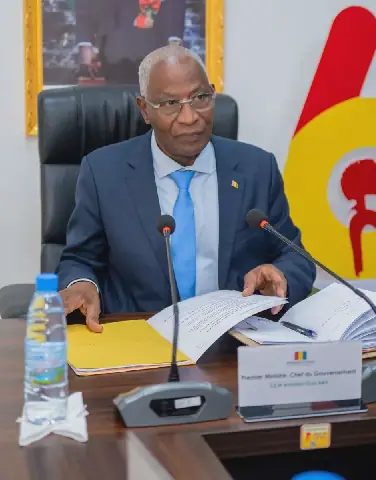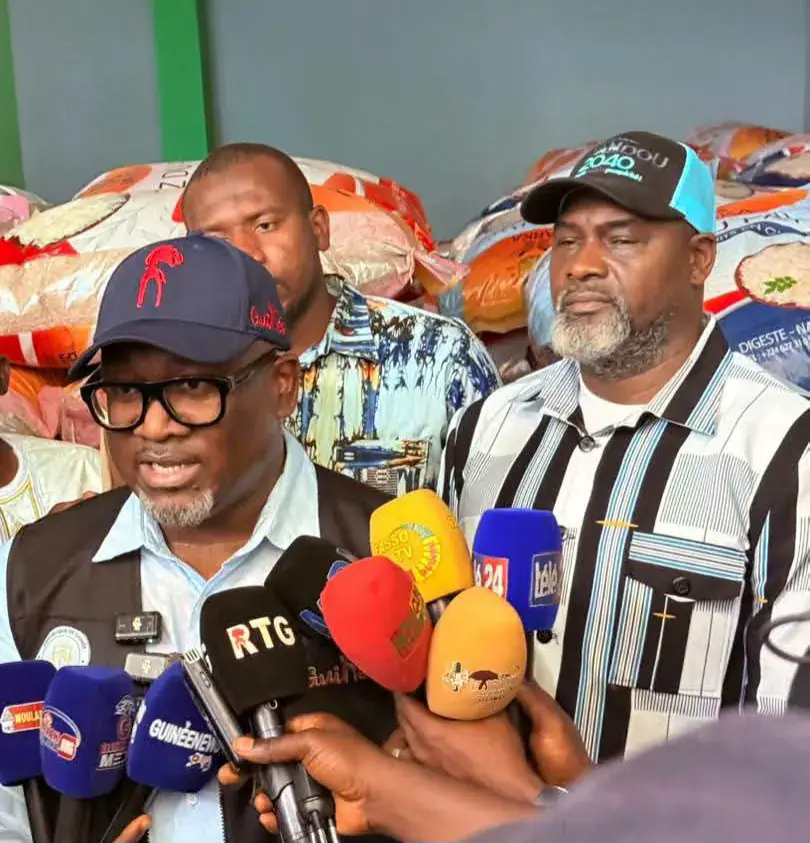
Guinea's Minister of Agriculture, Félix Lamah, has announced plans to establish over 200 mini-rice mills in the country to accelerate the development of the rice sector. The initiative aims to increase rice production and reduce the country's reliance on imports. The minister made the announcement during the inauguration of a new rice processing unit in Kankan, which was supported by the Guinean government and the World Bank.
The new rice processing unit, owned by Barka SARL, has a capacity to process 10 tonnes of rice per day, or approximately 3,800 tonnes per year. The unit is equipped with modern equipment, including storage facilities, cleaning machines, and drying equipment. The project was financed by the Guinean government's agricultural development fund (FODA) and the Project for the Development of Commercial Agriculture in Guinea (PEDAG).
Minister Lamah emphasized that the establishment of mini-rice mills is a key component of the government's strategy to promote private investment in the agricultural sector. He noted that the government's role should shift from controlling and producing everything to providing support and guidance to private sector actors. The minister aims to make small and medium-sized agricultural enterprises major players in the development of value chains.
The government's plan for the rice sector includes the establishment of over 200 mini-rice mills in major production areas and an annual production target of 5 million tonnes of rice within five years. The minister highlighted the paradox of a country with significant agricultural resources, yet relying on imports to meet part of its food needs. In 2025, Guinea imported approximately 1 million tonnes of rice.
The Simandou 2040 program, which includes the development of 150,000 hectares dedicated to rice cultivation, will support the government's rice production targets. Investments will focus on mechanization, irrigation, and the development of production areas. The second phase of the Project for the Development of Commercial Agriculture, in partnership with the World Bank, will also focus on strengthening rice, fonio, and poultry value chains.
Barka SARL, the owner of the new rice processing unit, plans to exploit 427 hectares of agricultural land, of which 250 hectares were cultivated this year. The company aims to gradually develop the entire area and increase production. The company's director, Mohamed Kaba, praised the support of the Guinean authorities and private partners in the development of the project.
Local producers have welcomed the establishment of the new rice processing unit, which they believe will enable them to increase their production and reduce constraints related to rice processing. They hope to double their cultivated areas and take advantage of the new infrastructure to improve their yields. The minister promised to provide technical support to producers to help them achieve their goals.
Key points
- Guinea aims to produce 5 million tonnes of rice annually within five years.