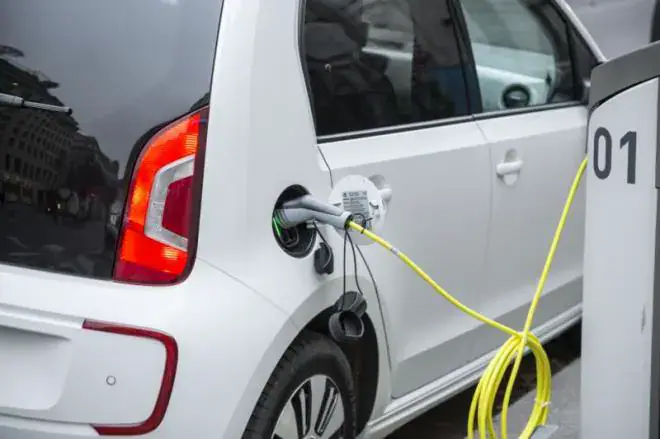
The Tunisian National Agency for Energy Management (ANME) has announced plans to install five solar-powered electric vehicle charging stations in Sfax, Bizerte, and Djerba. An invitation for bids was launched on November 19, 2026, for the supply, installation, and commissioning of the charging stations. The stations will have a capacity of 60 kW and will be directly connected to solar panels with a capacity of 6 kWc.
The ANME aims to promote electric mobility in Tunisia by associating it with renewable energy sources. The charging stations will be installed in three locations: Sfax, Bizerte, and Djerba. The agency is seeking qualified companies or consortia with the necessary expertise and experience to carry out the installation work. Bidders must download the specifications and submit their technical and financial offers electronically via the TUNEPS platform.
The deadline for submitting bids is December 18, 2026, at 10:00 a.m. The ANME emphasizes that failure to comply with technical specifications or installation procedures will result in the rejection of the bid. The agency is driving the development of electric vehicle charging infrastructure in Tunisia through pilot projects, regulatory structuring, and digital monitoring.
Tunisia aims to have 50,000 electric vehicles and 5,000 charging points by 2030. As of August 2026, the country has around 3,000 fully electric cars and nearly 200 public charging points across several regions. The transportation sector accounts for 36% of the country's final energy consumption and contributes 26% of greenhouse gas emissions.
The ANME is working to strengthen the public and private vehicle fleets with electric or hybrid cars. The agency is overseeing the development of charging infrastructure, including pilot projects and regulatory frameworks. The installation of solar-powered charging stations is part of Tunisia's efforts to promote sustainable transportation and reduce its carbon footprint.
The country's authorities have initiated steps to encourage the adoption of electric vehicles, which are seen as a key component of Tunisia's strategy to reduce energy consumption and greenhouse gas emissions. The transportation sector is a significant contributor to the country's energy consumption and emissions.
The installation of the five solar-powered charging stations is expected to support the growth of electric mobility in Tunisia and contribute to the country's efforts to reduce its environmental impact. The project is part of a broader strategy to promote sustainable transportation and reduce dependence on fossil fuels.
Key points
- The charging stations will have a capacity of 60 kW and will be directly connected to solar panels with a capacity of 6 kWc.
- Tunisia aims to have 50,000 electric vehicles and 5,000 charging points by 2030.
- The transportation sector accounts for 36% of the country's final energy consumption and contributes 26% of greenhouse gas emissions.