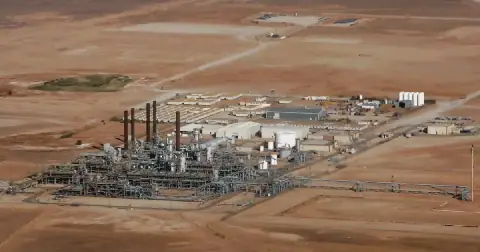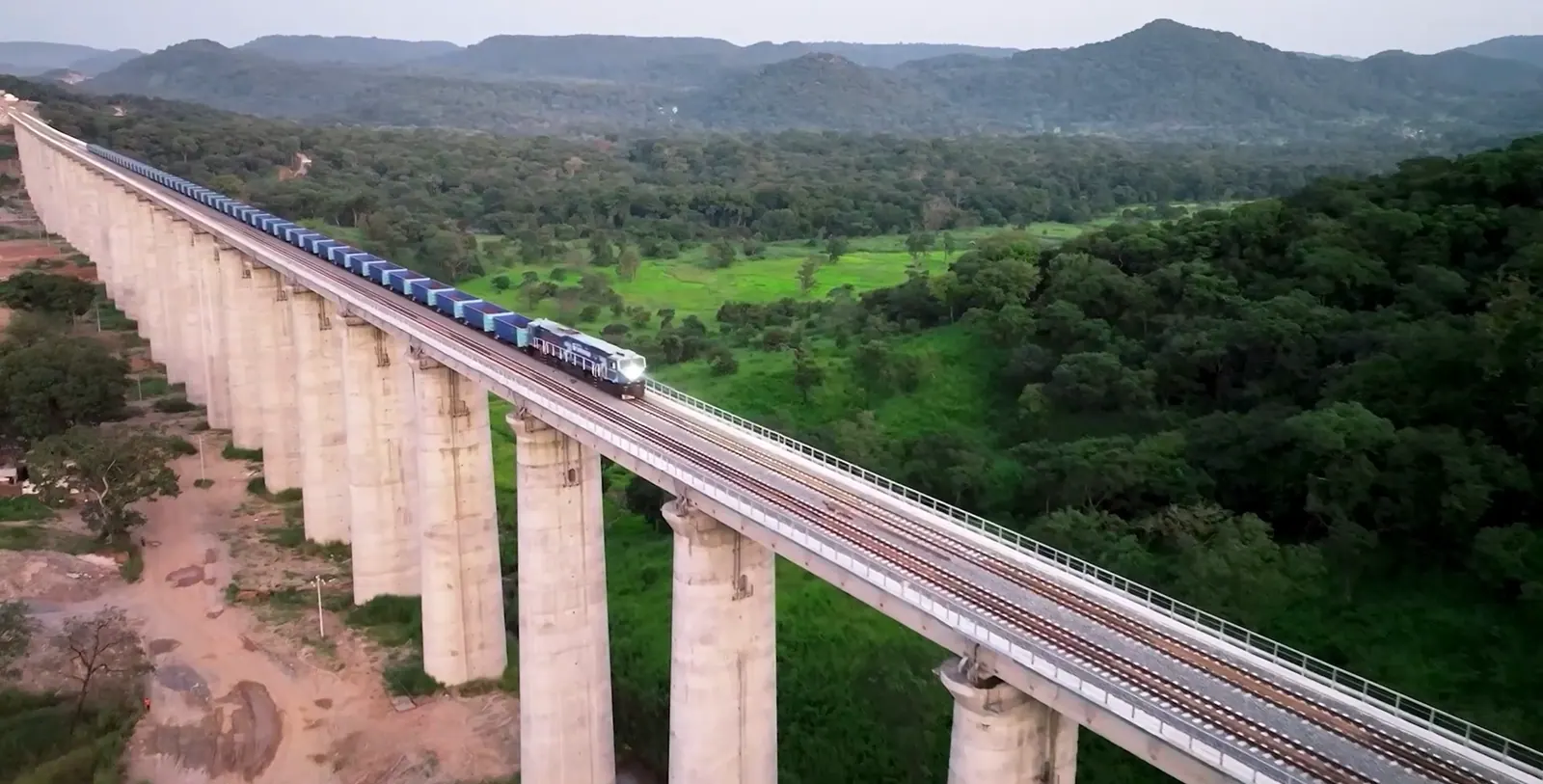
The Guinean economy recorded a 7.3% growth in 2025, primarily driven by a strong expansion in the mining sector, particularly in bauxite production, as well as a rebound in services and agricultural growth. This growth has contributed to an improvement in the purchasing power of households and a decline in the national poverty rate. The report, titled "Beyond Mining: Transforming Natural Resource Wealth into Private Sector Growth and Jobs," highlights the country's potential for economic transformation.
The report's author, Marilyne Youbi, an economist with the World Bank, emphasizes that Guinea has a historic opportunity to accelerate its economic transformation, driven by mining investments and the gradual production of Simandou. However, additional reforms are necessary to strengthen the private sector, stimulate employment, and diversify the economy. The report notes that the growth driven by mining will not automatically translate into widespread improvements in well-being, given the limited formal employment and prevalence of low-productivity activities.
The medium-term prospects for Guinea's economy are favorable, with growth expected to reach 8.8% in 2026, 11.6% in 2027, and 10.7% in 2028, making it one of the fastest-growing economies globally. The report stresses the need to strengthen the non-mining private sector, improve access to financing for small and medium-sized enterprises, develop workforce skills, and promote stronger links between mining and the rest of the economy through effective local content policies.
The report highlights that the agricultural sector, which accounts for approximately 32% of GDP and over 60% of employment, offers significant potential for job creation, poverty reduction, and economic diversification. Recommendations include investing in infrastructure and post-harvest logistics, strengthening agricultural and agri-food value chains, and leveraging the Simandou corridor to improve producers' access to national and international markets.
The report also notes that Guinea's budgetary performance remains under pressure, despite progress in revenue mobilization. In 2025, total revenue reached 18.2% of GDP, the highest level in over 20 years, while public expenditures increased significantly due to investments and electoral spending. The budget deficit stood at 8.9% of GDP. The World Bank's resident representative in Guinea, Issa Mare Diaw, emphasizes that the country's success will be measured by its ability to capitalize on this opportunity to strengthen institutions, develop infrastructure, and invest in human capital.
The report calls for accelerating reforms to enhance the competitiveness of the private sector, improve public financial management, develop agricultural value chains, increase investments in skills and human capital, and ensure that growth benefits are shared by the entire population. The report's findings and recommendations aim to support Guinea's efforts to transform its economy and improve the well-being of its citizens.
The World Bank's report is available for download, providing detailed analysis and recommendations for Guinea's economic development. The report's release coincides with Guinea's efforts to maximize the benefits of its natural resources and accelerate economic growth. Key stakeholders, including policymakers, private sector actors, and civil society organizations, are expected to engage with the report's findings and recommendations to support Guinea's economic transformation.
Key points
- Guinea's economy grew 7.3% in 2025, driven by mining and agriculture.
- The country is expected to be one of the fastest-growing economies globally, with growth projected to reach 8.8% in 2026.
- Reforms are necessary to strengthen the private sector, stimulate employment, and diversify the economy.