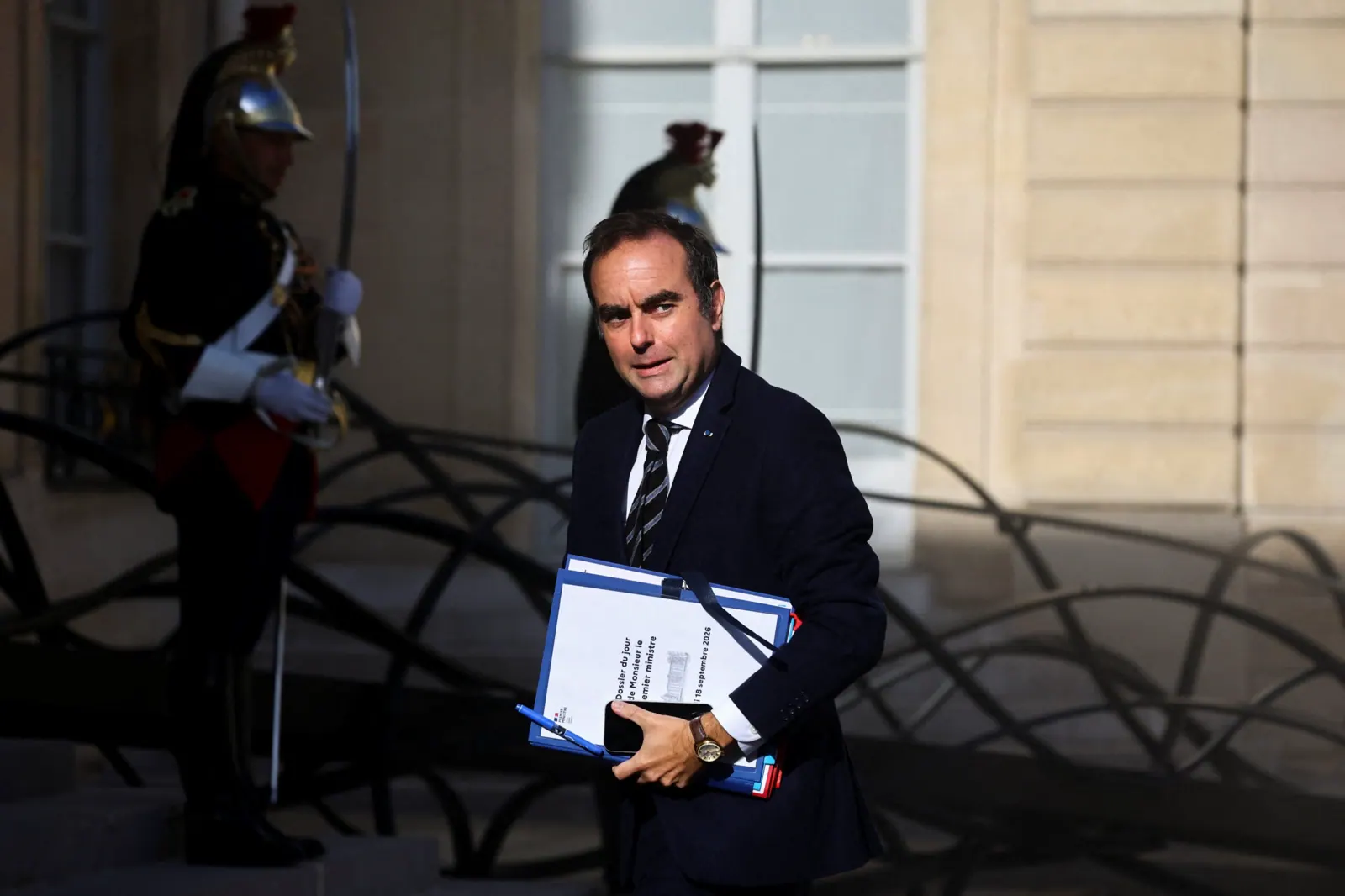
The French government is bracing for renewed protests as student demonstrations enter their third week. Several unions and student groups have called for a new wave of protests on Tuesday, with a larger mobilization planned for October 17. The protests are against the rising cost of living, fuel prices, and deteriorating working and social conditions. This has raised concerns about a repeat of the 2018 "Yellow Vest" protests.
The government is struggling to pass its 2027 budget, which includes austerity measures. The finance committee of the National Assembly rejected the revenue section of the budget bill on Friday, voting against the government's proposals. This move could increase the expected budget deficit to 5.35-5.4% of GDP, exceeding the government's target of 5%. The budget discussions are set to begin in the Assembly on Tuesday, amid ongoing protests.
The government's minority status in the Assembly makes it vulnerable to opposition threats. Prime Minister Sebastian Lecornu's government lacks a clear majority, which has been a challenge since President Emmanuel Macron dissolved the parliament in summer 2024. The opposition has been vocal about its disapproval of the austerity measures, and some parties have threatened to withdraw support.
President Macron's popularity has plummeted to its lowest level since 2017, according to recent polls. A survey by Ipsos found that 82% of French citizens are dissatisfied with Macron's leadership, citing concerns about purchasing power, rising prices, and protests. The police handling of student protests has also sparked controversy, with reports of excessive force used against demonstrators.
The student protests have garnered support from various political parties, including those on the left. This has increased pressure on the government to address the protesters' demands. The opposition has been critical of the government's handling of the crisis, with some parties calling for a more conciliatory approach.
The French government is walking a tightrope as it tries to balance the need for austerity measures with the risk of further protests and opposition from various groups. The upcoming budget discussions and planned protests will be crucial in determining the government's ability to navigate this complex situation.
The ongoing crisis has significant implications for France's economic and social stability. The government's ability to find a solution that addresses the concerns of various stakeholders will be crucial in determining the country's future trajectory. The situation remains uncertain, with many watching to see how the government will respond to the mounting pressure.
Key points
- French government faces dual crisis of public anger and austerity measures
- President Macron's popularity has plummeted to its lowest level since 2017
- Student protests have garnered support from various political parties, increasing pressure on the government